


Introduction
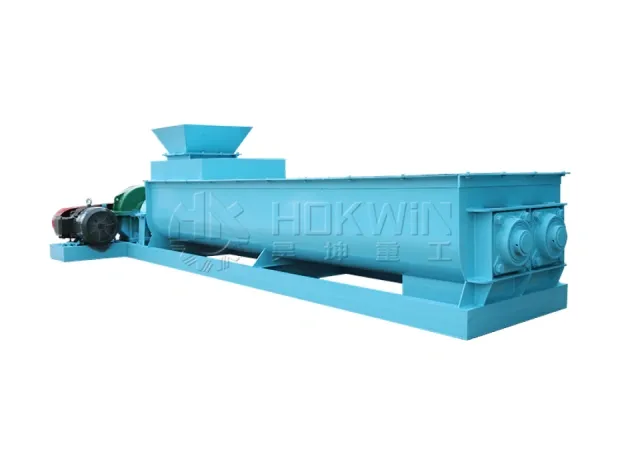
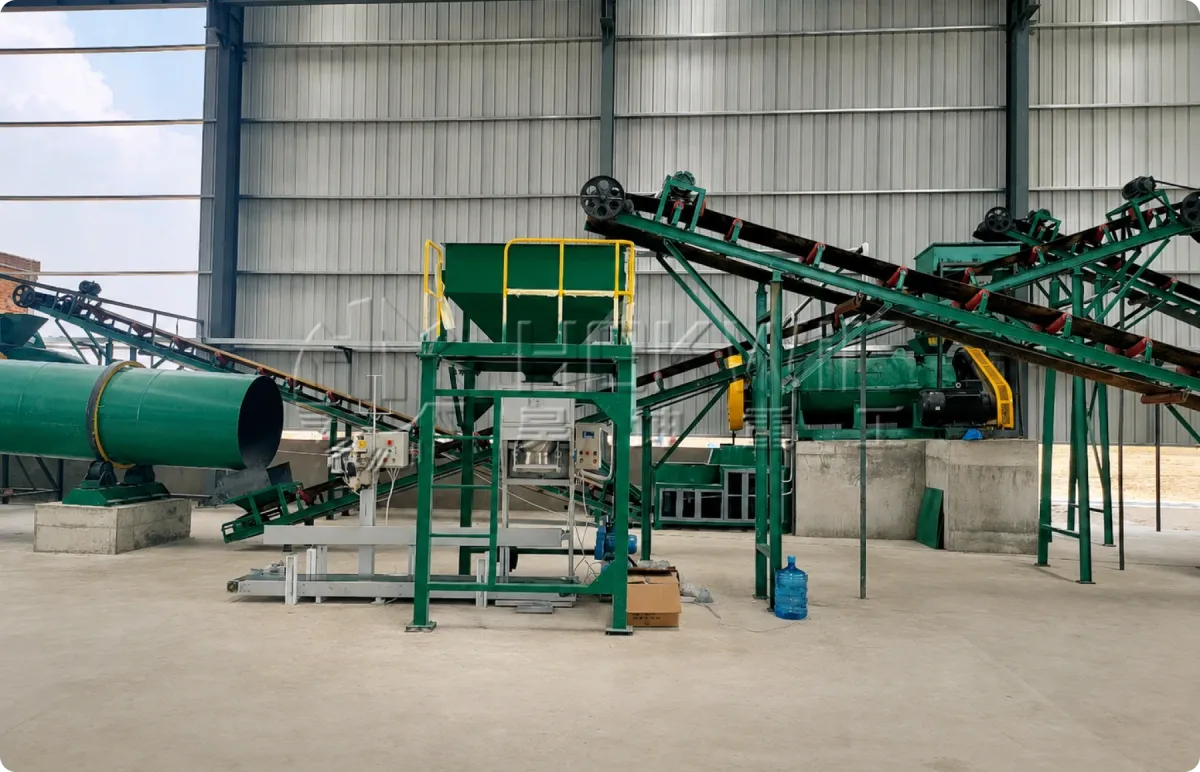
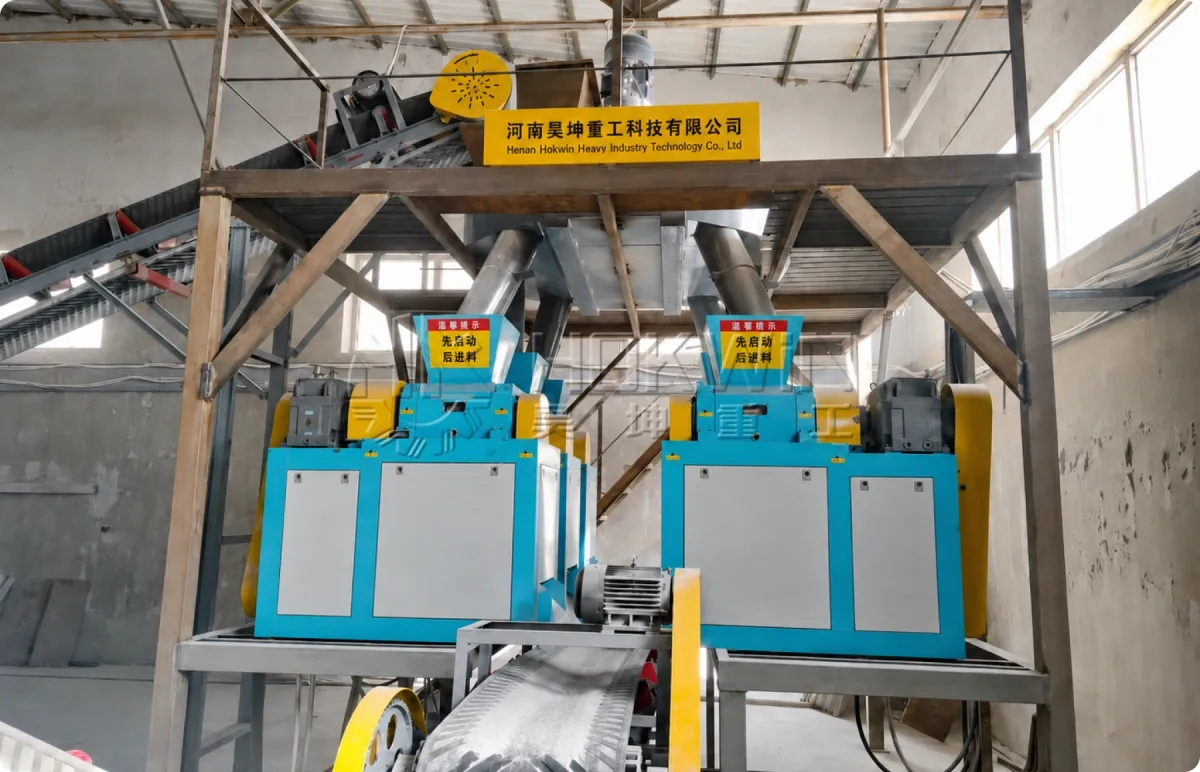
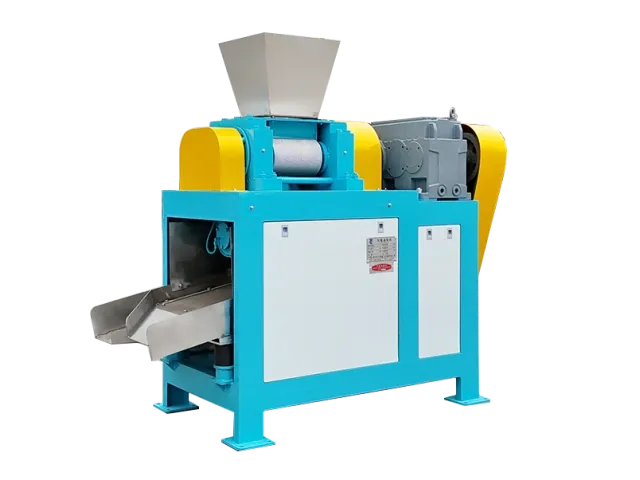
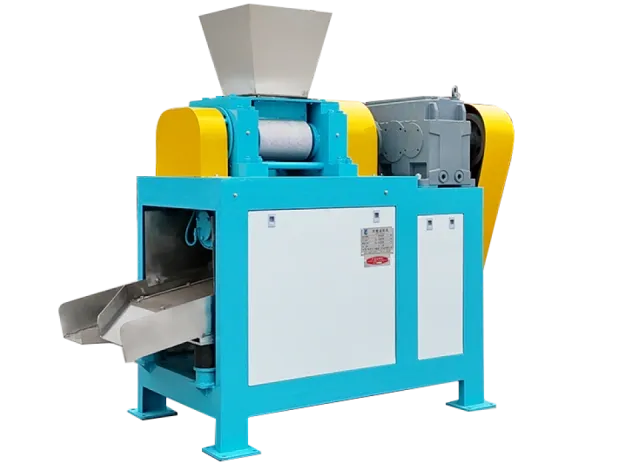
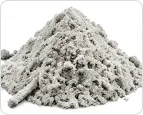
Double Roller Extrusion Granulator is designed for dry granulation of fertilizer powders. It uses high-pressure rollers to compress powder materials into granules without drying, making it suitable for NPK, compound fertilizer and other powder materials.
Suitable Materials
- NPK Fertilizer Powder
- MAP
- Compound Fertilizer Powder
- Potassium Chloride
- Urea
- Potassium Sulfate
- Ammonium Sulfate
- Magnesium Sulfate
- Ammonium Chloride
- Zinc Sulfate
- DAP
- Micronutrient Fertilizer Powder
- Humic Acid
- Soil Conditioner Powder
- Fulvic Acid Powder
- Silicon Fertilizer Powder
- Bio-Organic Fertilizer Powder
- Calcium Magnesium Fertilizer
- Organic-Inorganic Fertilizer Powder
- Other Specialty Fertilizer Powders
- Amino Acid Fertilizer Powder
- Seaweed Fertilizer Powder
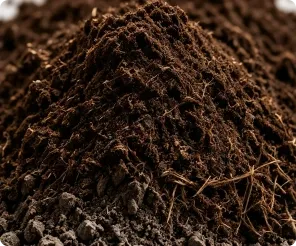
- Bentonite
- Calcium Carbonate
- Dolomite Powder
- Phosphate Rock Powder
- Limestone Powder
- Magnesite Powder
- Gypsum Powder
- Clay Powder
- Kaolin
- Other Mineral Powders
- Zeolite Powder
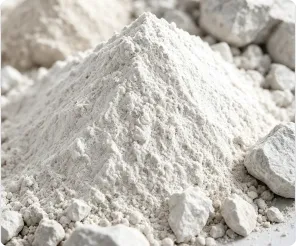
- Sodium Sulfate
- Inorganic Chemical Powder
- Sodium Chloride
- Chemical Additive Powder
- Potassium Carbonate
- Catalyst Carrier Powder
- Calcium Chloride Powder
- Other Chemical Powders
- Magnesium Chloride Powder
- Industrial Salt Powder
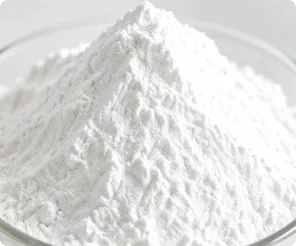
- Fly Ash
- Mineral Concentrate Powder
- Desulfurization Gypsum
- Industrial Dust Powder
- Carbon Powder
- Mineral Residue Powder
- Graphite Powder
- Recycled Powder Materials
- Ceramic Powder
- Other Compressible Powder Materials
- Refractory Powder
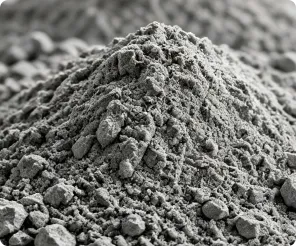
Material suitability depends on moisture content, particle size, formulation and compressibility. Trial testing is recommended for special materials.
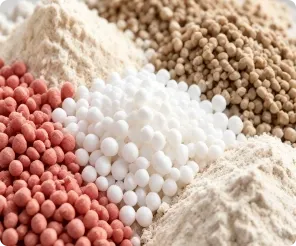
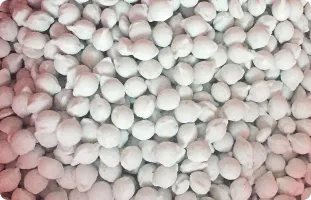
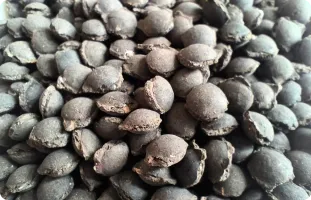
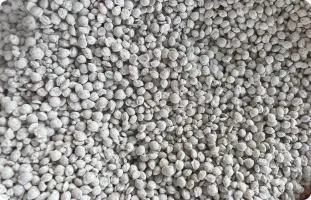
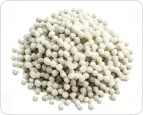
Finished Granules
Granule Shape and Size Can Be Customized
Working Principle
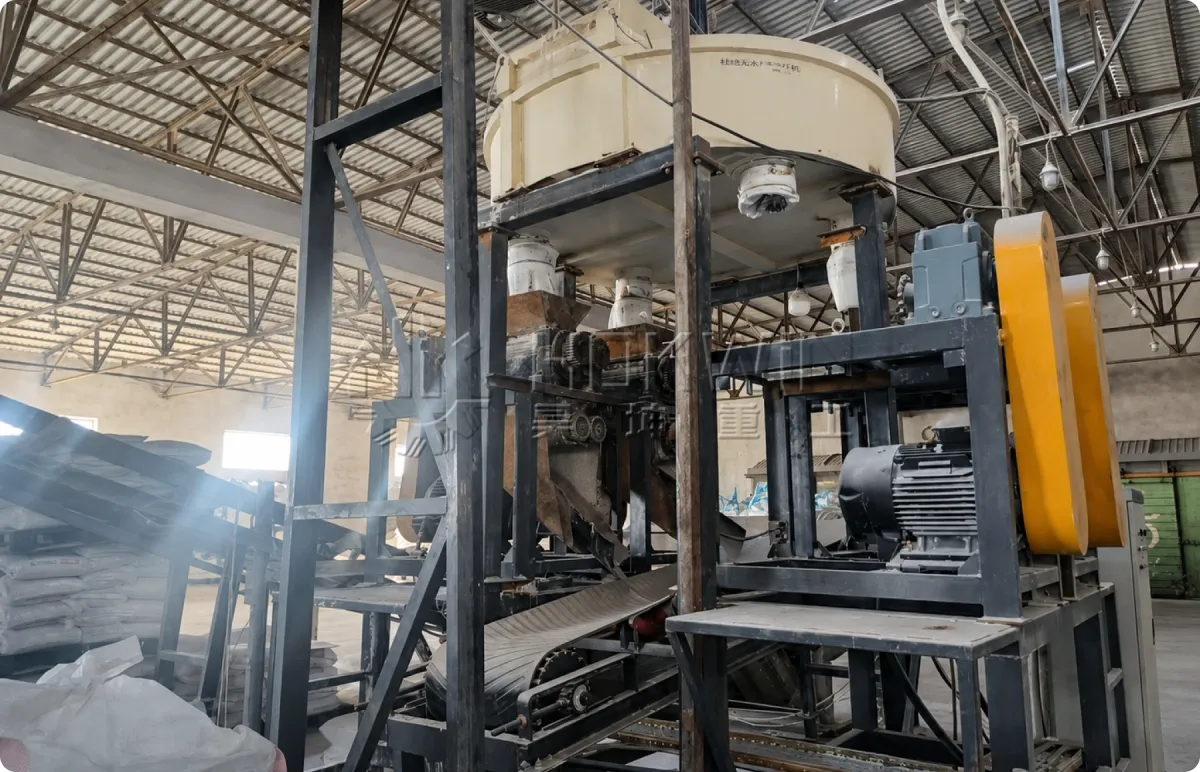
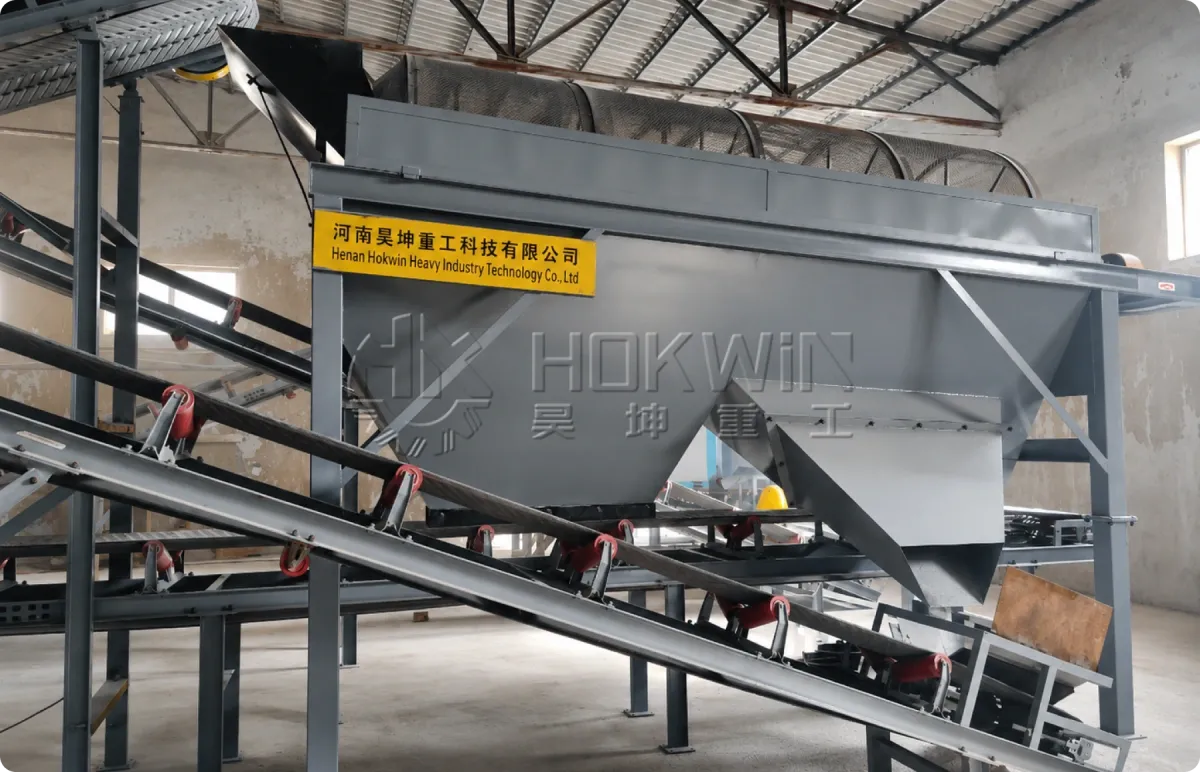
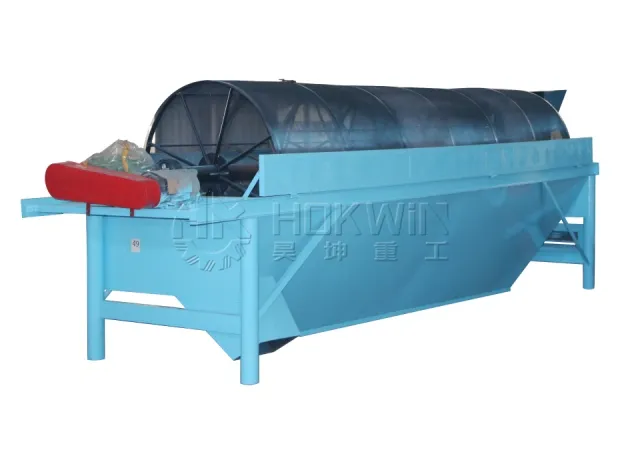
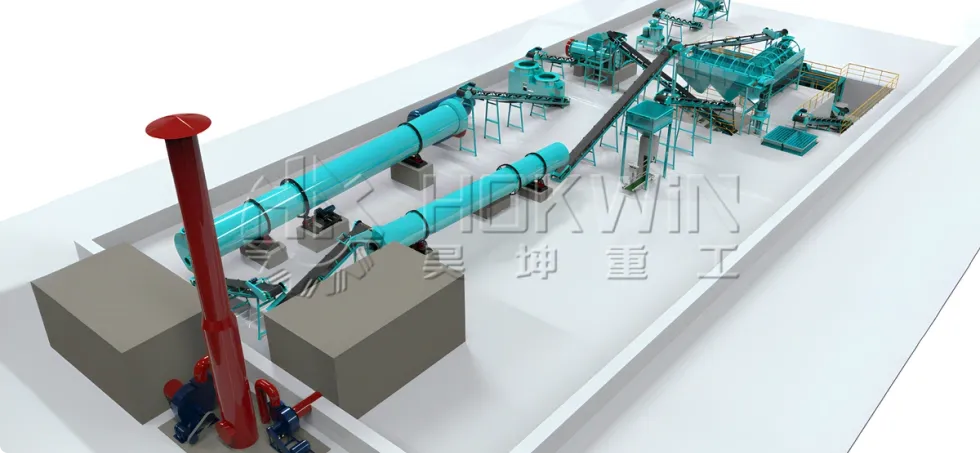
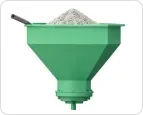
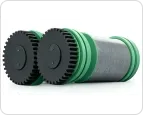
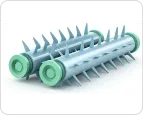
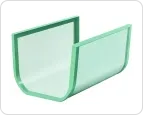
Powder materials are fed into the machine and compressed between two counter-rotating high-pressure rollers. The compacted material is then crushed, shaped and screened into uniform granules. Oversized or undersized particles can be recycled for re-granulation. The entire process uses dry granulation without drying or large amounts of water.
Working Principle
| Model | Capacity (t/h) | Power (kw) | Roller Size(mm) | Raw Material Size (mm) | Finished Granules Size (mm) | Raw Material Moisture |
| DZJ-I-1.0 | 1-1.5 | 15 | Φ150X220 | ≤0.5 | Φ2.5-Φ10 | 2%-5% |
| DZJ-I-2.0 | 1.5-2.5 | 18.5 | Φ150X300 | ≤0.5 | Φ2.5-Φ10 | 2%-5% |
| DZJ-I-3.0 | 2.5-3.5 | 22 | Φ186X300 | ≤0.5 | Φ2.5-Φ10 | 2%-5% |
| DZJ-I-4.0 | 3.5-4.5 | 45 | Φ300X200 | ≤0.5 | Φ2.5-Φ10 | 2%-5% |
| DZJ-II-1.0 | 1-2 | 15 | Φ150X220 | ≤0.5 | Φ2.5-Φ10 | 2%-5% |
Notes: Parameters For Reference Only. All Products Can Be Customized According To Your Raw Materials, Output And Other Conditions.
Advantages
FAQ
No. It uses a dry granulation process, so no drying machine is required in most applications. This helps reduce energy consumption and simplify the production process.
No. It uses a dry granulation process, so no drying machine is required in most applications. This helps reduce energy consumption and simplify the production process.
No. It uses a dry granulation process, so no drying machine is required in most applications. This helps reduce energy consumption and simplify the production process.
No. It uses a dry granulation process, so no drying machine is required in most applications. This helps reduce energy consumption and simplify the production process.
No. It uses a dry granulation process, so no drying machine is required in most applications. This helps reduce energy consumption and simplify the production process.
No. It uses a dry granulation process, so no drying machine is required in most applications. This helps reduce energy consumption and simplify the production process.
No. It uses a dry granulation process, so no drying machine is required in most applications. This helps reduce energy consumption and simplify the production process.
No. It uses a dry granulation process, so no drying machine is required in most applications. This helps reduce energy consumption and simplify the production process.
No. It uses a dry granulation process, so no drying machine is required in most applications. This helps reduce energy consumption and simplify the production process.
No. It uses a dry granulation process, so no drying machine is required in most applications. This helps reduce energy consumption and simplify the production process.