

As the demand for organic fertilizer, compound fertilizer and customized fertilizer products continues to grow, choosing the right fertilizer production equipment has become increasingly important for fertilizer manufacturers.
Different raw materials, production capacities and final fertilizer requirements require different processing solutions. A properly designed fertilizer production line can help improve production efficiency, reduce energy consumption and ensure more stable product quality.
Choose Equipment According to Raw Materials
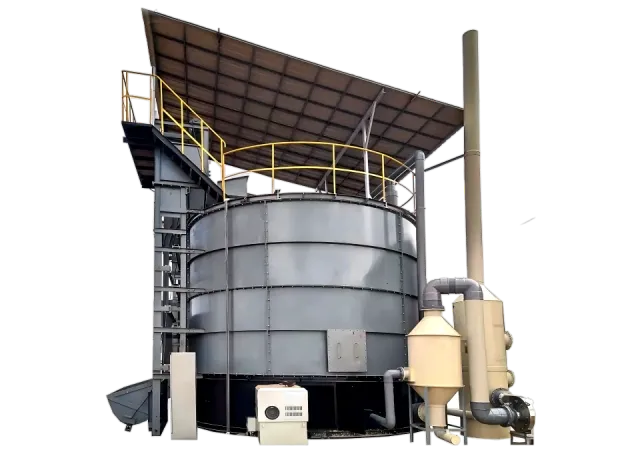
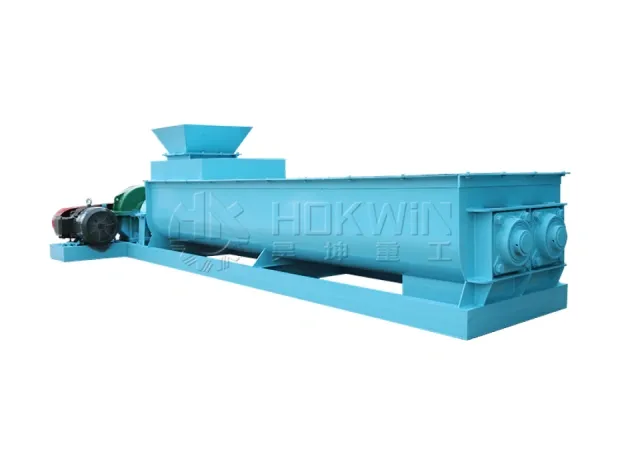
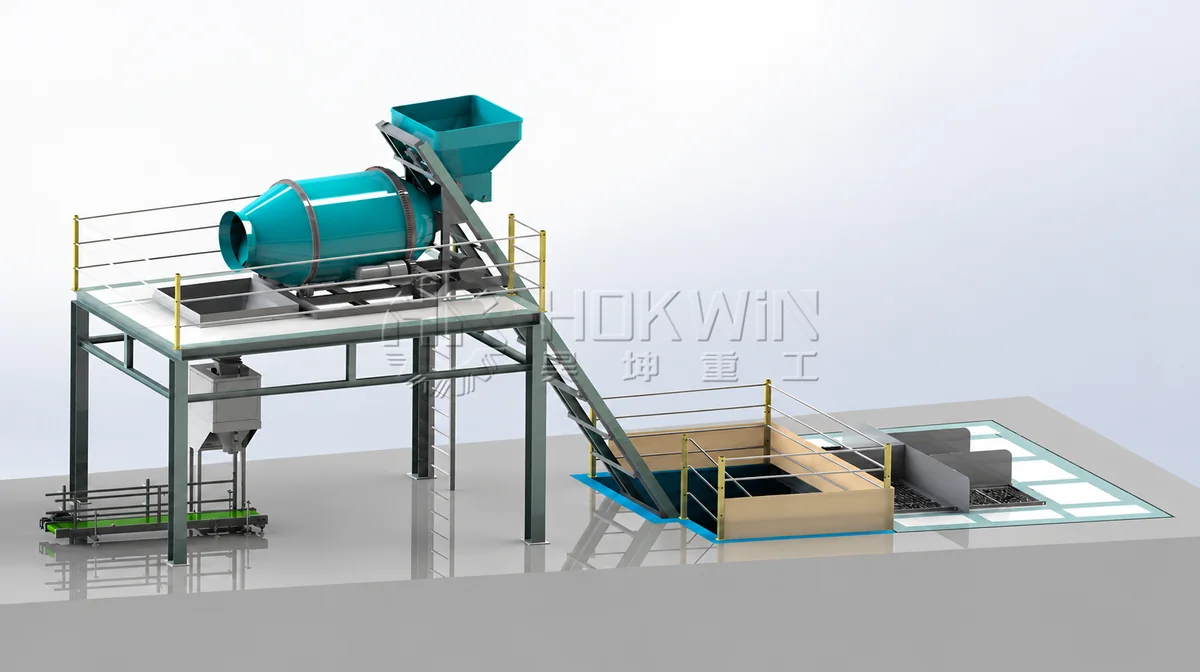
The first step in selecting fertilizer equipment is to understand the characteristics of the raw materials. For organic materials such as chicken manure, cow manure, pig manure and agricultural waste, the production process usually includes composting, crushing, mixing, granulation, screening and packaging.
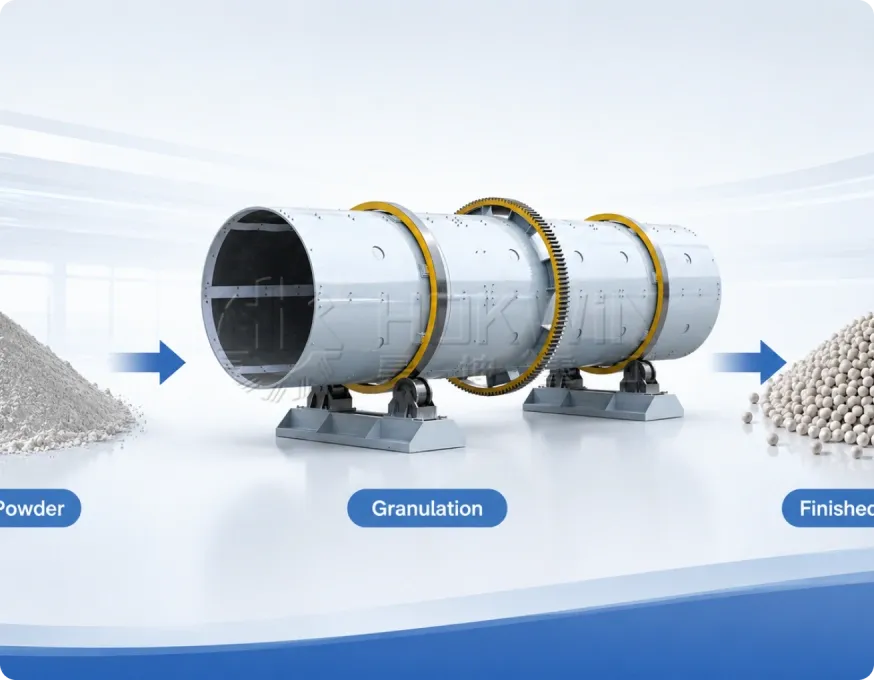
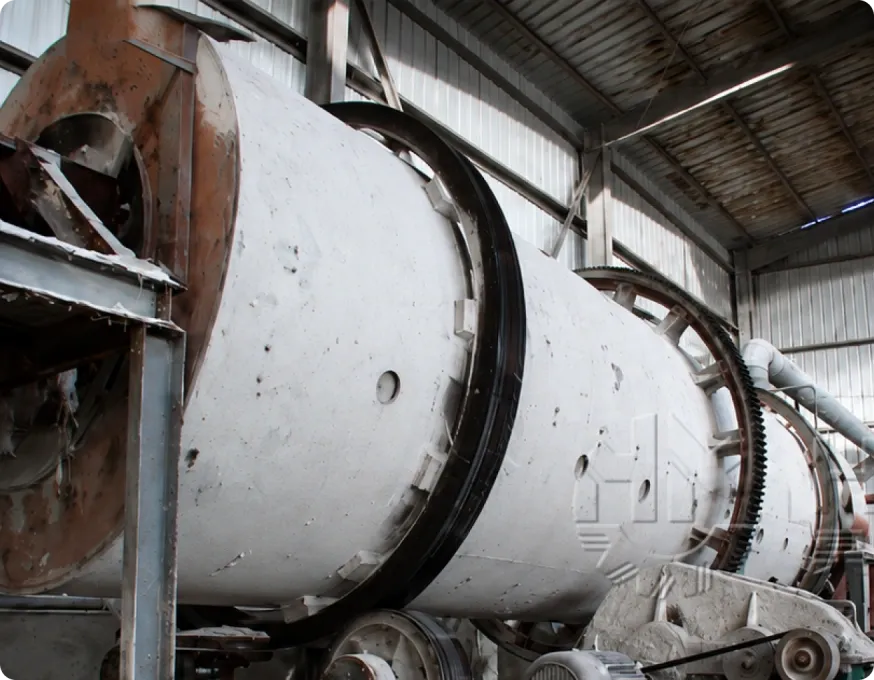
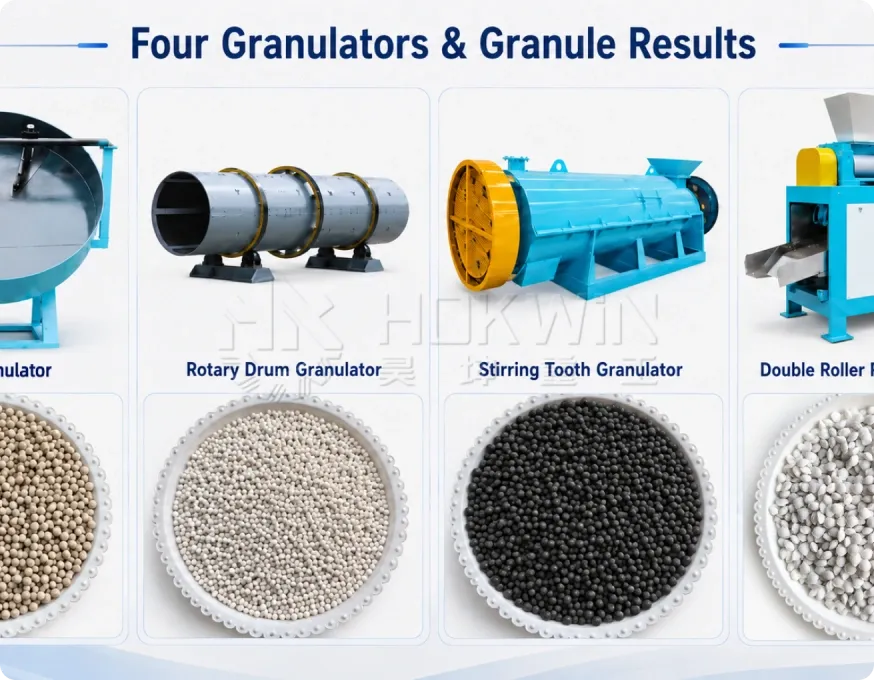
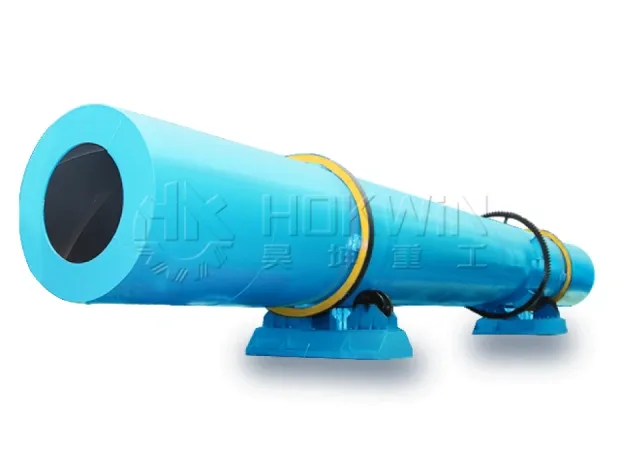
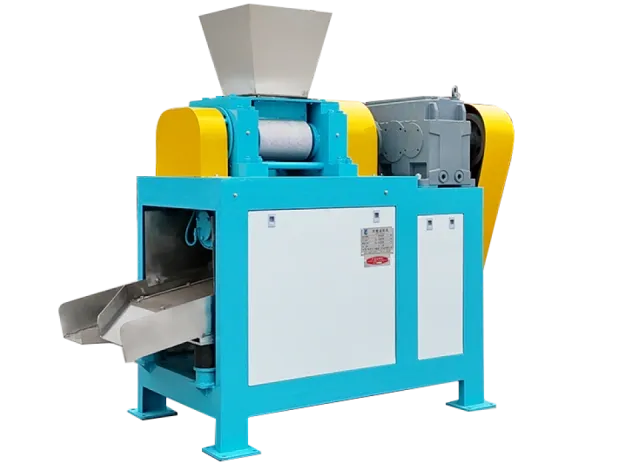
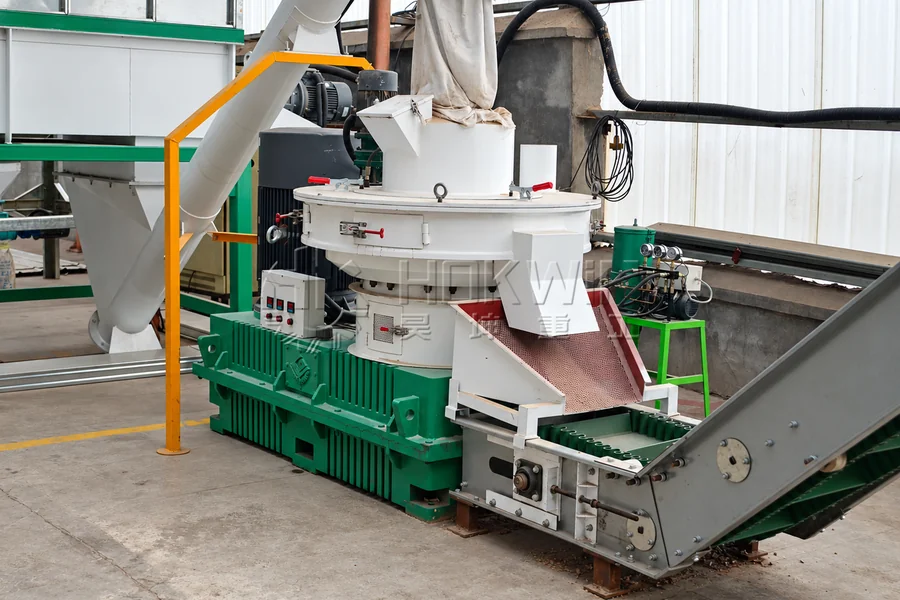
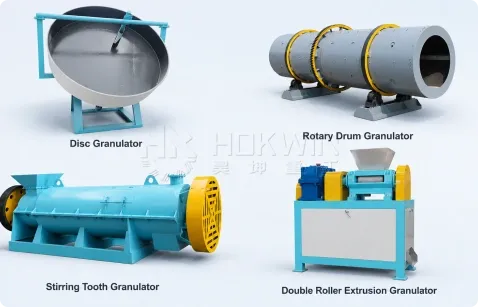
For NPK and compound fertilizer materials, different granulation technologies can be selected according to the fertilizer formula and production requirements.Common fertilizer granulation equipment includes:
- No Drying Process
- Lower Energy Consumption
- Continuous Production
- Stable Granulation
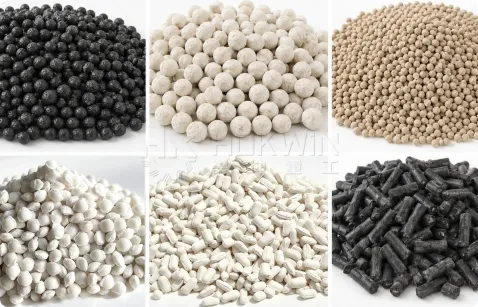
- Customizable Granule Size
Each type of granulator is suitable for different materials and production conditions.
Production Capacity Is an Important Factor
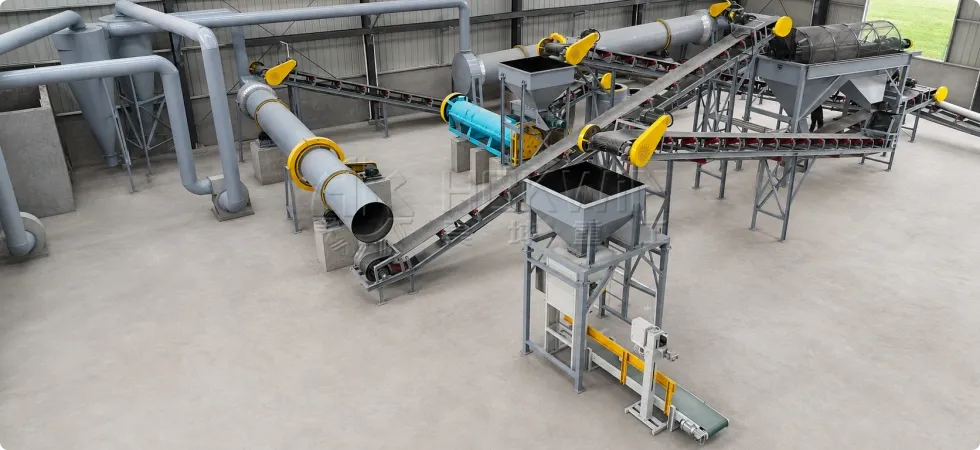
Fertilizer production lines can be designed for different capacities, from small-scale production to large commercial fertilizer plants. Before selecting equipment, customers should determine the expected hourly or daily production capacity.
For example, a 1–3 T/H production line may be suitable for small fertilizer plants, while 5–10 T/H or larger systems are more suitable for commercial-scale fertilizer production.
The equipment size, motor power, conveying system and supporting machines should all be matched according to the required capacity.
Select the Right Granulation Process
Fertilizer production lines can be designed for different capacities, from small-scale production to large commercial fertilizer plants. Before selecting equipment, customers should determine the expected hourly or daily production capacity.
For example, a 1–3 T/H production line may be suitable for small fertilizer plants, while 5–10 T/H or larger systems are more suitable for commercial-scale fertilizer production.
The equipment size, motor power, conveying system and supporting machines should all be matched according to the required capacity.
Consider the Complete Production Process
A fertilizer production line is not only about the granulator.
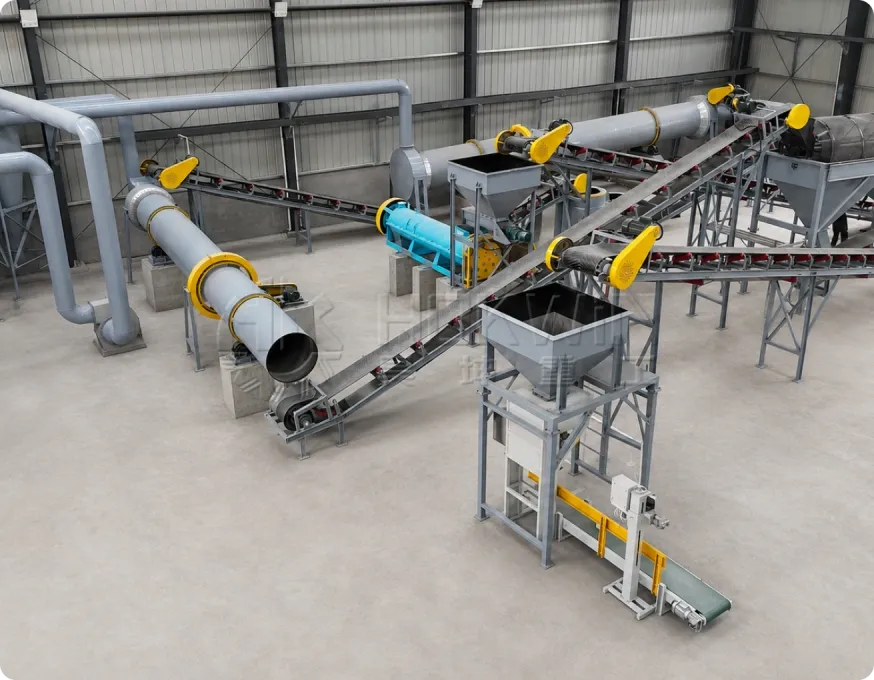
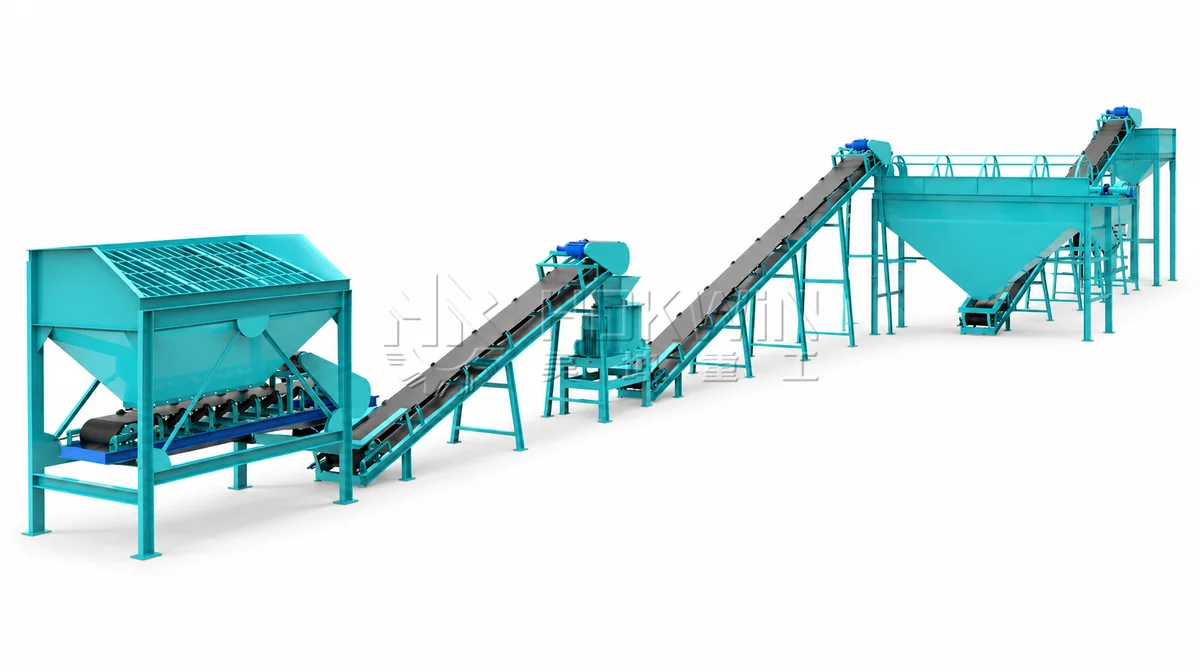
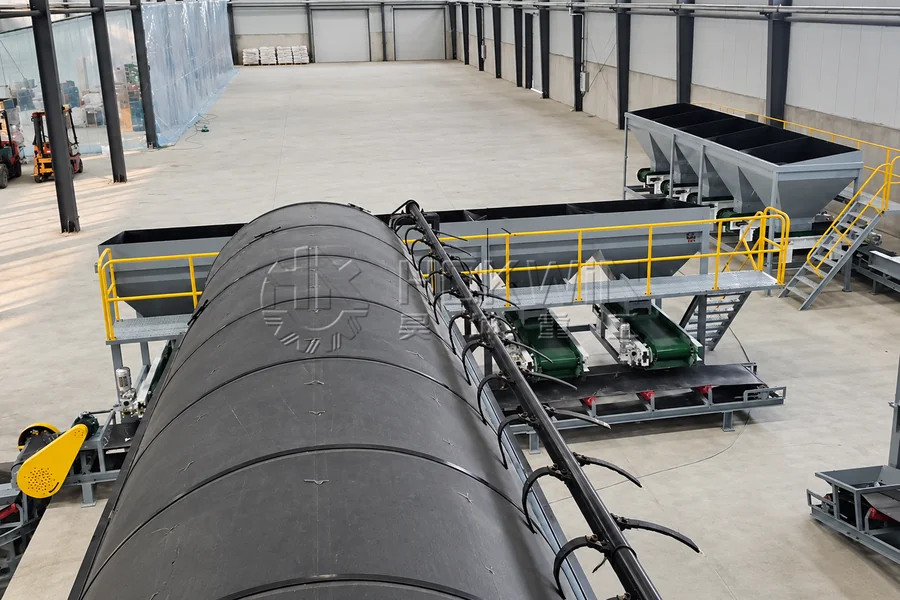
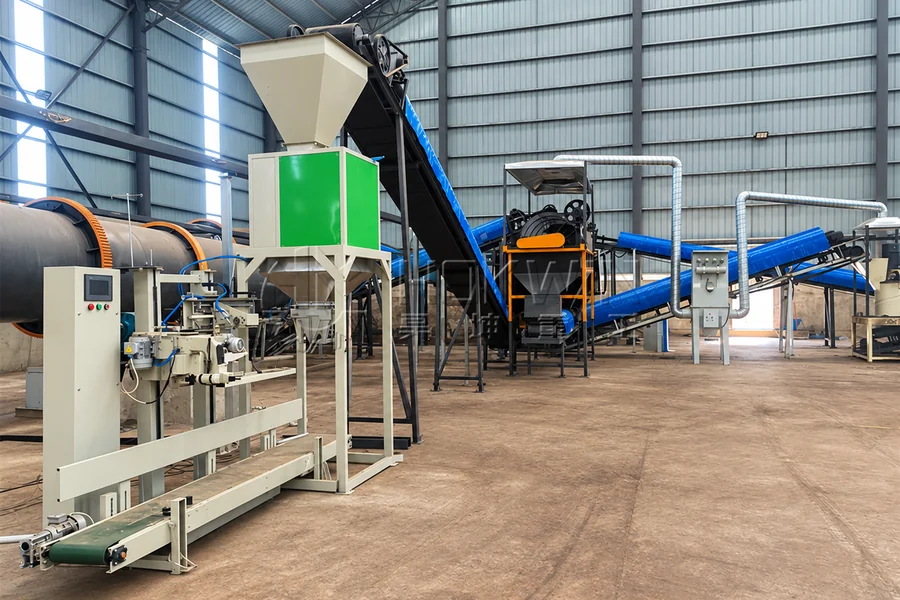
A complete solution may include:
For some projects, composting equipment, drying equipment, cooling equipment or coating machines may also be required.The complete process should be designed according to the raw material moisture, fertilizer formula, required granule size and final product specifications.
Customized Fertilizer Equipment Solutions
There is no single fertilizer production line suitable for every project.
A suitable solution should be designed according to the customer’s raw materials, plant layout, production capacity and final fertilizer requirements.
Professional equipment selection and process design can help fertilizer producers achieve more stable operation, higher production efficiency and better final product quality.
If you are planning an organic fertilizer, NPK fertilizer, compound fertilizer or bulk blending fertilizer project, choosing the correct equipment and production process is an important first step toward successful fertilizer production.