

Information
- Capacity: 1–20 T/H
- Voltage: 220v/380v/440v(50Hz/60Hz)/Customized
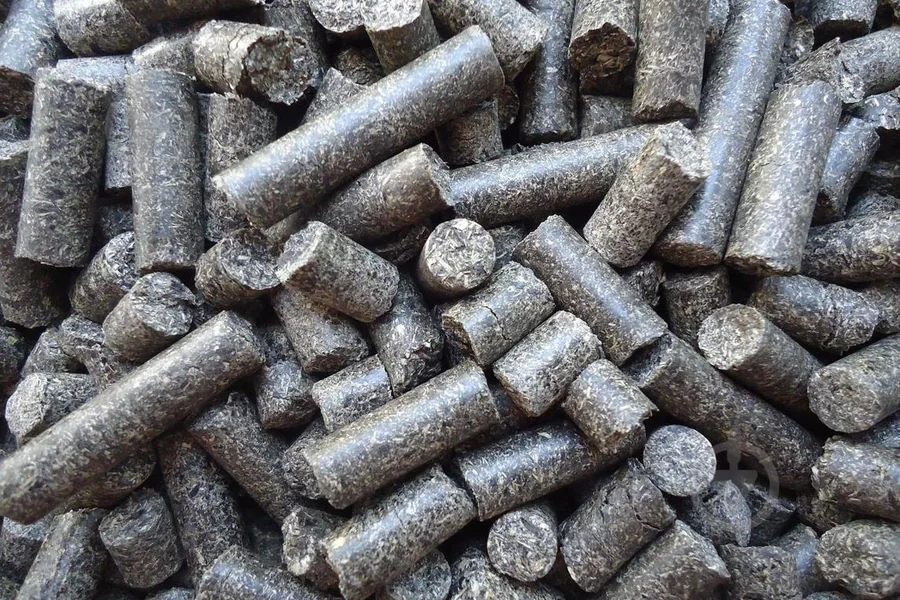
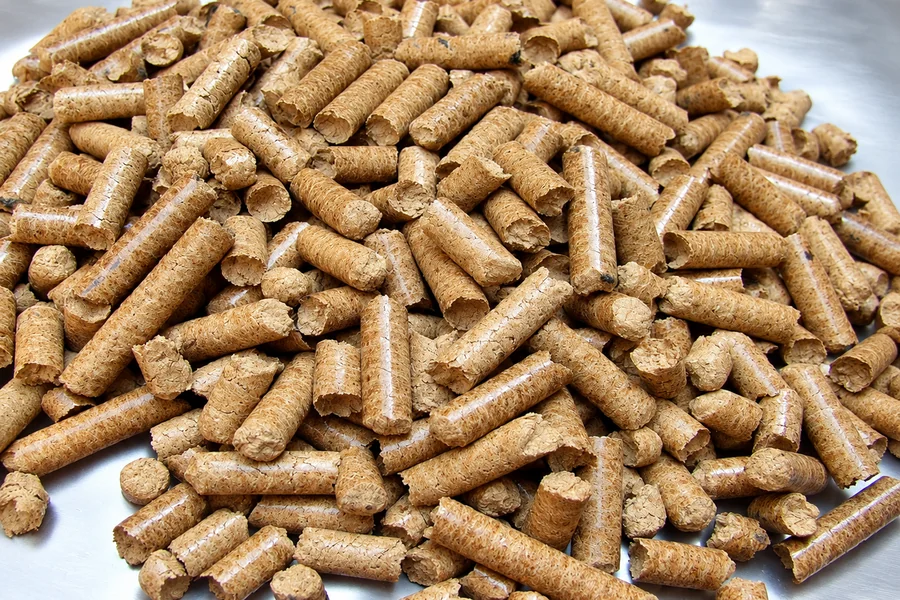
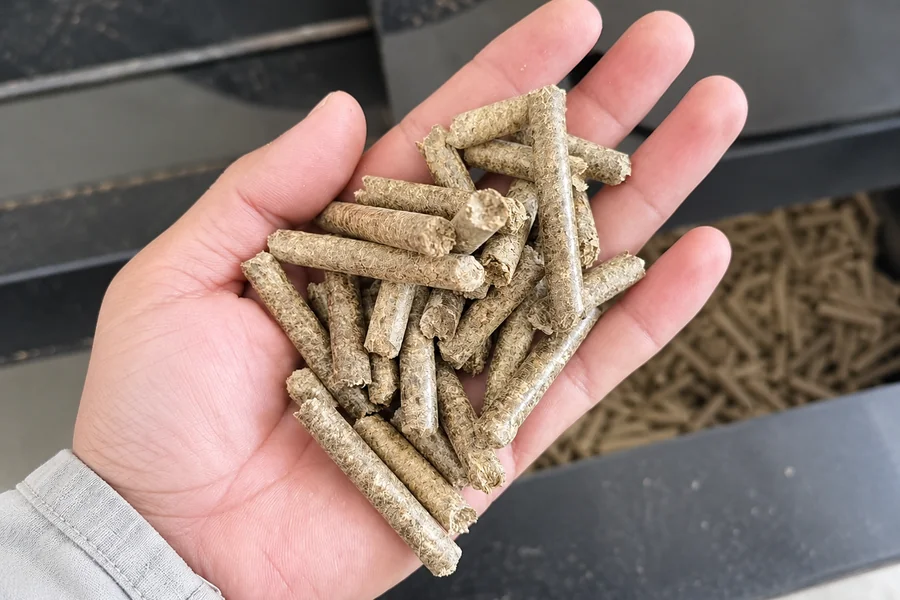
- Final Material: Cylindrical Pellets
- Pellet Diameter: 6-15mm / Customized
- Pellet Length: Adjustable
- Application: Wood Processing Industry / Agricultural Residue Processing / Biomass Fuel Manufacturing / Forestry & Wood Recycling, etc.
Introduction
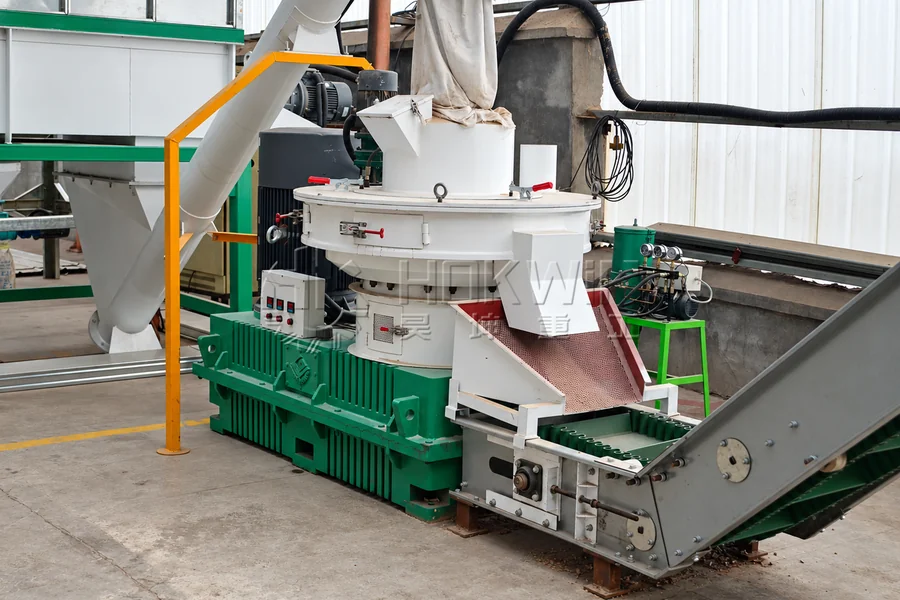
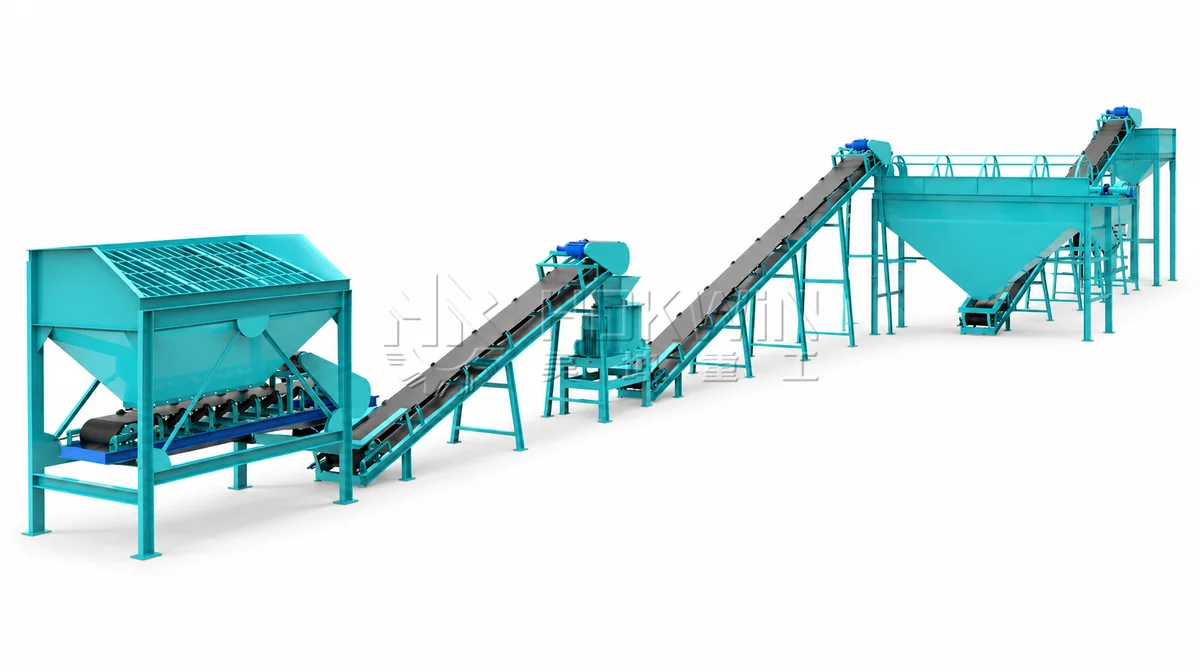
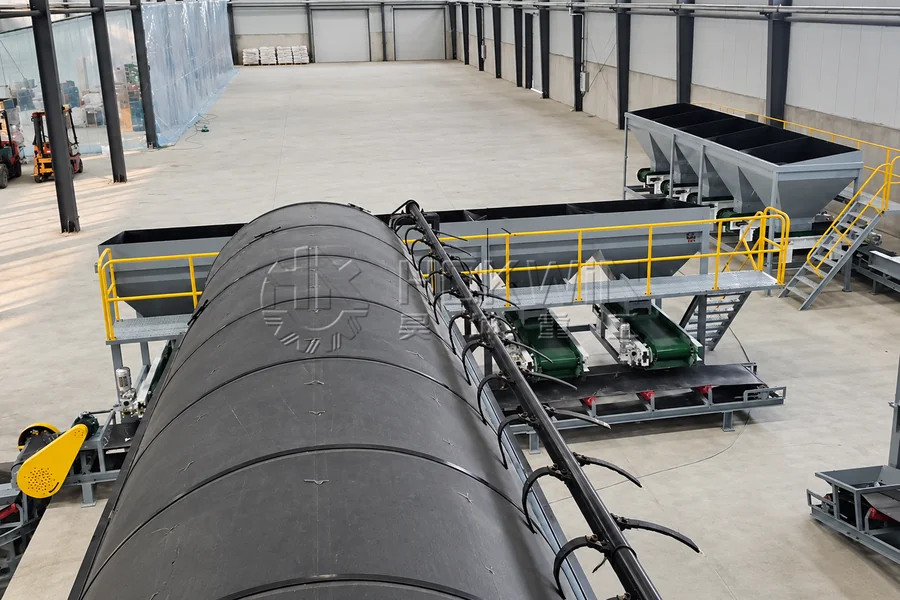
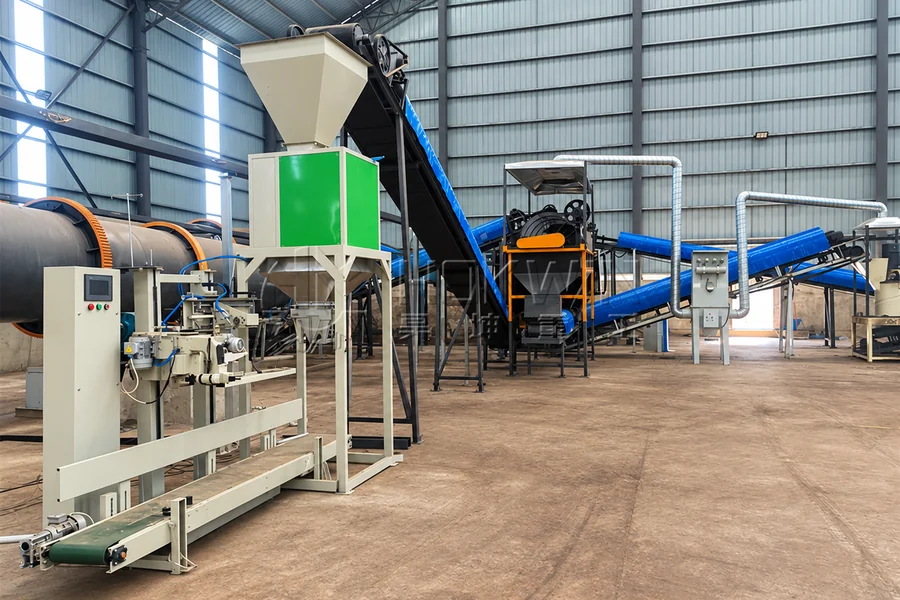
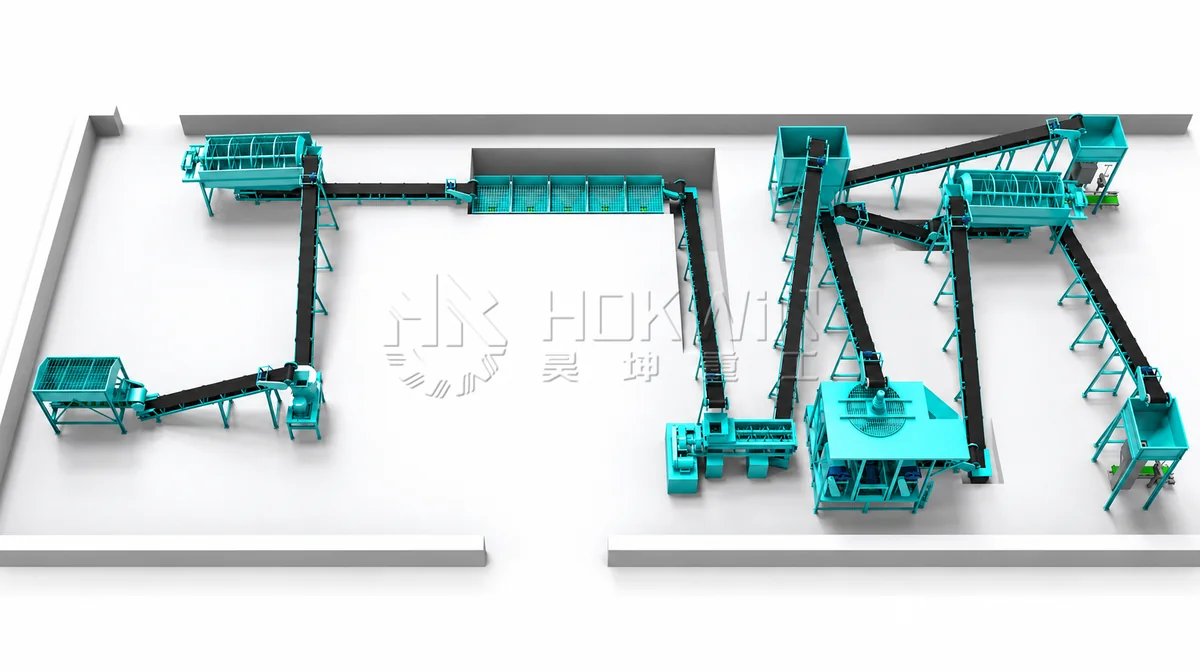
The biomass pellet production line is designed to convert forestry residues, agricultural waste, and other suitable biomass materials into cylindrical fuel pellets through crushing, drying, compression molding, cooling, and screening.
The complete production line can be customized according to raw material characteristics, moisture content, production capacity, and finished pellet requirements.
Advantages
Process various agricultural and forestry residues.
Produce compact cylindrical biomass fuel pellets.
Support continuous and efficient pellet production.
Design production lines based on capacity and plant layout.
Suitable Raw Materials
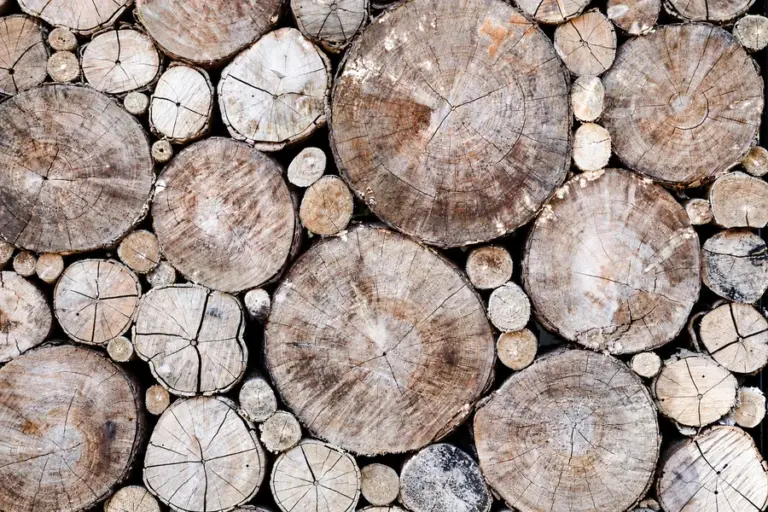
- Sawdust
- Wood Chips
- Wood Shavings
- Planer Shavings
- Clean Wood Offcuts
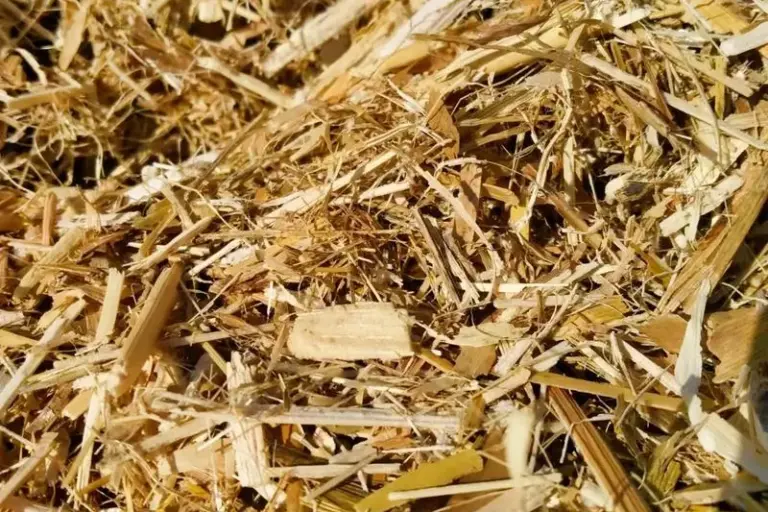
- Rice Straw
- Wheat Straw
- Corn Stalks
- Cotton Stalks
- Soybean Stalks
- Sorghum Stalks
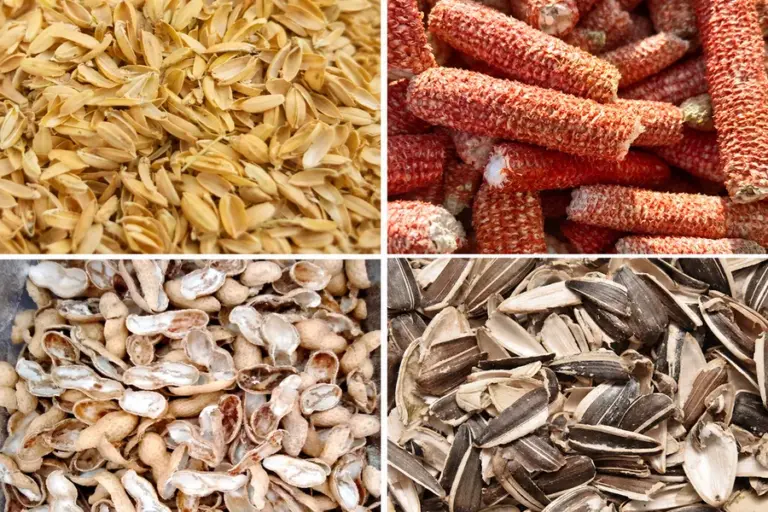
- Rice Husks
- Peanut Shells
- Corn Cobs
- Sunflower Seed Husks
- Coffee Husks
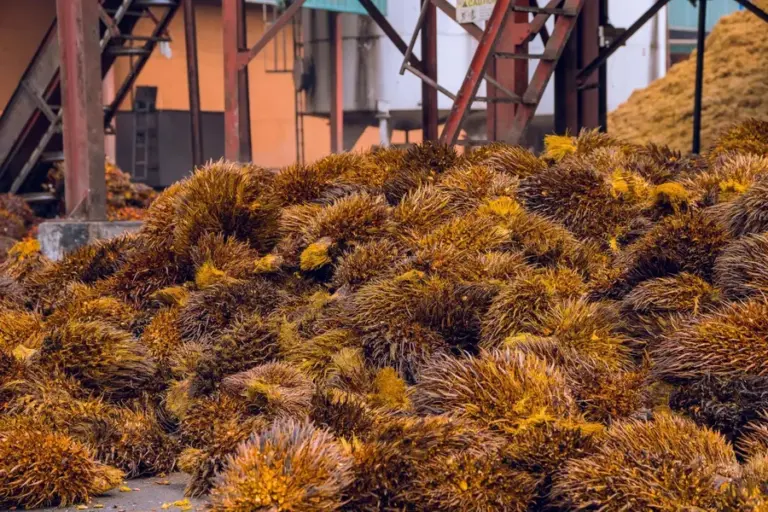
- Oil Palm Empty Fruit Bunches (EFB)
- Palm Fibers
- Palm Fronds
- Suitable Palm Kernel Shells
- Sugarcane Bagasse
- Suitable Sugarcane Leaves and Tops
- Beet Pulp
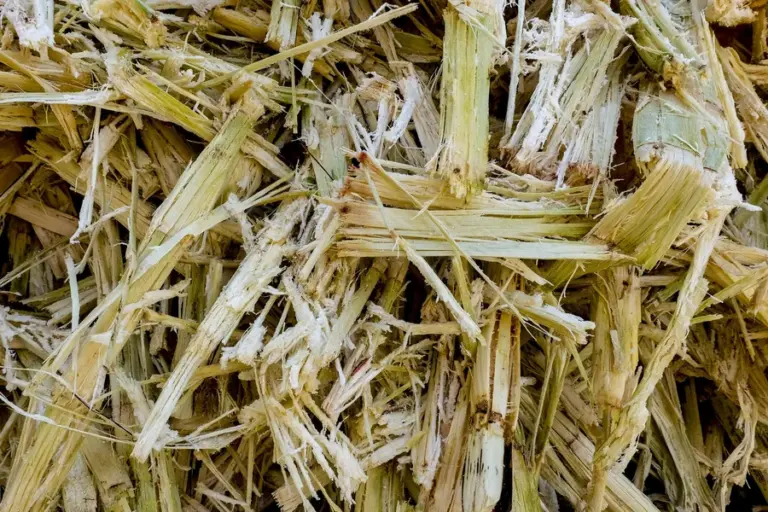
- Bamboo Residues
- Reed
- Miscanthus
- Other Suitable Plant-Based Fibrous Materials
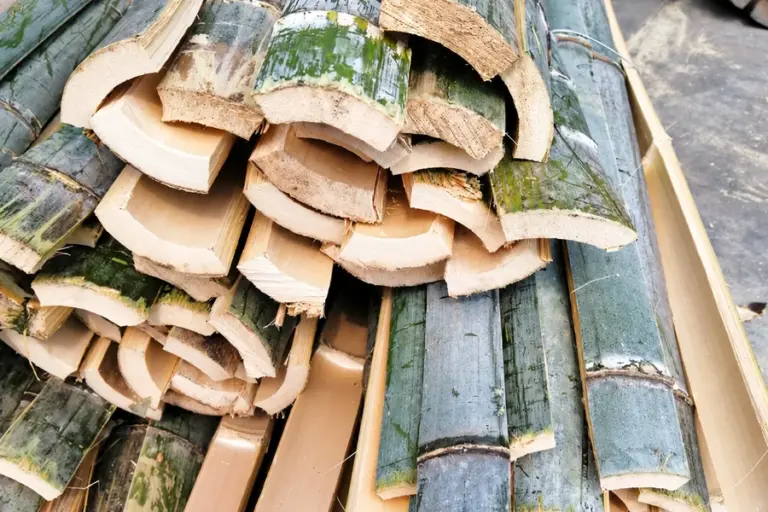
Note: Raw materials listed above are not exhaustive. Equipment configuration depends on material properties, moisture content, and pellet quality requirements. Contact us for a customized solution.
Finished Product Options
Production Process
Note: Dust collection equipment can be configured according to actual factory conditions and production requirements.
Main Equipment
Biomass Pellet Mill
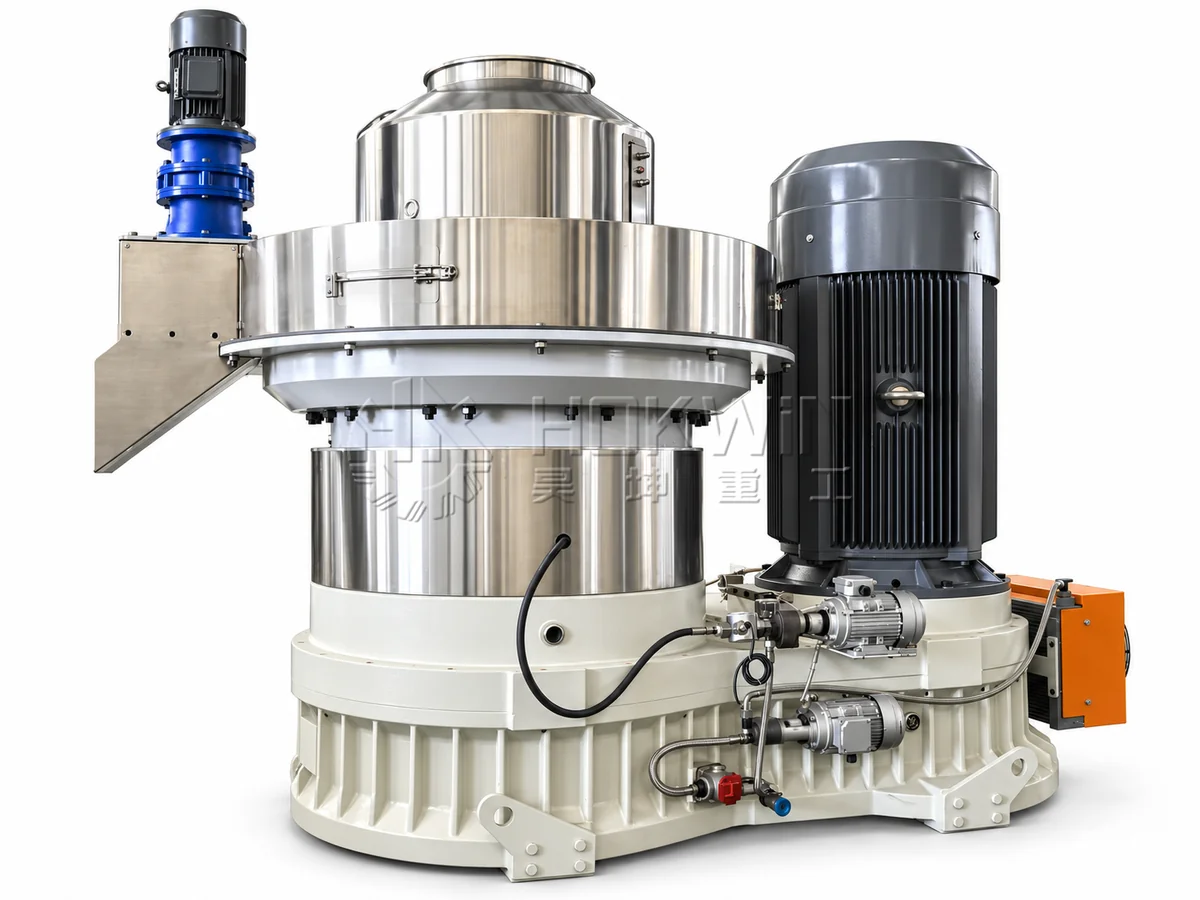
The biomass pellet mill is the core equipment of a biomass pellet production line. It compresses processed biomass materials, such as sawdust, wood chips, straw, and agricultural residues, into high-density cylindrical fuel pellets through high-pressure extrusion.
It is suitable for producing biomass fuel pellets for industrial boilers, heating systems, and renewable energy applications.
Key Features:
Produce compact and durable fuel pellets.
Support continuous biomass pellet production.
Process different biomass materials with suitable configurations.
Produce different pellet diameters using suitable dies.
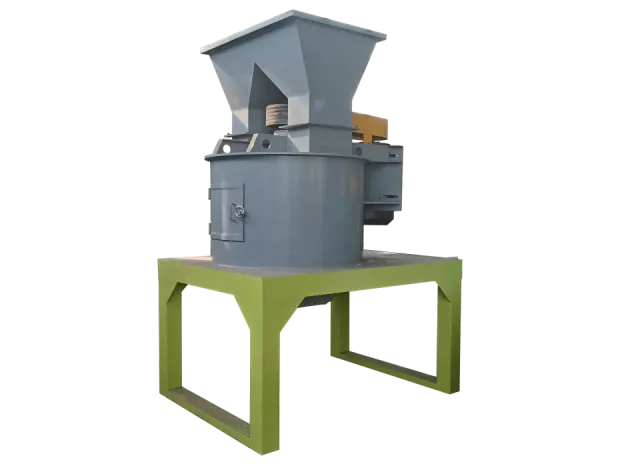
Wood Crusher
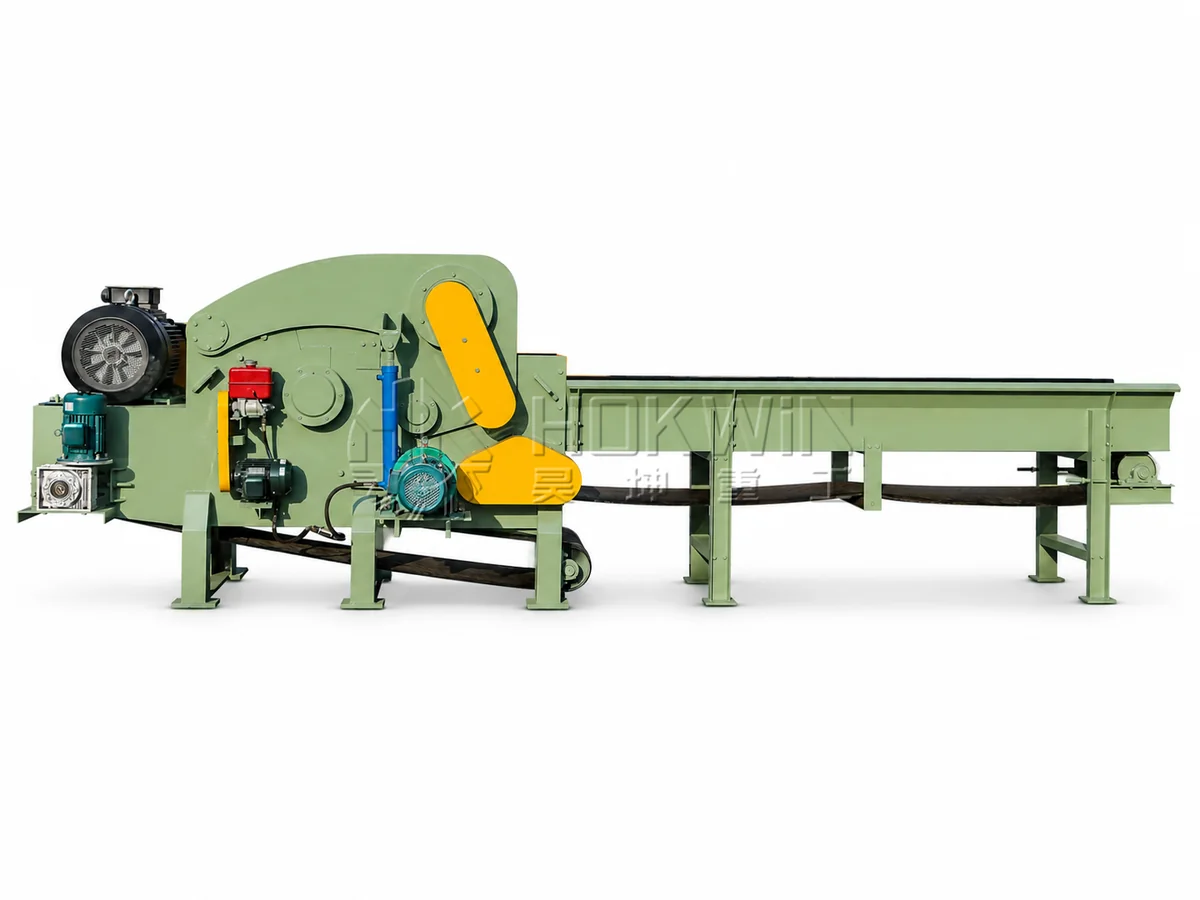
The wood crusher is an important pretreatment equipment in a biomass pellet production line. It crushes wood chips, wood shavings, branches, crop straw and other suitable biomass materials into smaller, uniform particles for subsequent pelletizing.
Key Features:
Quickly reduce material particle size.
Improve material consistency for pelletizing.
Process various wood and biomass residues.
Support continuous biomass pellet production.
Customer Cases
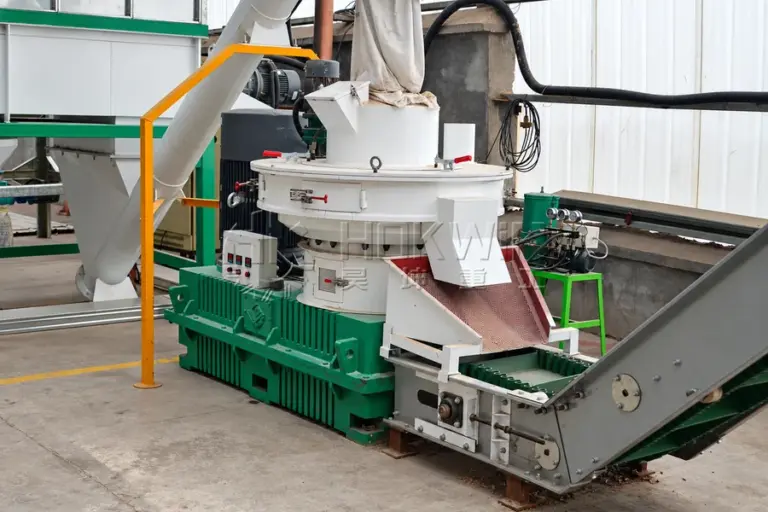
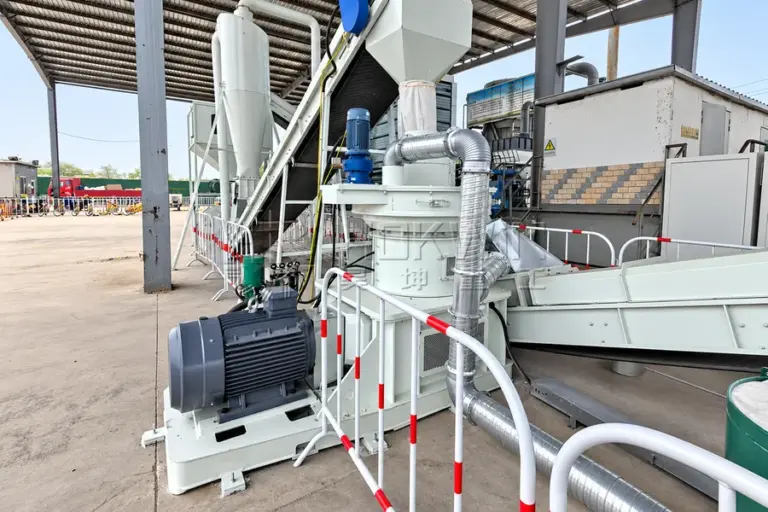
- Country: Vietnam
- Capacity: 4 T/H
- Raw Material: Sawdust, Wood Chips
- Finished Product: Wood Fuel Pellets
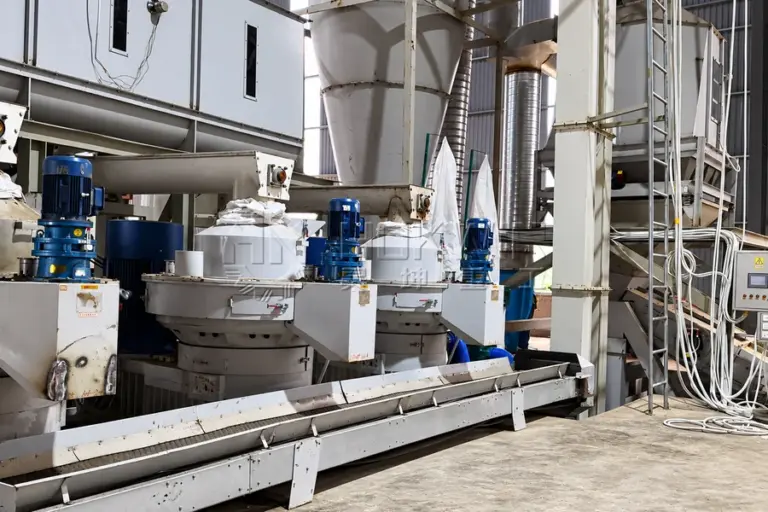
- Country: Brazil
- Capacity: 2 T/H
- Raw Material: Sugarcane Bagasse
- Finished Product: Bagasse Fuel Pellets
- Country: Ukraine
- Capacity: 6–7 T/H
- Raw Material: Sunflower Husks
- Finished Product: Sunflower Husk Fuel Pellets
FAQ
Yes. A biomass pellet production line can process different materials with suitable equipment configurations and operating adjustments.
Yes. High-moisture biomass materials can be processed after suitable pretreatment.
Depending on the initial moisture content, a dewatering or drying system may be required before pelletizing.
Crushing reduces oversized biomass materials to a suitable particle size for pellet formation.
Uniform particle size helps improve feeding stability, material compression, and finished pellet consistency.
Pellet density and strength depend on raw material properties, moisture content, particle size, compression ratio, and pelletizing conditions.
Proper raw material preparation and suitable die selection help improve pellet quality and reduce breakage.
Common causes include unsuitable moisture content, improper particle size, insufficient compression, inappropriate die specifications, and inadequate cooling.
These problems can often be improved by adjusting raw material preparation and pelletizing parameters.
Yes. We provide customized biomass pellet production line solutions based on raw material types, initial moisture content, required capacity, finished pellet specifications, and factory conditions.