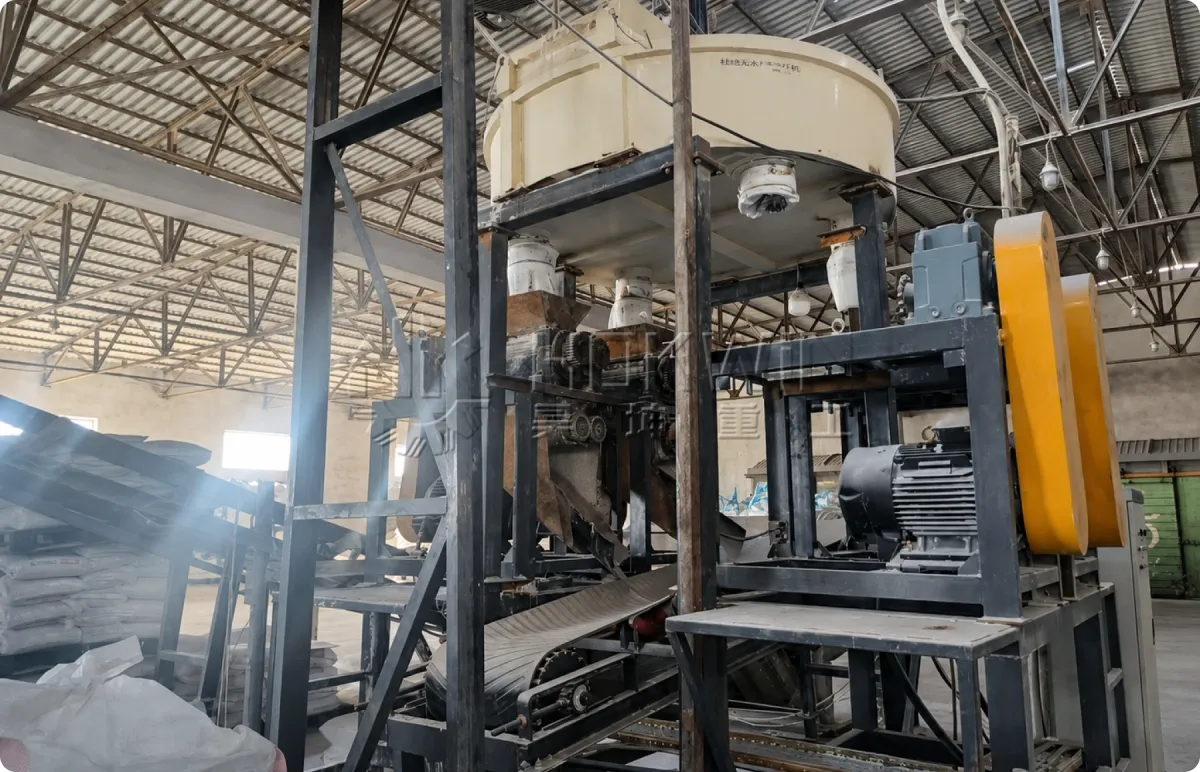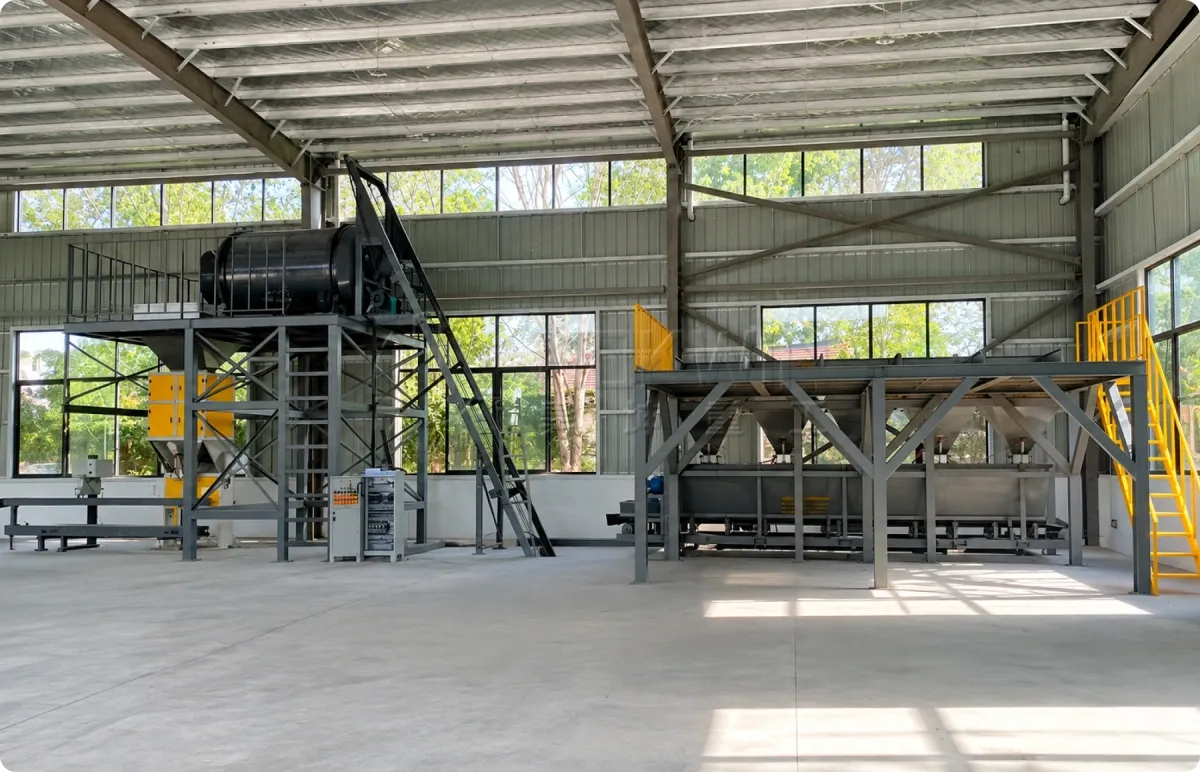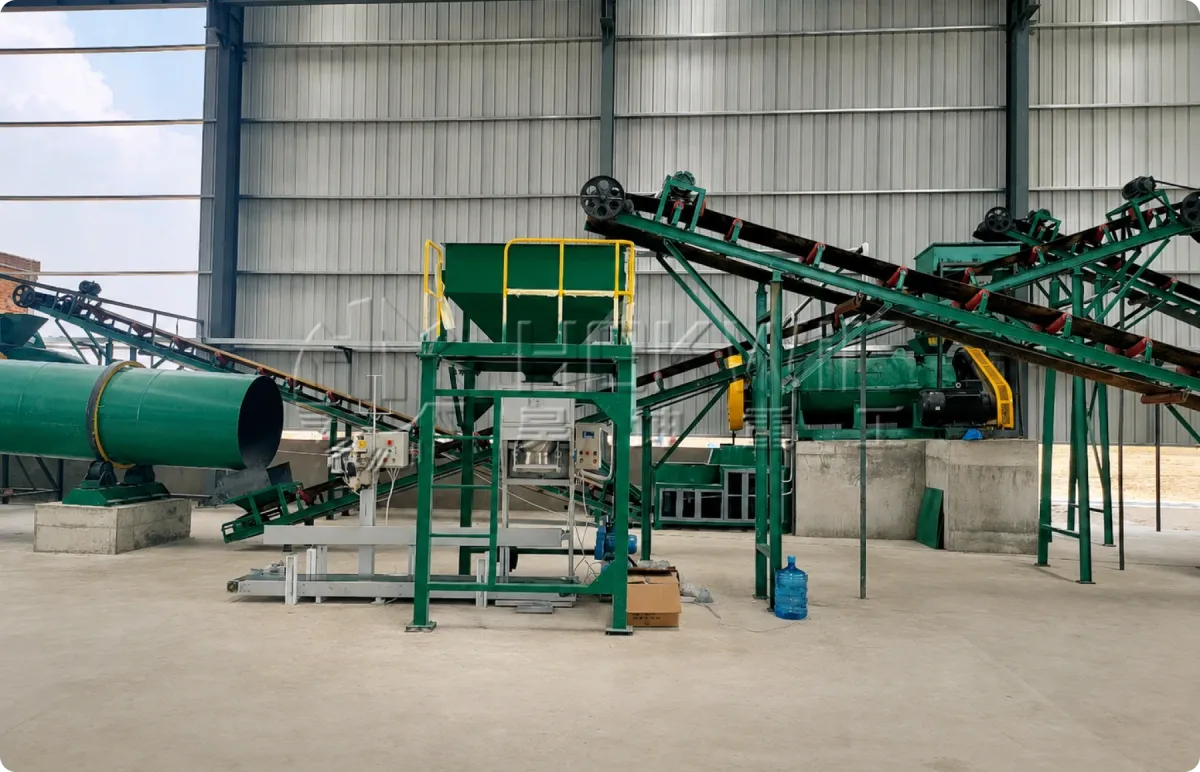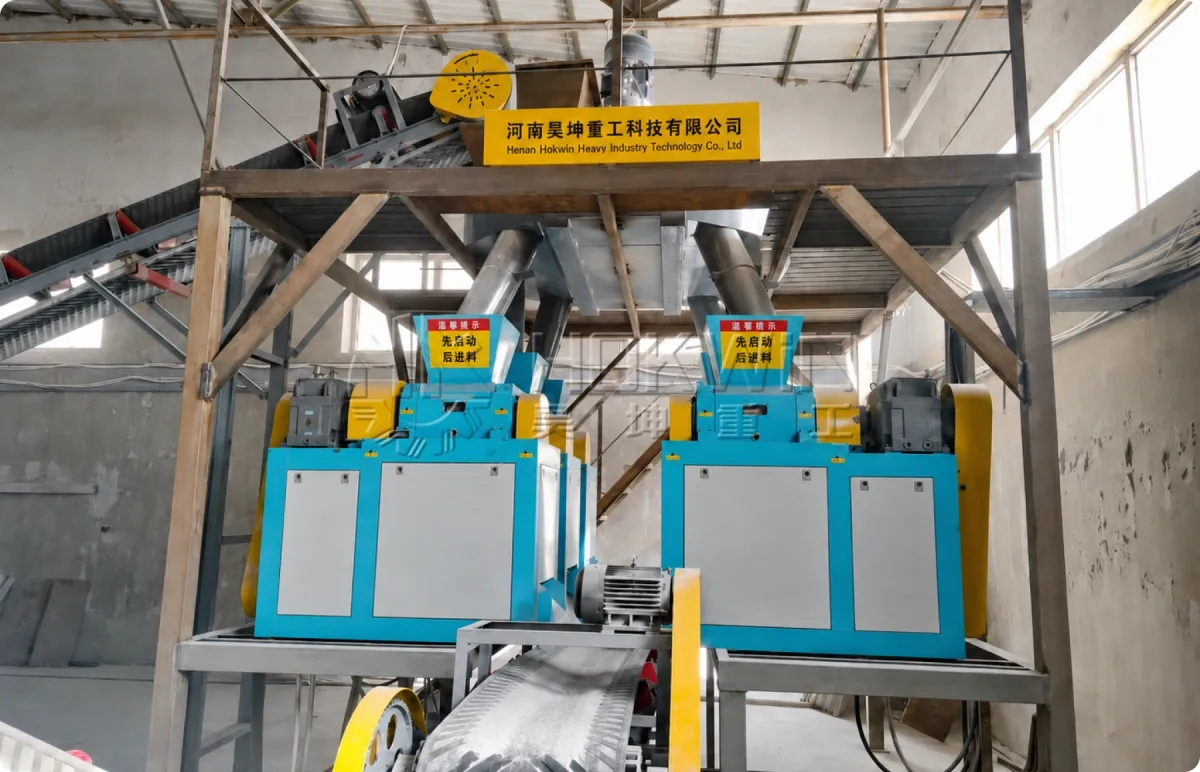


Information
- Capacity: 1–20 T/H
- Voltage:220v/380v/440v(50Hz/60Hz)/Customized
- Final Material: Organic Fertilizer Granules / Powder
- Application:Organic Fertilizer Plants / Livestock & Poultry Farms / Composting & Waste Recycling / Food & Agricultural Processing, etc.
- Material:Carbon Steel / Alloy / Stainless Steel
Introduction

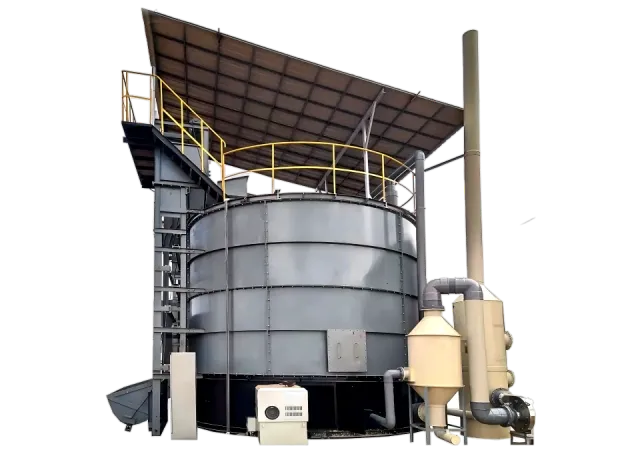
Hokwin provides complete organic fertilizer production line solutions for converting livestock manure, agricultural waste and other organic materials into commercial organic fertilizer.
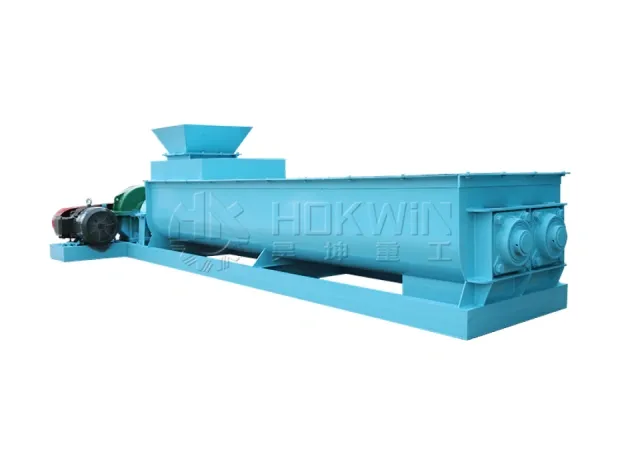
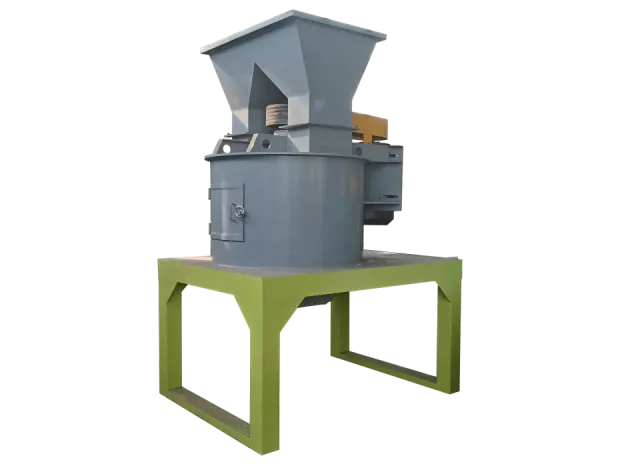
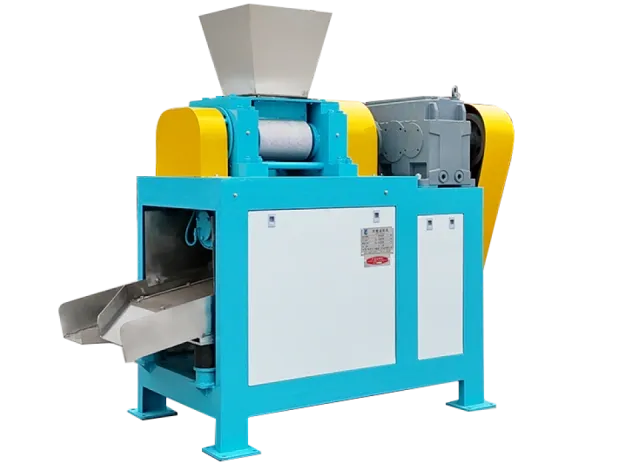
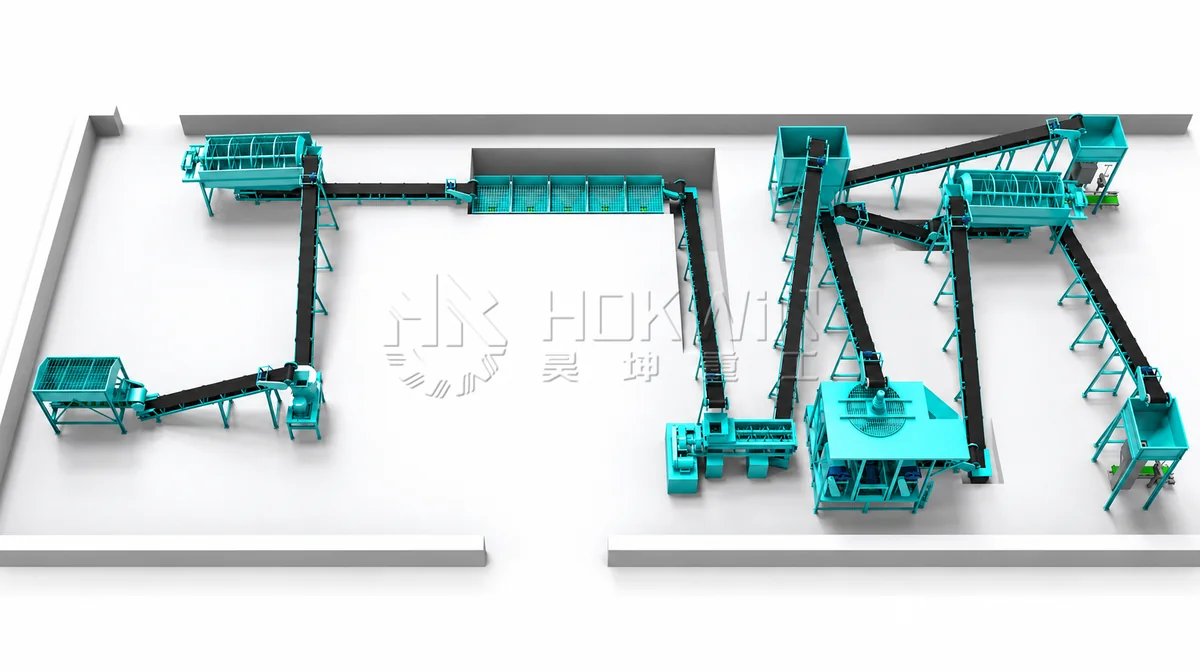
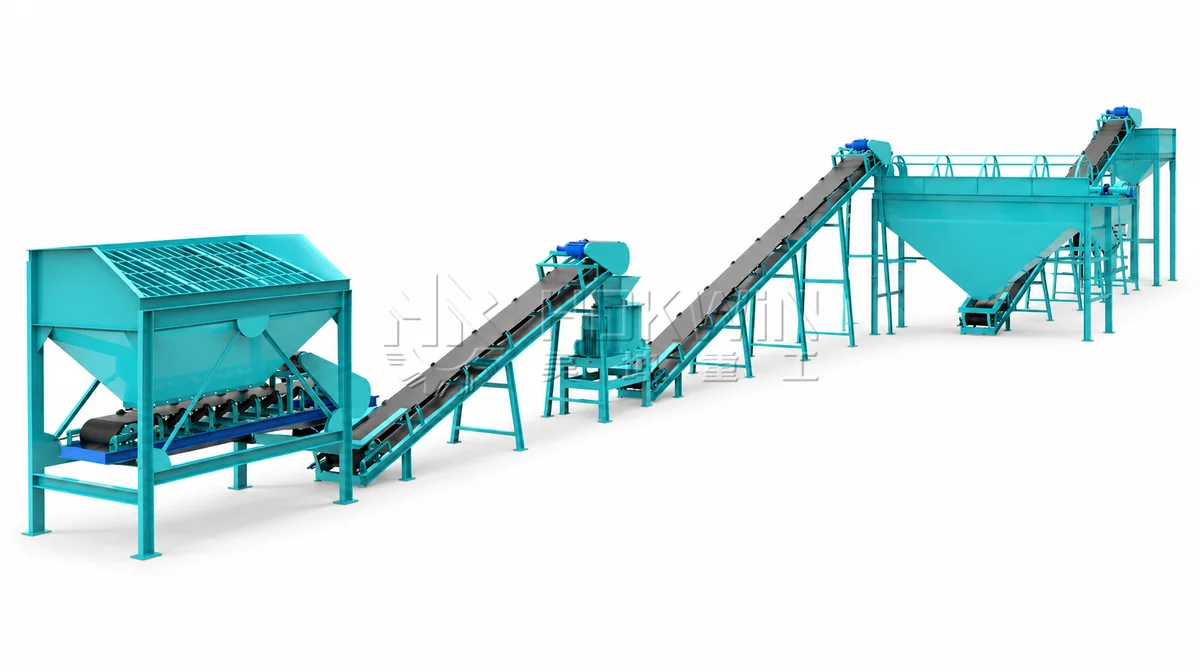
The production process can include composting, crushing, mixing, granulation, drying, cooling, screening, coating, conveying and automatic packing.
Each production line can be customized according to the customer’s raw material characteristics, moisture content, production capacity, final fertilizer form, plant size and automation requirements.
From a small powder fertilizer plant to a fully automatic granular fertilizer production line, we can provide suitable equipment configuration and process design.
Suitable Raw Materials
- Chicken Manure
- Cow Manure
- Pig Manure
- Sheep Manure
- Horse Manure
- Duck Manure
- Goose Manure
- Rabbit Manure
- Quail Manure
- Other Animal Manure
- Corn Stalks
- Wheat Straw
- Rice Straw
- Soybean Straw
- Cotton Stalks
- Peanut Vines
- Sugarcane Leaves
- Vegetable Residues
- Crop Residues
- Orchard Prunings
- Agricultural Organic Waste
- Mushroom Residue
- Spent Mushroom Substrate
- Sawdust-Based Mushroom Waste
- Cottonseed Hull Residue
- Mushroom Growing Media
- Fruit & Vegetable Waste
- Bean Residue
- Distiller’s Grains
- Brewer’s Grains
- Vinegar Residue
- Soy Sauce Residue
- Fruit Pomace
- Apple Pomace
- Grape Pomace
- Bagasse
- Starch Residue
- Cassava Residue
- Potato Residue
- Tea Residue
- Coffee Grounds
- Rapeseed Cake
- Soybean Meal
- Peanut Cake
- Cottonseed Cake
- Sesame Cake
- Palm Waste
- Coconut Waste
- Coconut Coir
- Rice Husk
- Peanut Shells
- Sunflower Husks
- Corn Cobs
- Leaves
- Grass Clippings
- Branches
- Garden Prunings
- Flower Waste
- Landscaping Waste
- Kitchen Waste
- Food Waste
- Vegetable Waste
- Fruit Waste
- Compostable Organic Waste
- Sawdust
- Wood Chips
- Bark
- Wood Processing Waste
- Bamboo Waste
- Rice Husk
- Coconut Coir
- Fermented Animal Manure
- Mature Compost
- Organic Compost
- Fermented Agricultural Waste
- Composted Food Waste
- Fermented Mushroom Residue
- Humic Materials
- Peat
- Humic Acid Materials
- Vermicompost
- Seaweed Waste
- Herbal Medicine Residue
- Tobacco Waste
- Flower Farming Waste
- Organic Aquaculture By-products
- Other Fermentable Organic Waste
Finished Product Options
What Can You Produce?
Depending on your market requirements, the production line can be designed for powder organic fertilizer, granular organic fertilizer or both.
Powder Organic Fertilizer
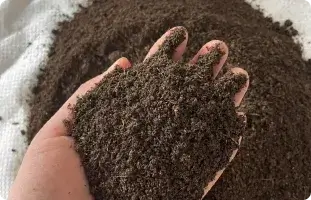
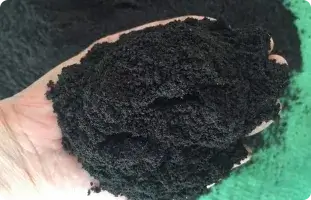
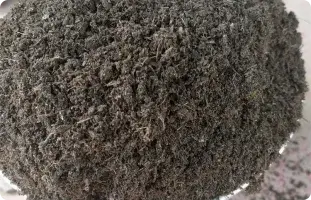
After complete fermentation, the material is crushed, screened, mixed and packed.
Features
Typical Process
Granular Organic Fertilizer
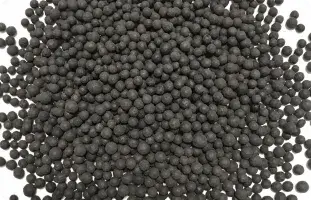
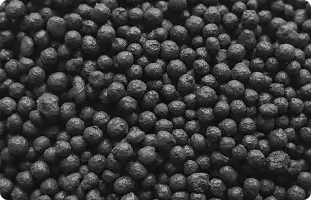
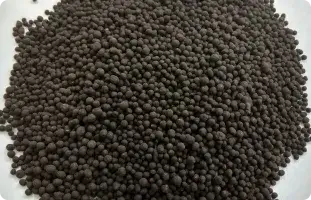
The fermented powder is further processed into uniform fertilizer granules.
Features
Typical Process
Granulation Technology Options
Choose the Right Granulation Process
Different organic fertilizer materials require different granulation methods. Hokwin can recommend the appropriate granulator according to raw material characteristics and finished product requirements.
Stirring Tooth Granulator

Suitable for organic fertilizer materials with good granulation properties.
Features
Disc Granulator
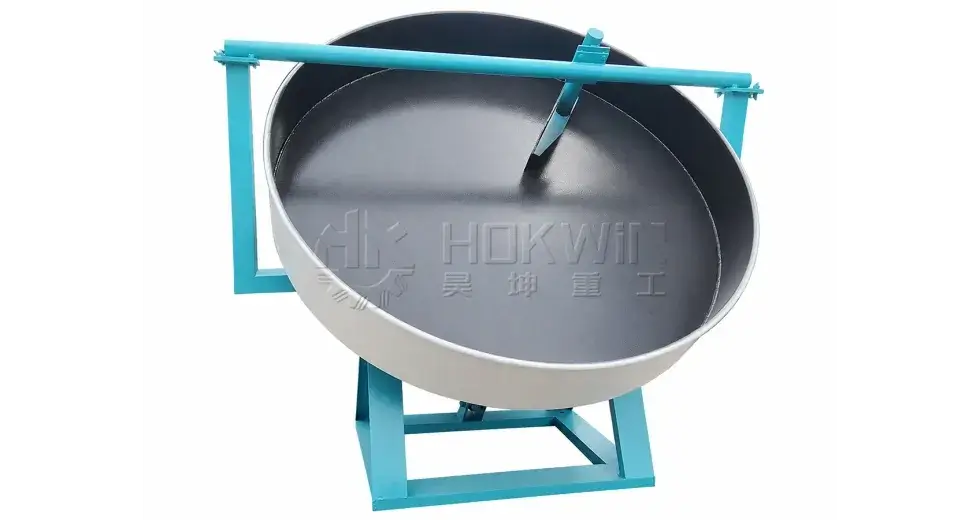
A flexible solution for producing round fertilizer granules.
Features
Rotary Drum Granulator
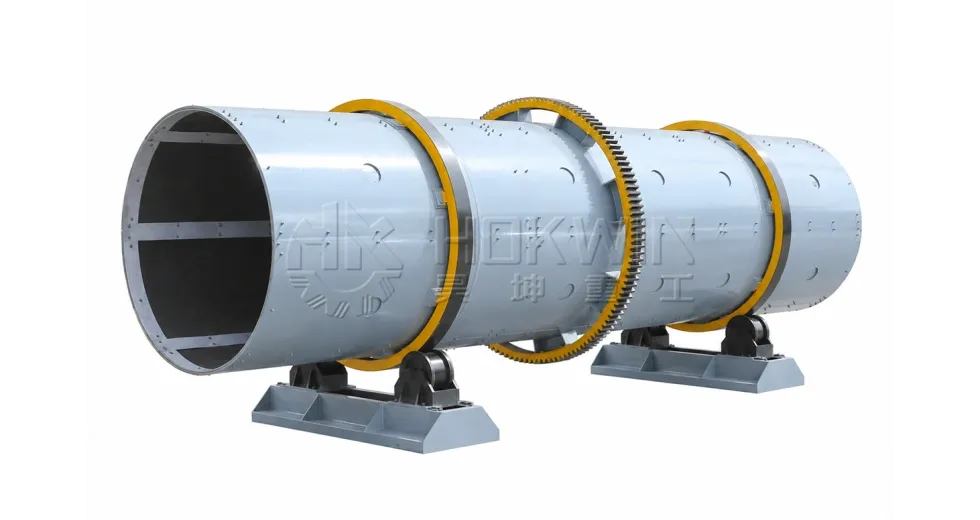
Suitable for medium and large continuous fertilizer production lines.
Features
Other Granulators
The suitable granulation process depends on:
- Raw Material
- Moisture Content
- Required Granule Size
- Capacity
- Finished Product Shape
- Investment Budget
Customer Cases
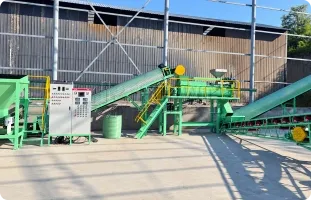
- Country: Australia
- Raw Material: Cow Manure + Agricultural Waste
- Capacity: 5 T/H
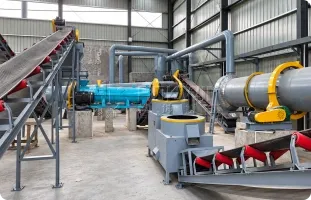
- Country: Bolivia
- Raw Material: Livestock Manure + Quinoa Residues
- Capacity: 4 T/H
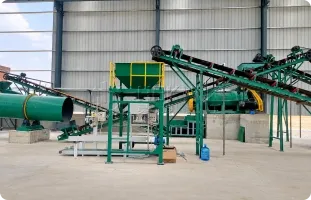
- Country: Cambodia
- Raw Material: Chicken Manure
- Capacity: 3–5 T/H
FAQ
An organic fertilizer production line can process a wide range of organic materials, including chicken manure, cow manure, pig manure, sheep manure, crop straw, rice husk, sawdust, mushroom residue, bean residue, distiller’s grains, biogas residue, organic sludge and other compostable organic materials.
The suitable process depends on the moisture content, composition and physical condition of the raw material.
Yes, most fresh livestock manure and organic waste should be fully composted or fermented before further processing.
Proper fermentation helps stabilize the organic material, reduce moisture, improve material structure and prepare it for crushing, mixing and granulation.
Yes.
A powder organic fertilizer line usually includes composting, crushing, screening, mixing and packing.
A granular organic fertilizer line adds granulation, drying, cooling, screening and other processes after crushing and mixing.
The production process can be designed according to your final product requirements.
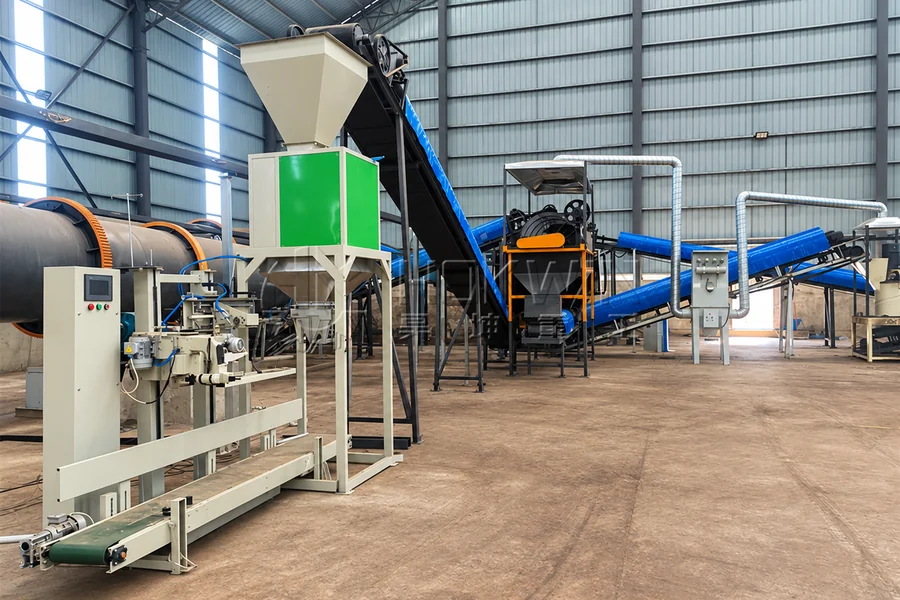
A complete production line may include:
- Compost Turner
- Crusher
- Batching System
- Mixer
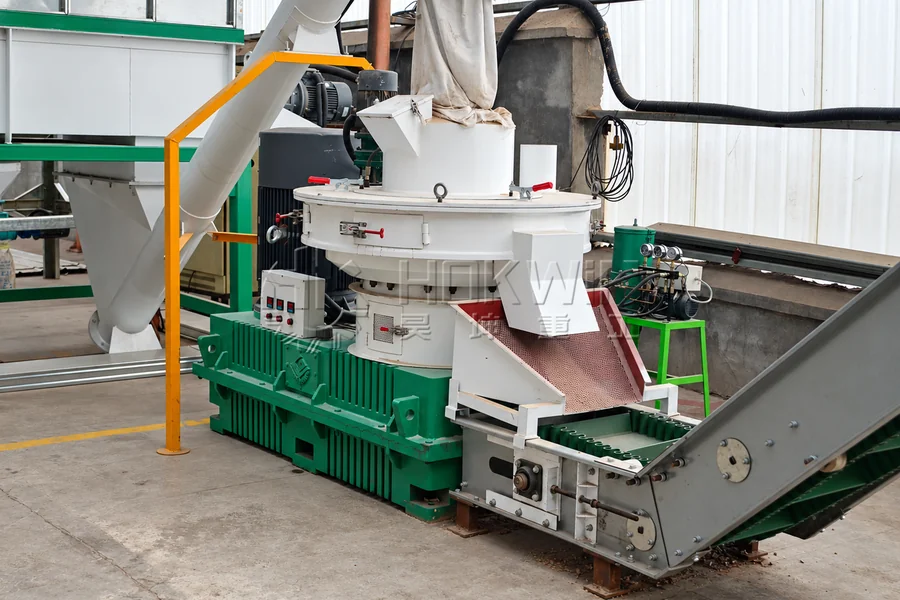
- Granulator
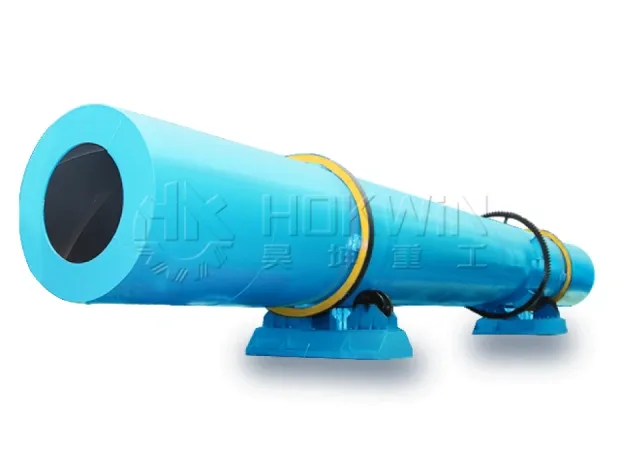
- Rotary Dryer
- Rotary Cooler
- Screening Machine
- Coating Machine
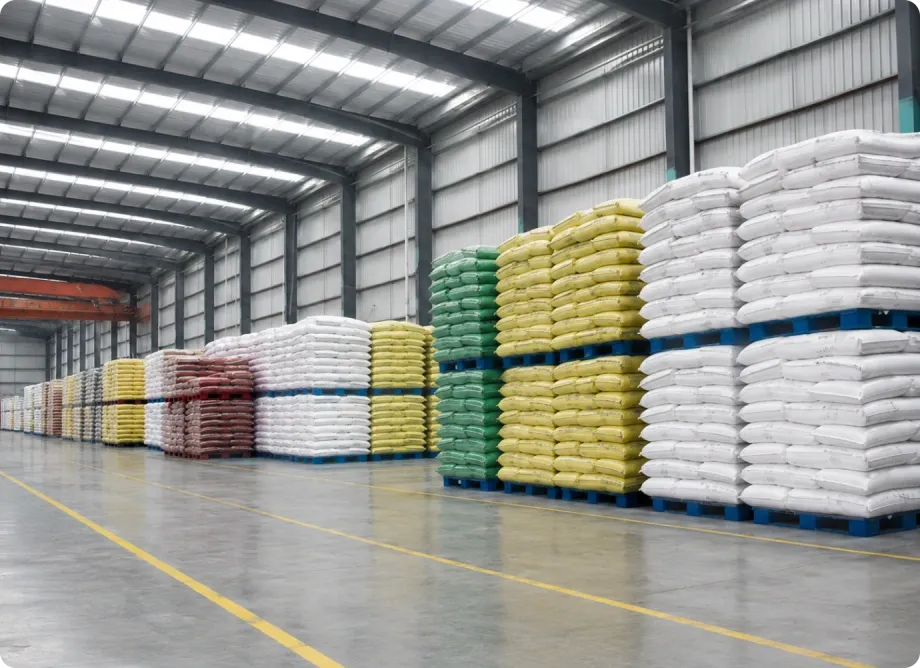
- Packing Machine
- Conveyor System
- Dust Collection System
Not every project requires all of these machines. The final equipment configuration depends on the process.
The final particle size can be adjusted according to customer requirements and the granulation process.
Common commercial fertilizer granules are often produced within a few millimeters in diameter.
The screening system can separate qualified granules from oversized particles and fine material.
If you want a simpler process, lower investment and lower energy consumption, powder organic fertilizer is often a practical option.
If you need better product appearance, improved flowability, easier packaging and stronger commercial presentation, granular fertilizer may be more suitable.
The final choice should also consider your target market and investment budget.