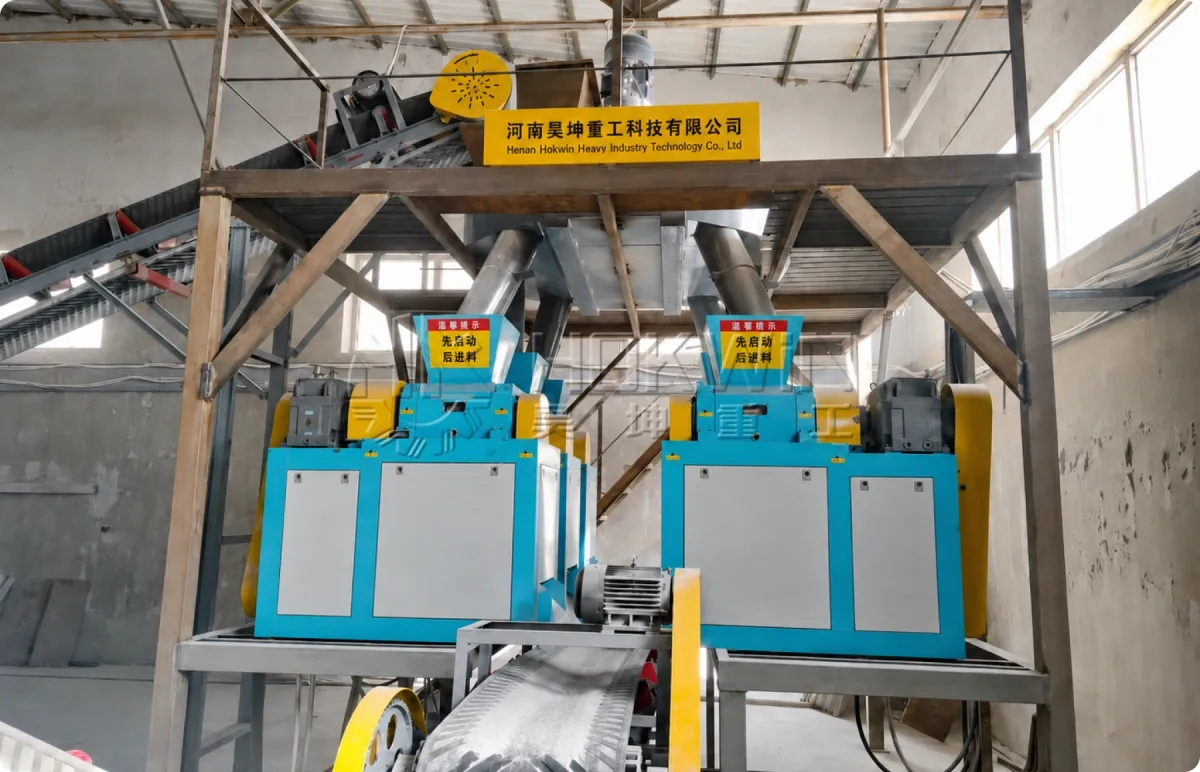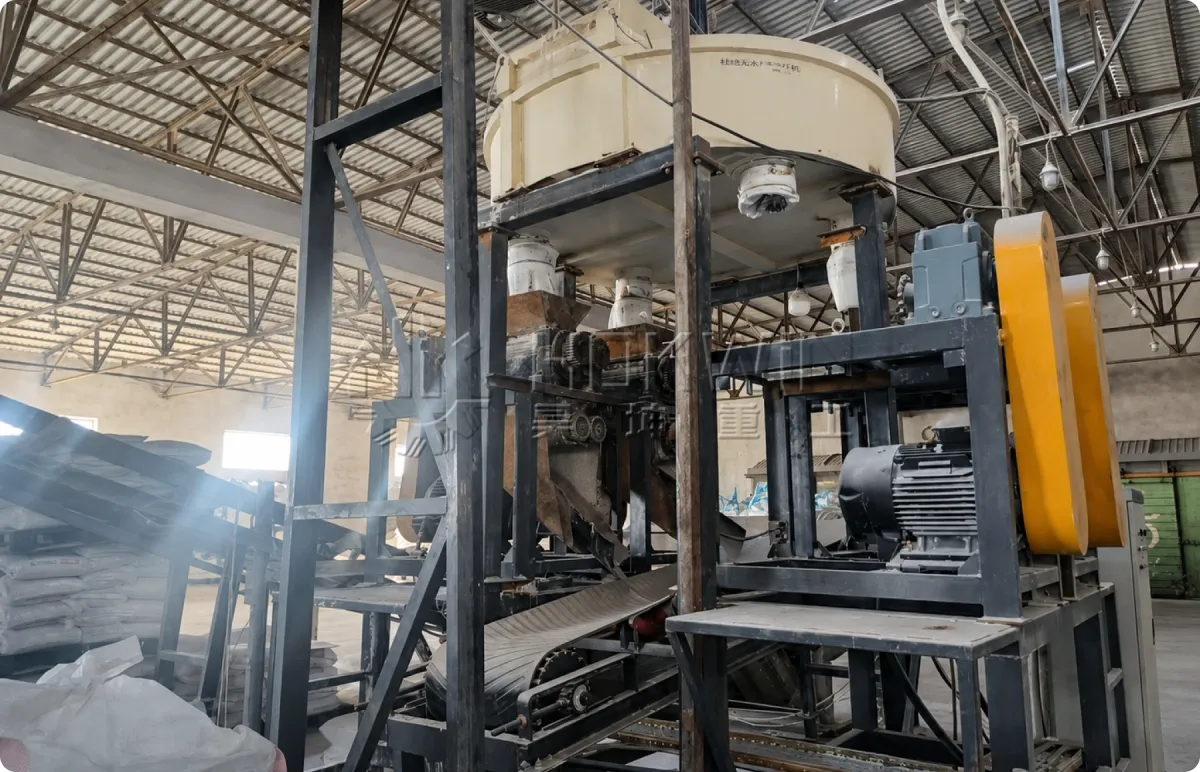


Information
- Capacity: 1–20 T/H
- Voltage: 220v/380v/440v(50Hz/60Hz)/Customized
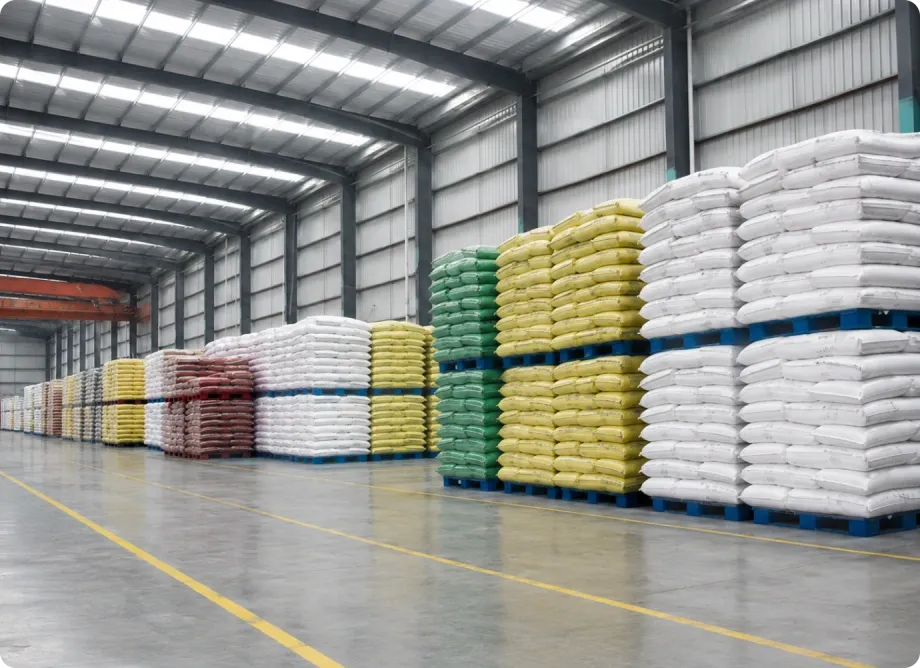
- Final Material: Powder / Granules
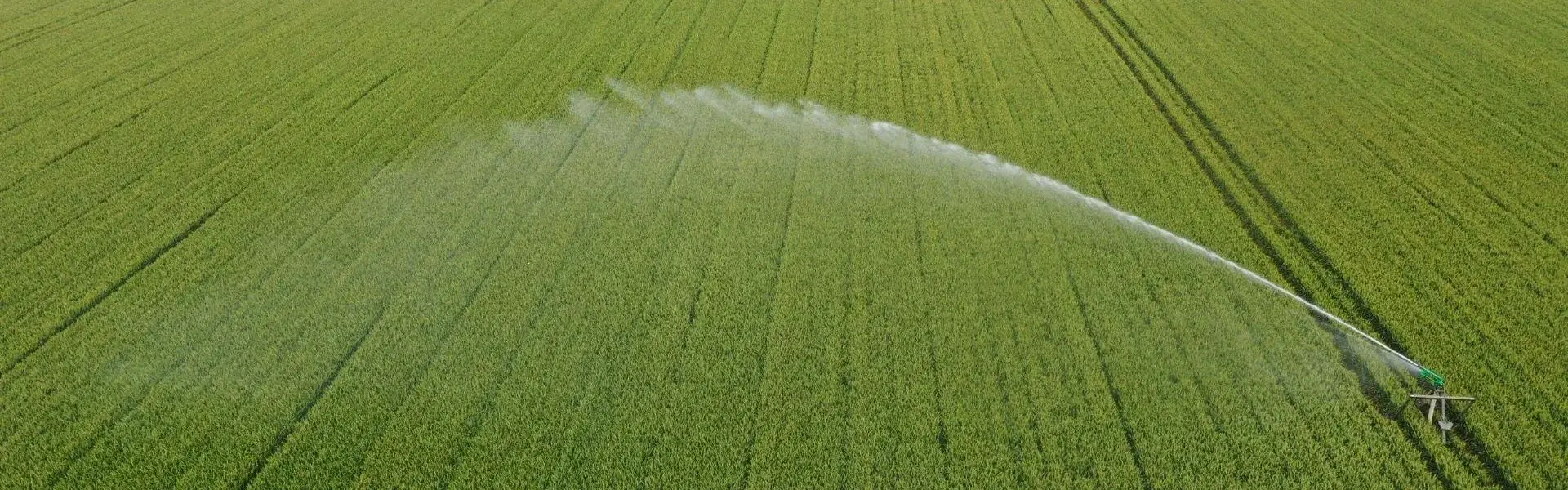
- Application: Construction Materials / Agriculture & Soil Improvement / Fertilizer Manufacturing / Chemical Industry / Environmental Protection / Pet Products, etc.
- Material: Carbon Steel / Alloy / Stainless Steel
Introduction
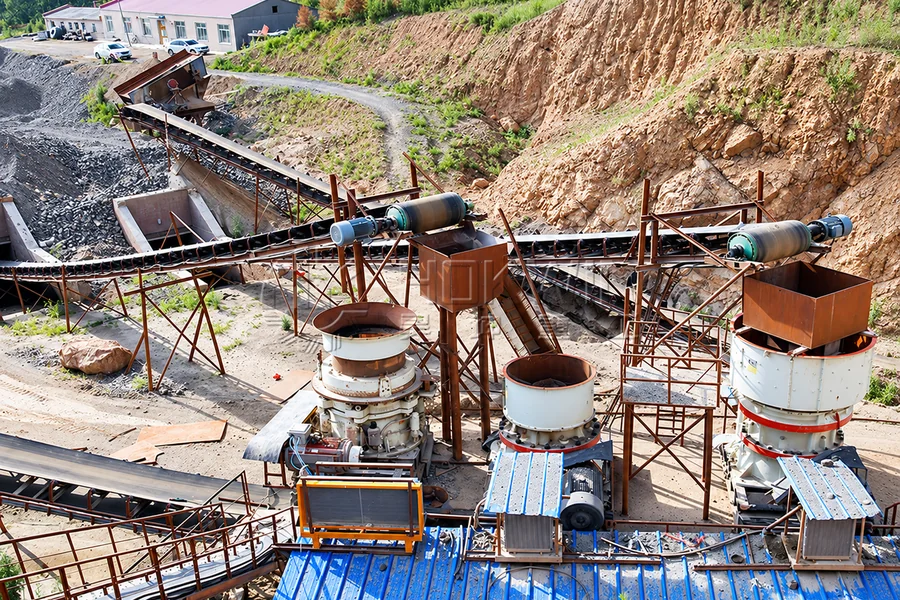
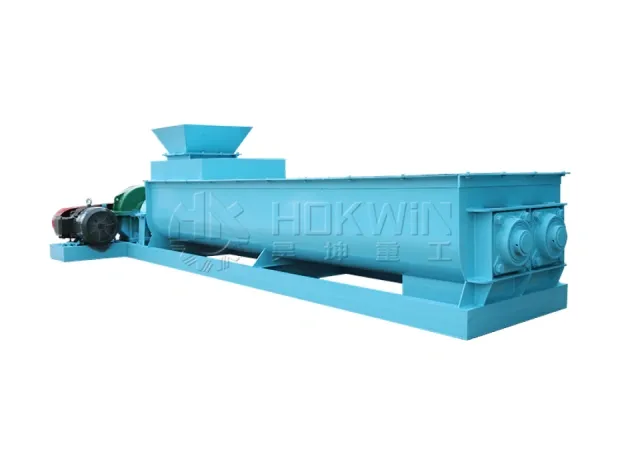
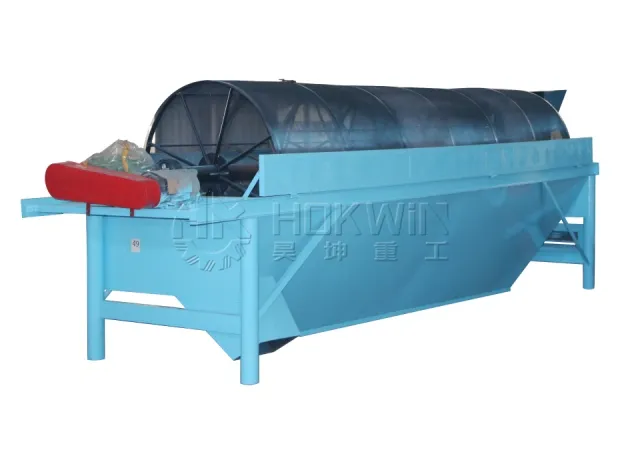
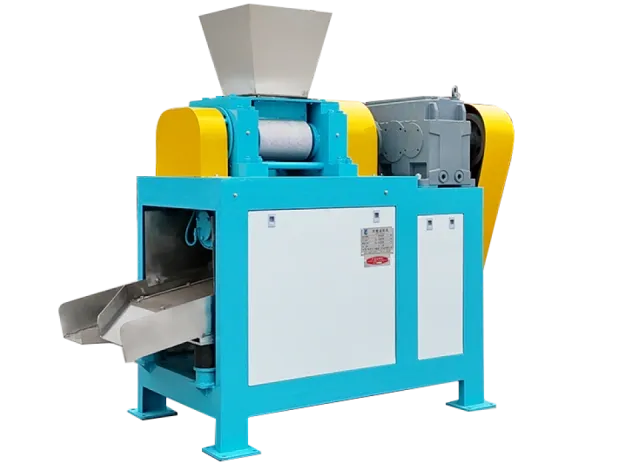
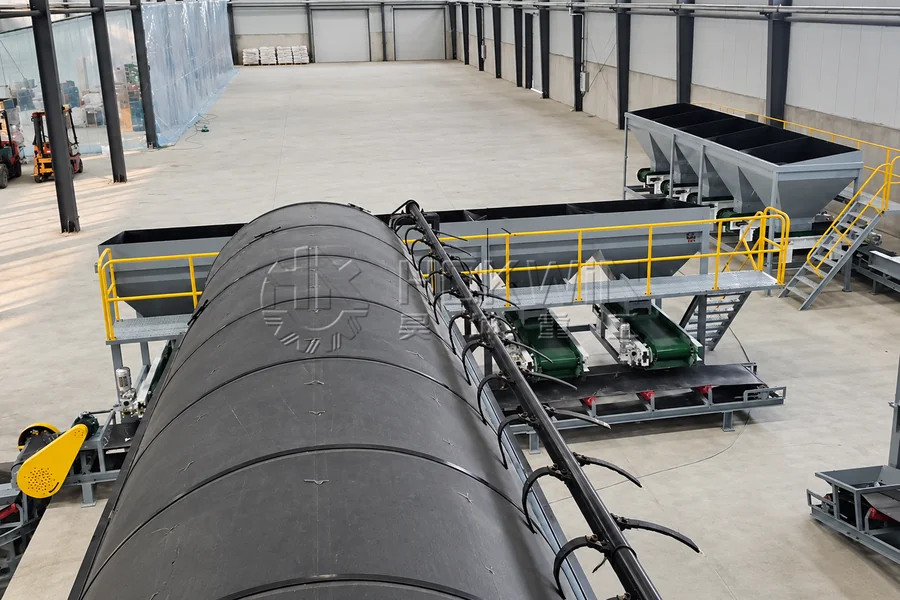
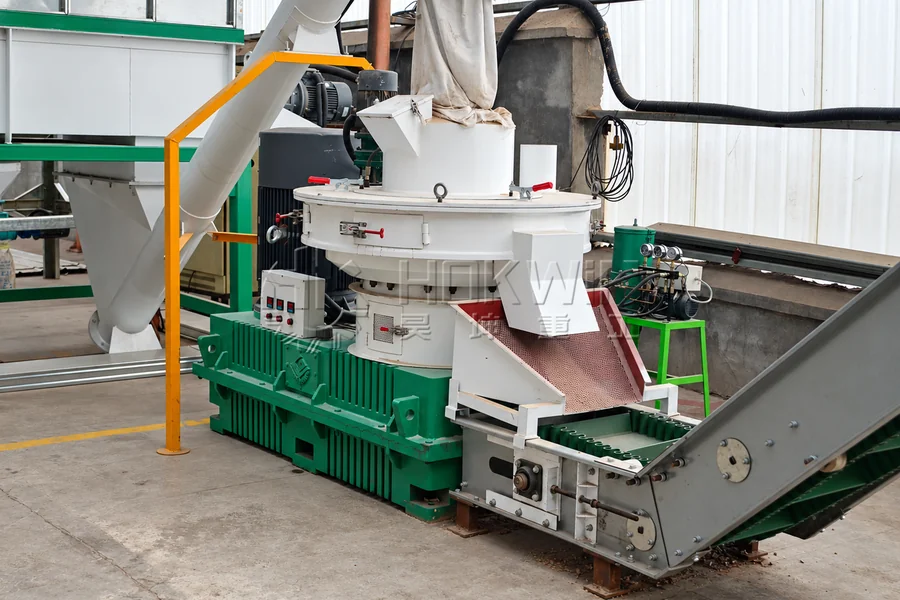
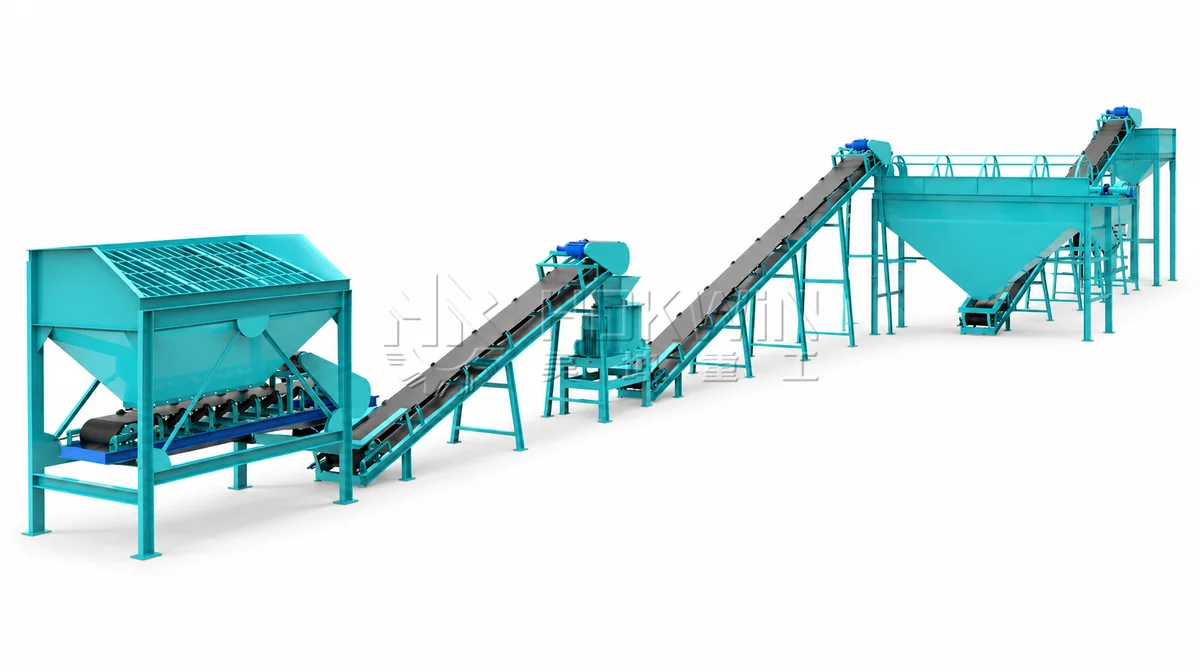
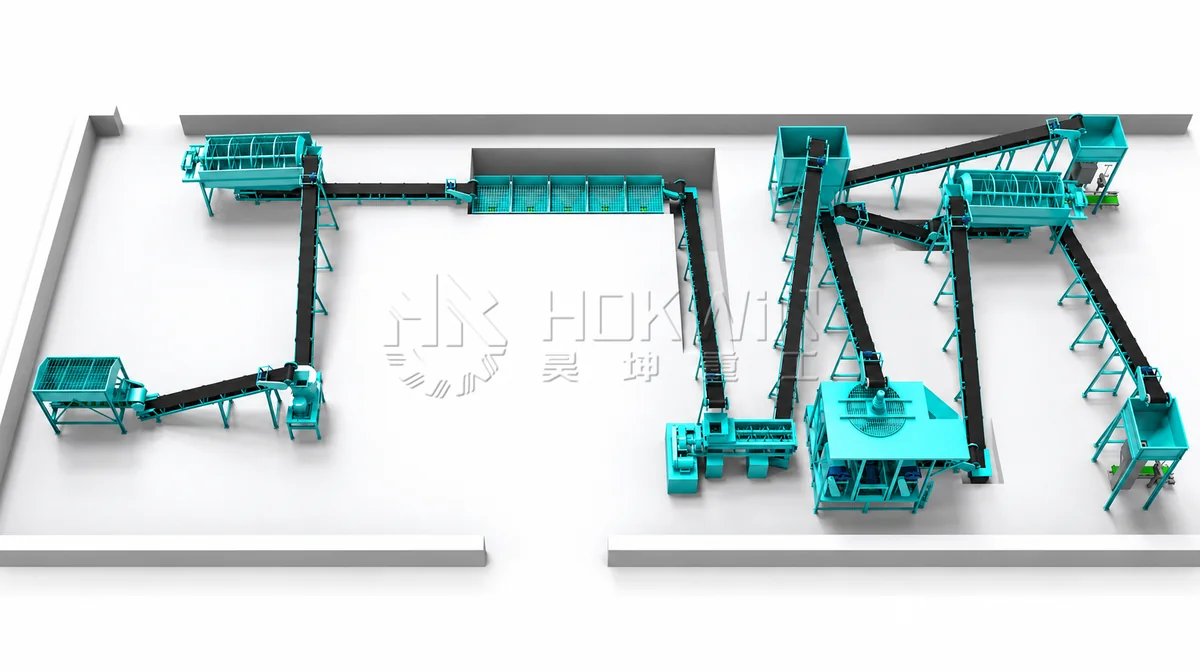
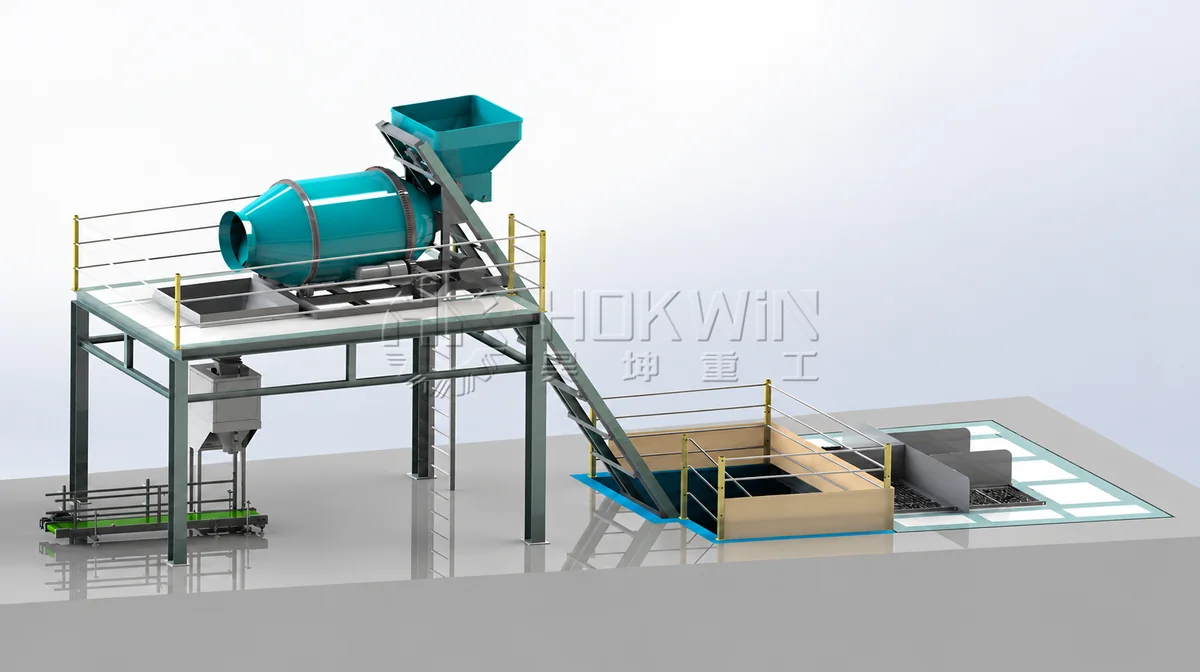
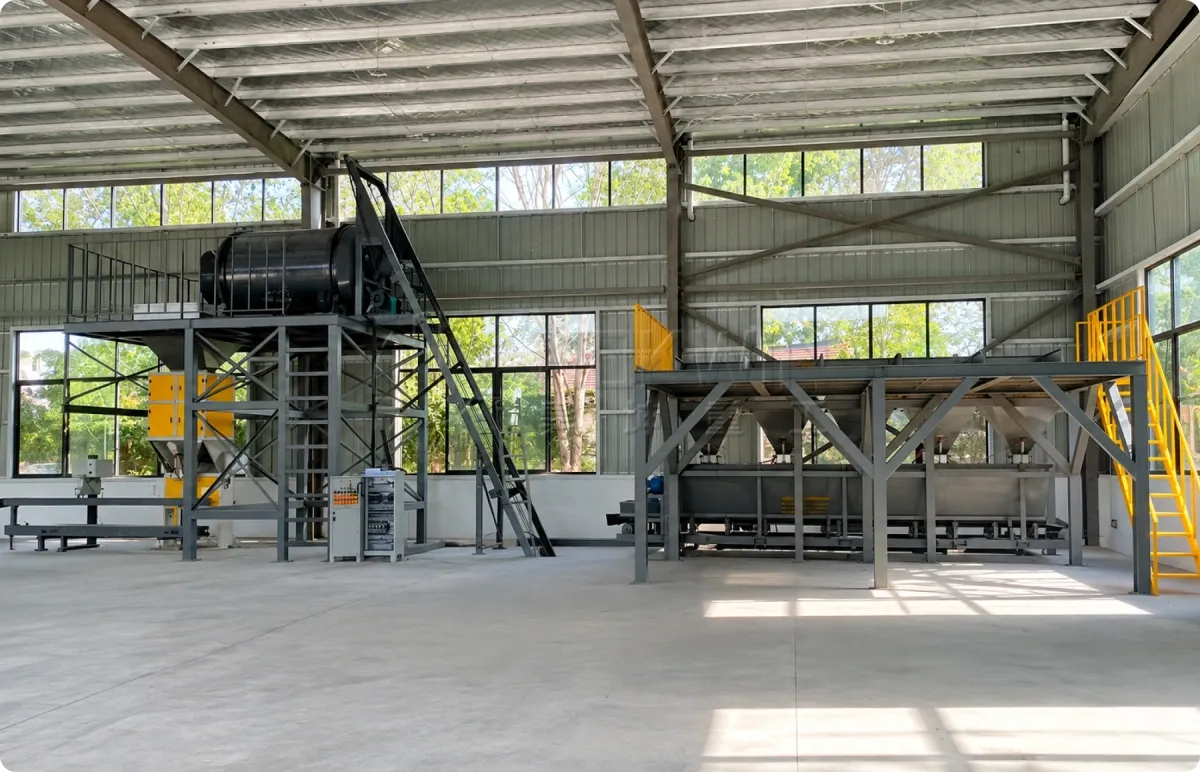
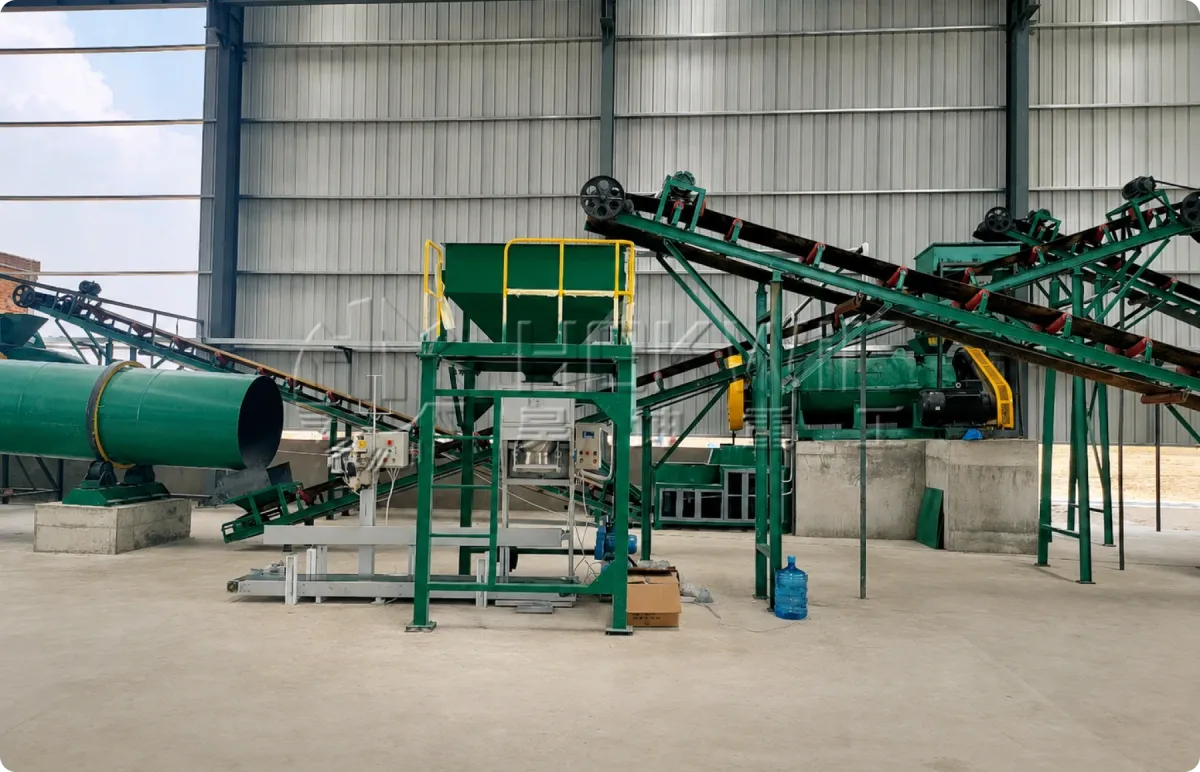
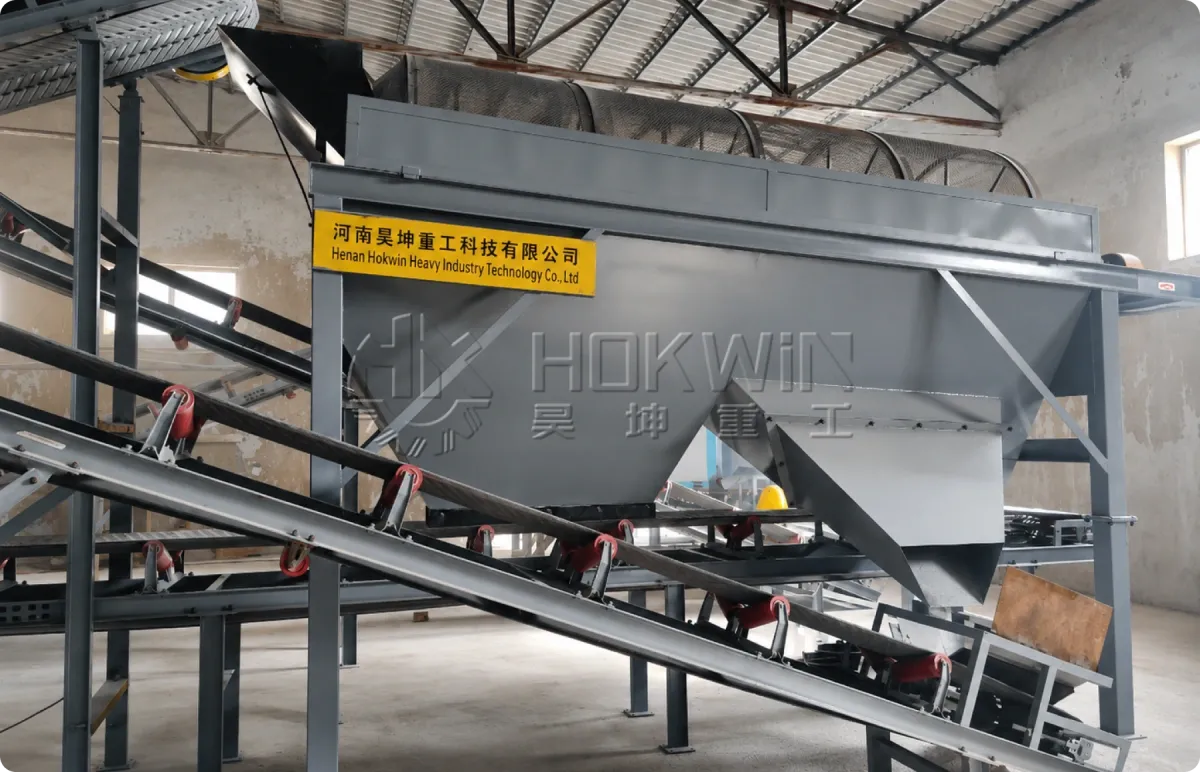
Our mineral powder and granule production line is designed to process various mineral raw materials into powders or granules. The production process can include crushing, grinding, batching, mixing, granulation, screening, drying, and packaging.
Based on material characteristics, required capacity, and finished product specifications, we provide customized equipment configurations and complete production line solutions for different industrial applications.
Advantages
Produce mineral powders or granules according to different requirements.
Suitable for limestone, dolomite, gypsum, bentonite, phosphate rock, and other minerals.
Customize powder fineness and granule size to meet different applications.
Optimized equipment configurations support efficient and continuous production.
Suitable Raw Materials
- Limestone
- Calcite
- Dolomite
- Marble
- Chalk
- Magnesite
- Travertine
- Aragonite
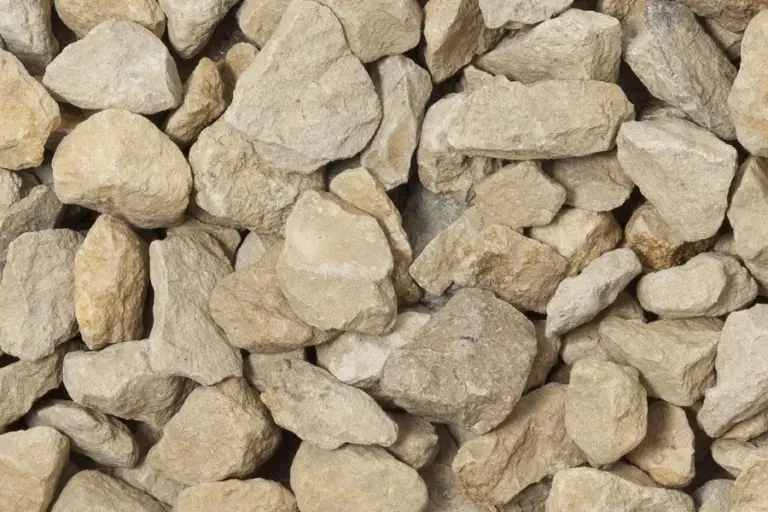
- Bentonite
- Kaolin
- Attapulgite (Palygorskite)
- Sepiolite
- Illite
- Ball Clay
- Fire Clay
- Fuller’s Earth
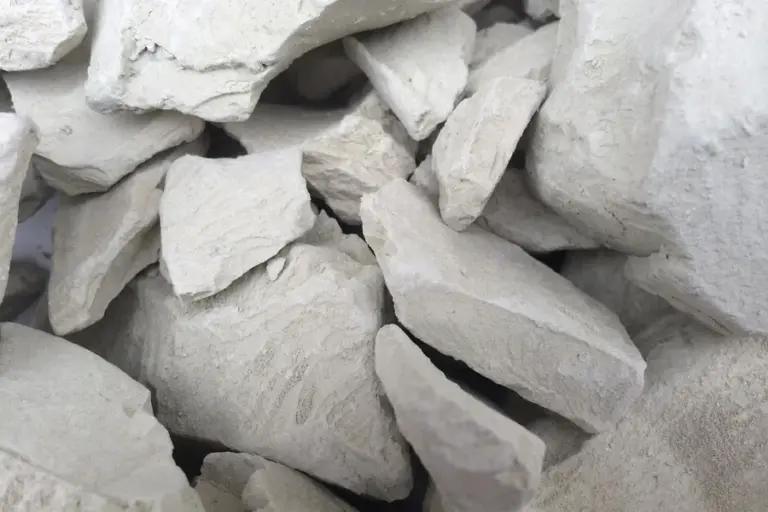
- Phosphate Rock
- Apatite
- Fluorapatite
- Rock Phosphate Powder
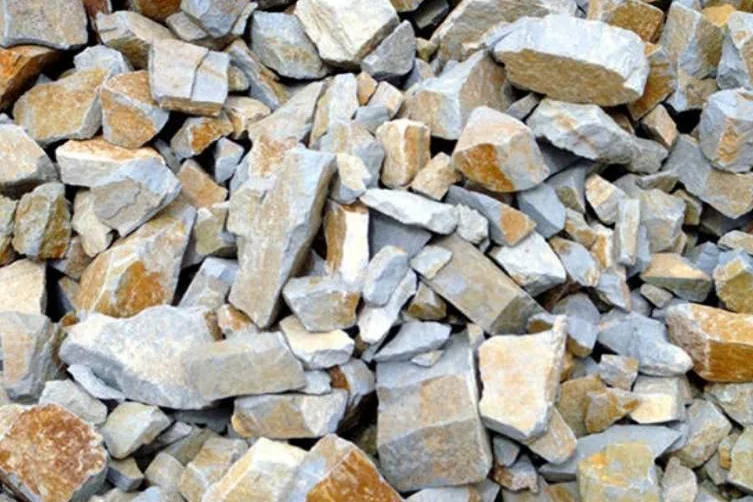
- Gypsum
- Anhydrite
- Barite
- Celestite
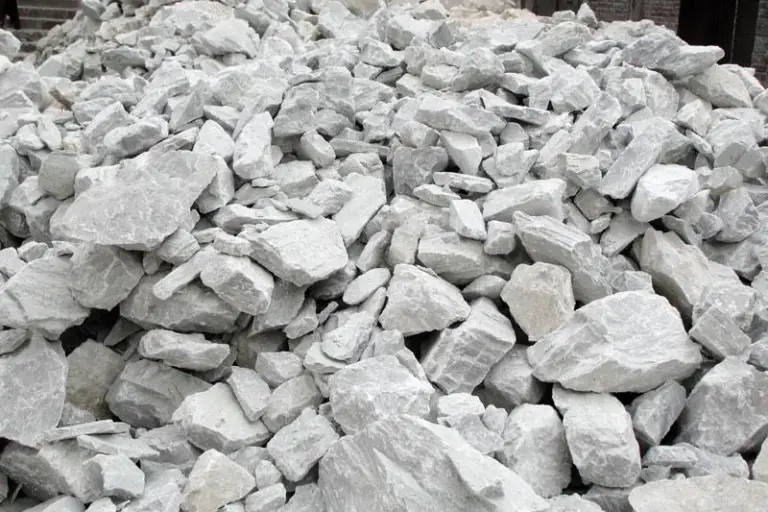
- Zeolite
- Talc
- Feldspar
- Quartz
- Silica Sand
- Wollastonite
- Mica
- Perlite
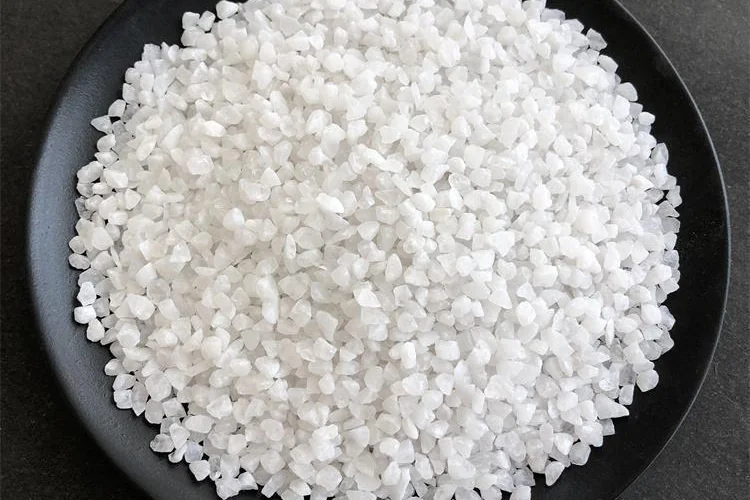
Finished Product Options
Flexible Solutions for Mineral Powder and Granule Production
Our mineral processing lines can produce various mineral powders and granules. Production processes are customized according to raw material characteristics, required capacity, and finished product specifications.
Mineral Powder Production
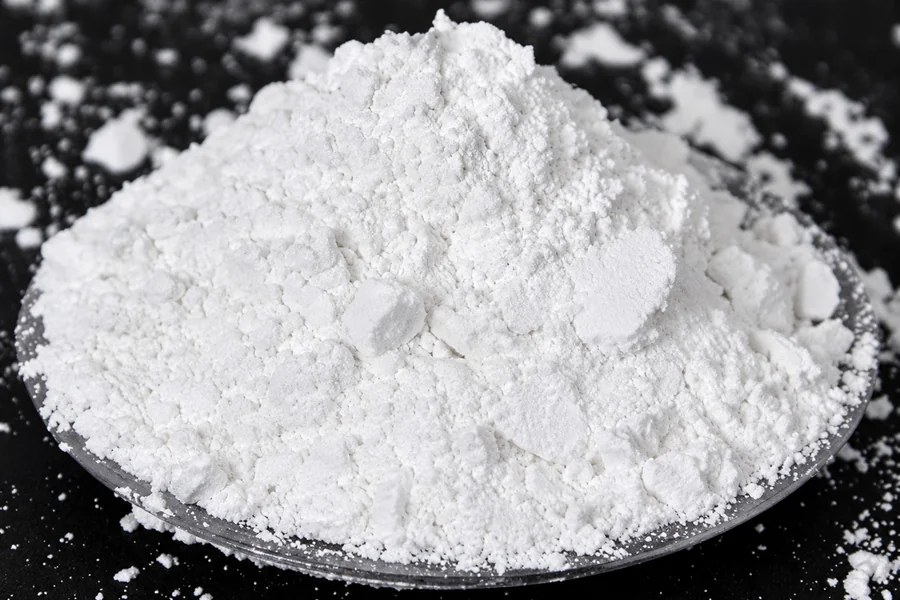
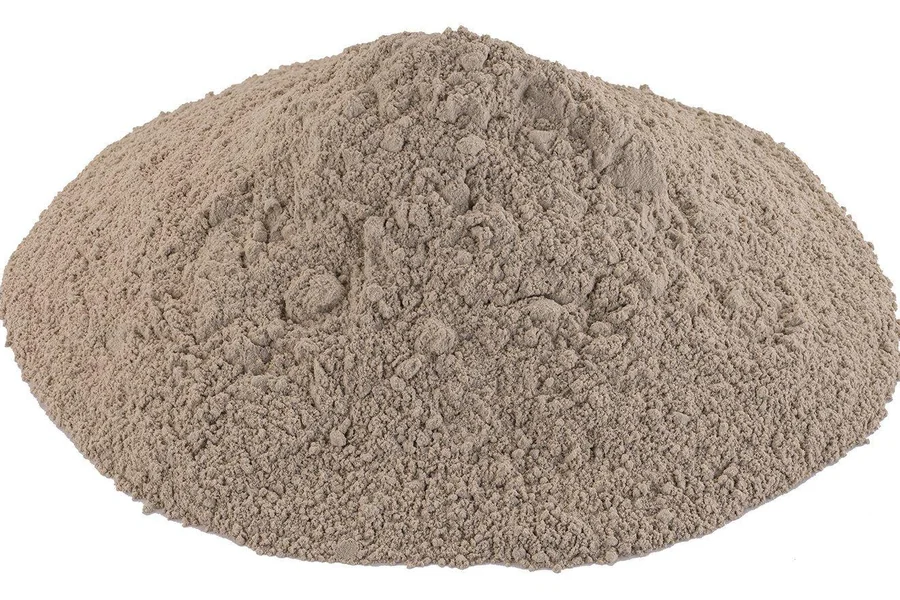
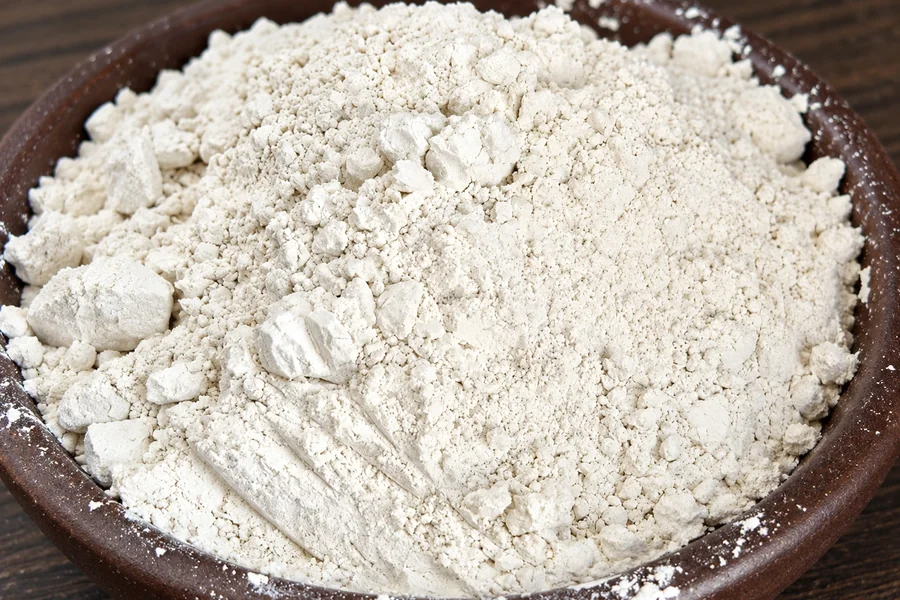
Suitable for producing mineral powders with different fineness requirements. Equipment configurations can be adjusted based on raw material properties.
Mineral Granule Production
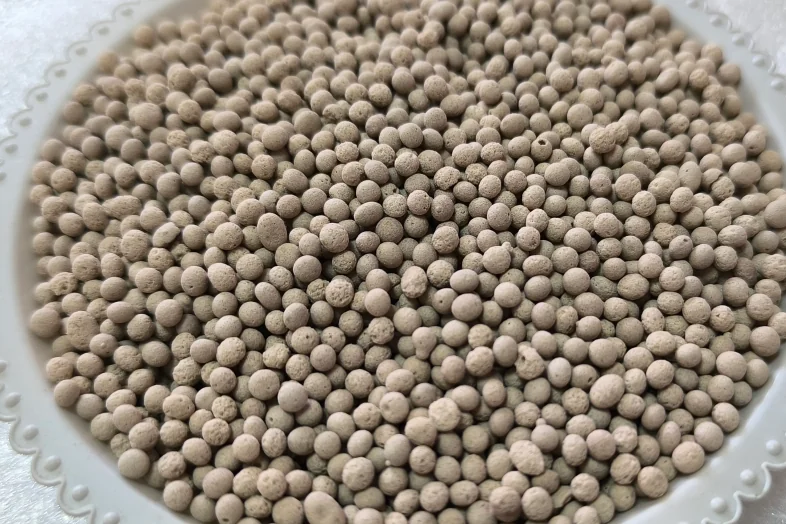
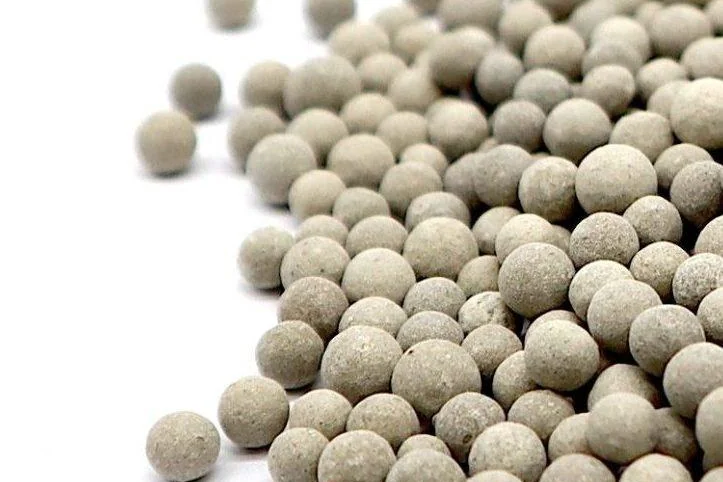
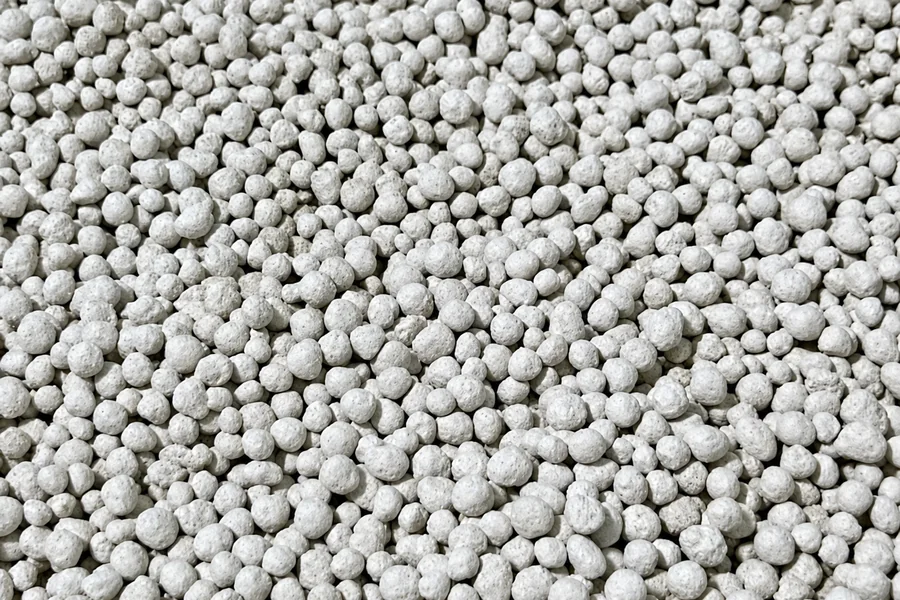
Raw minerals are crushed and ground into fine powders, then proportioned and mixed as required. The prepared materials are formed into rounded granules through disc granulation, followed by drying, cooling, screening, and packaging.
Note: Production processes vary depending on raw material properties and finished product requirements. Crushing, grinding, batching, drying, and cooling can be configured as needed.
Raymond Mill
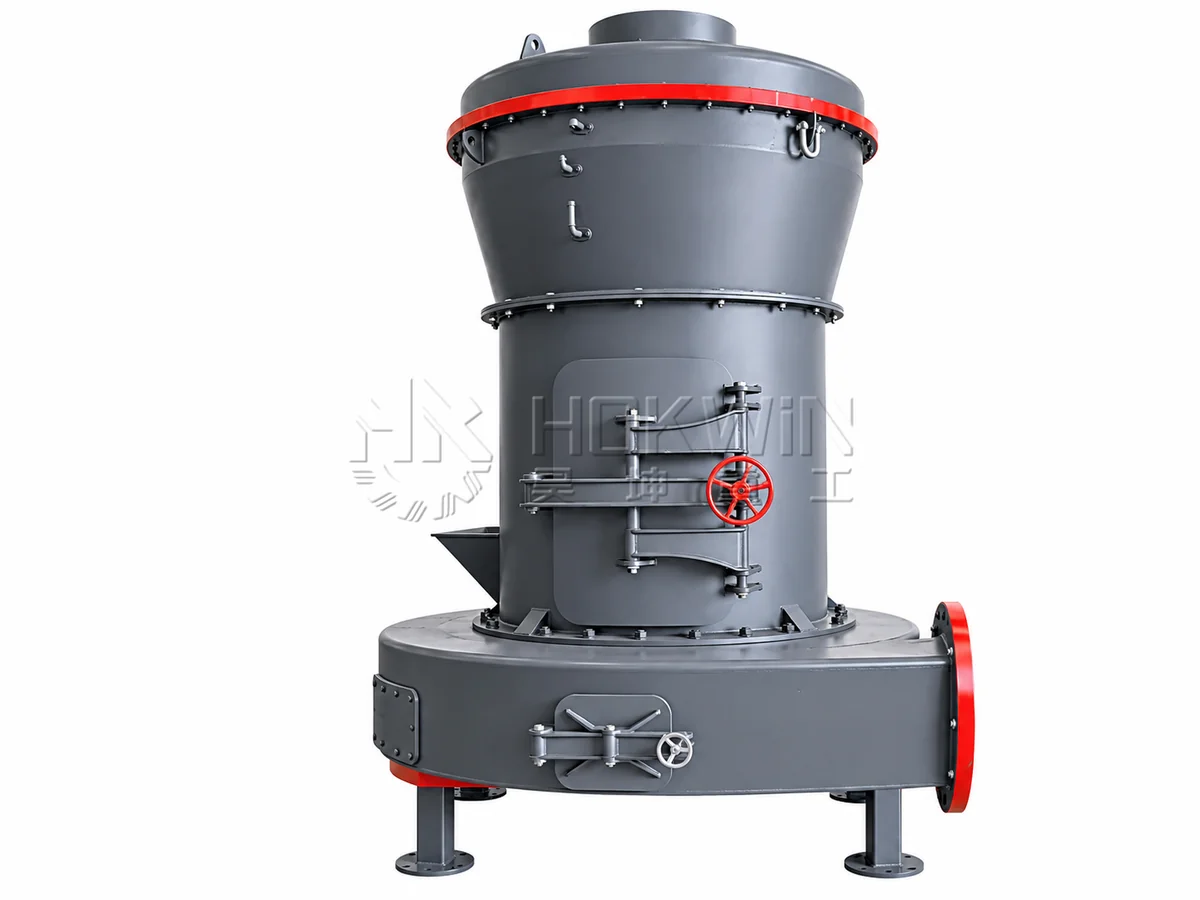
The Raymond mill grinds crushed mineral materials into fine, uniform powders. It is suitable for processing limestone, dolomite, gypsum, bentonite, and other minerals with suitable hardness and moisture content.
Key Features:
Disc Granulator
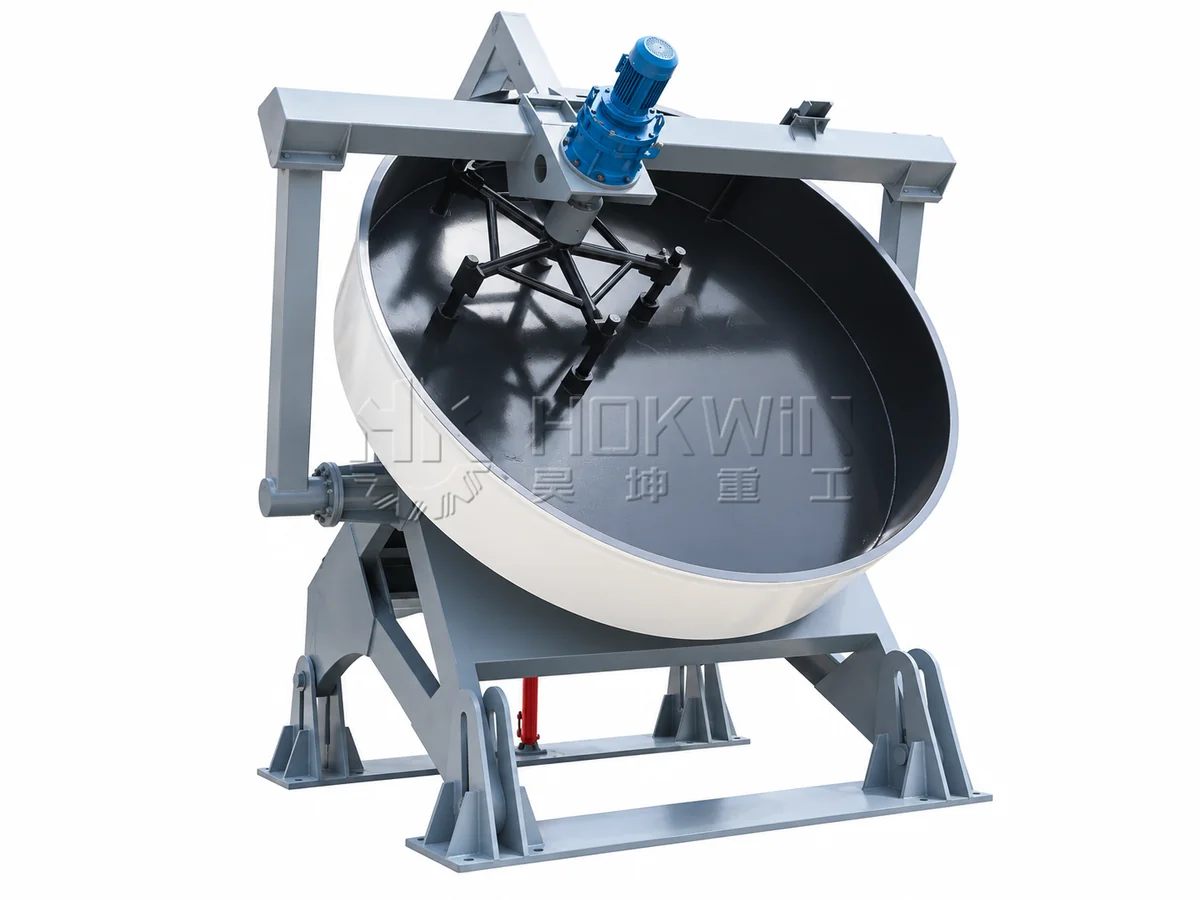
The disc granulator converts prepared mineral powders into rounded granules through rolling and controlled moisture or binder addition. It is suitable for mineral materials with appropriate granulation properties.
Key Features:
Customer Cases
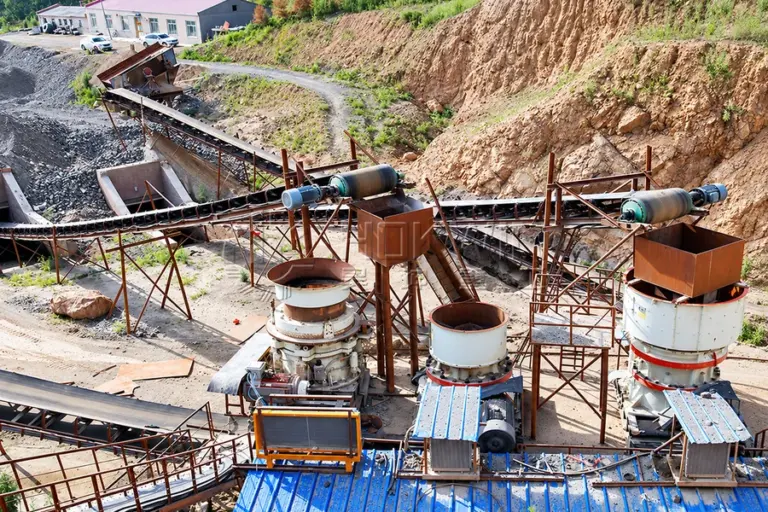
- Country: Morocco
- Capacity: 5 T/H
- Finished Product: Phosphate Rock Granules
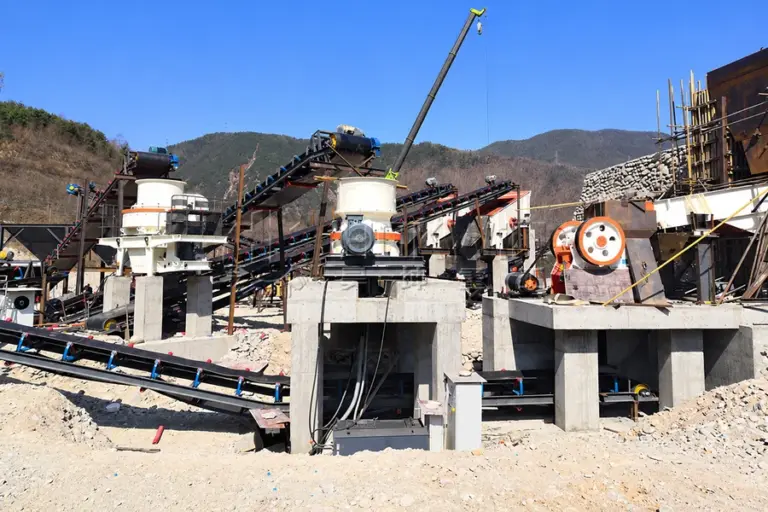
- Country: Oman
- Capacity: 6-7 T/H
- Finished Product: Gypsum Granules
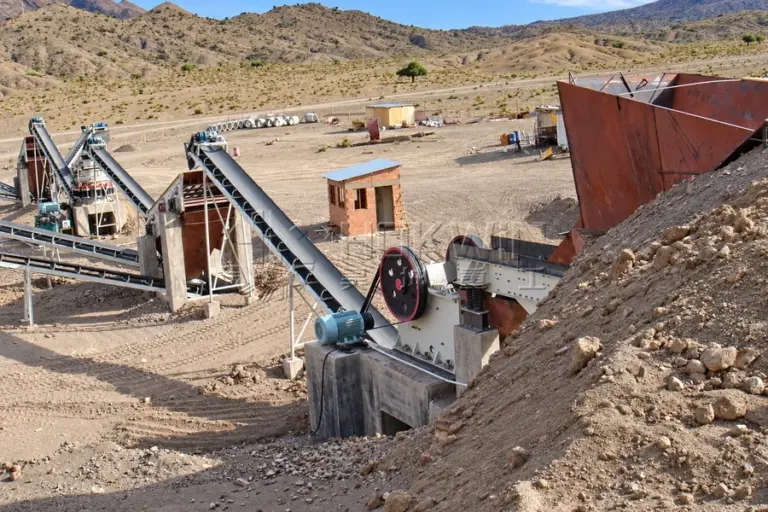
- Country: Egypt
- Capacity: 6 T/H
- Finished Product: Calcium Carbonate Powder
FAQ
Yes. A customized production line can include both powder processing and granulation sections, allowing mineral powder to be collected as a finished product or sent for further granulation.
Both options are available. Single-mineral production focuses on crushing and grinding, while multi-mineral formulations may require additional batching and mixing equipment.
Yes. We can customize the production process according to raw material properties, required capacity, powder fineness, granule size, and factory conditions.
Many conventional Raymond mill configurations produce powder in approximately the 80–400 mesh range. The actual fineness depends on the mill model, mineral properties, and classifier configuration.
The line can produce calcium carbonate powder, bentonite powder, gypsum powder, dolomite powder, limestone granules, mineral fertilizer granules, and other mineral products.
Yes. We provide equipment installation guidance, technical support, operator training, and after-sales services to support production line operation and maintenance.