

Information
- Capacity: 1–30 T/H
- Voltage: 220v/380v/440v(50Hz/60Hz)/Customized
- Granule Shape: Round / Pillow / Customized
- Finished Granule Size: 2-10mm
- Raw Materials: Nitrogen, Phosphorus & Potassium Sources
- Material: Carbon Steel / Alloy / Stainless Steel
Introduction
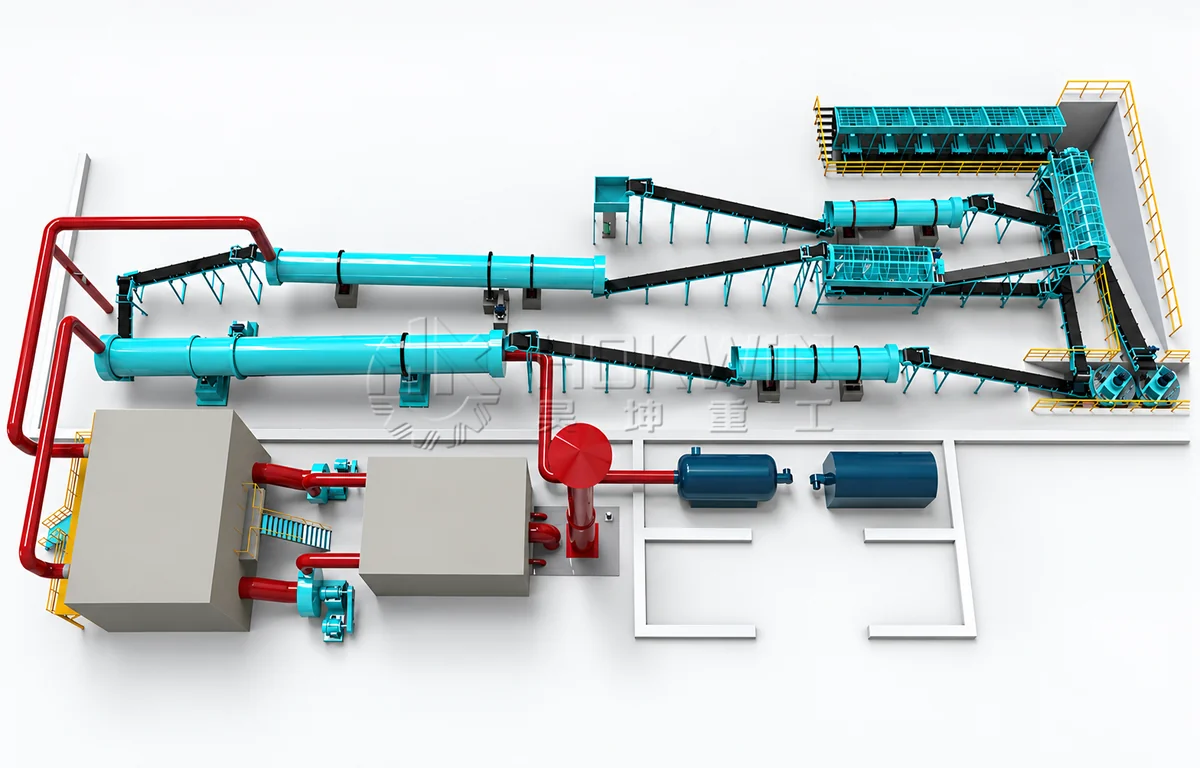
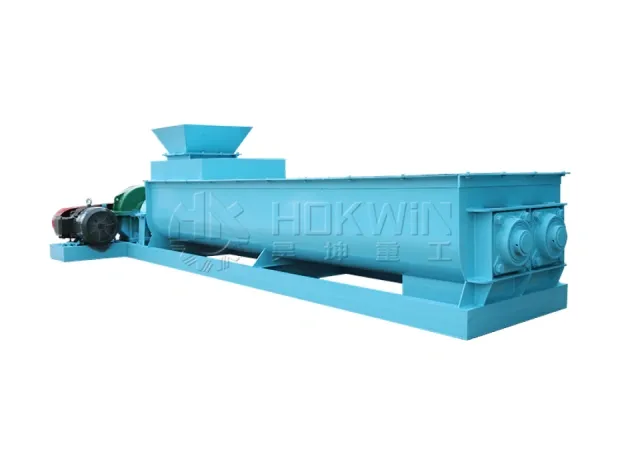
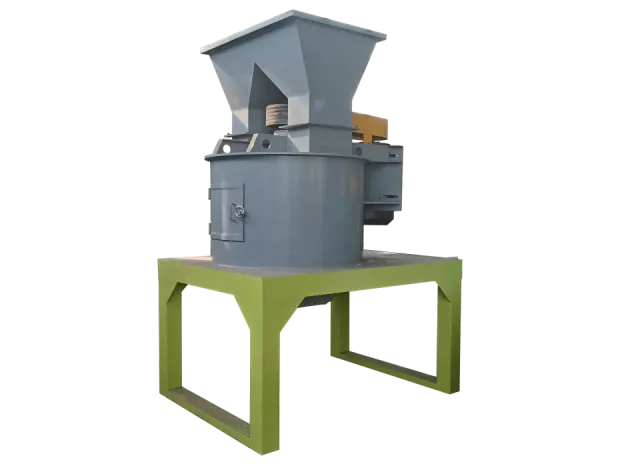
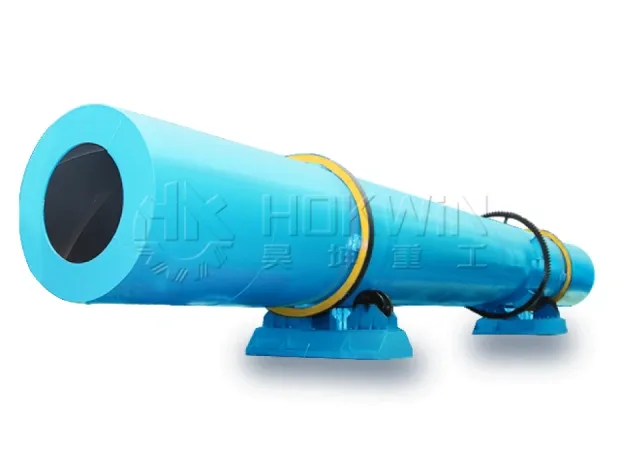
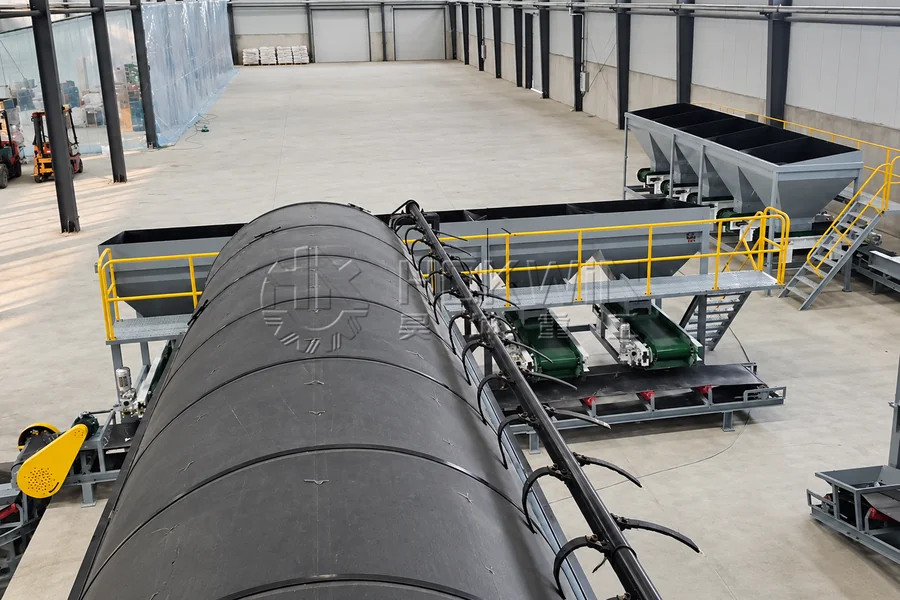
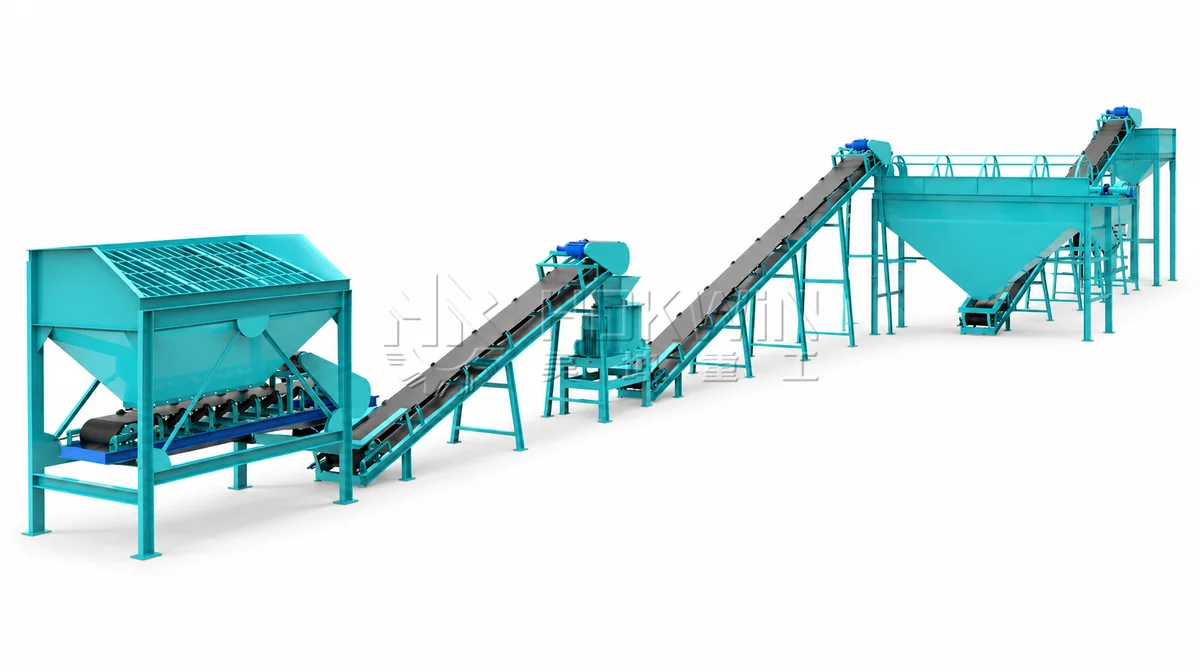
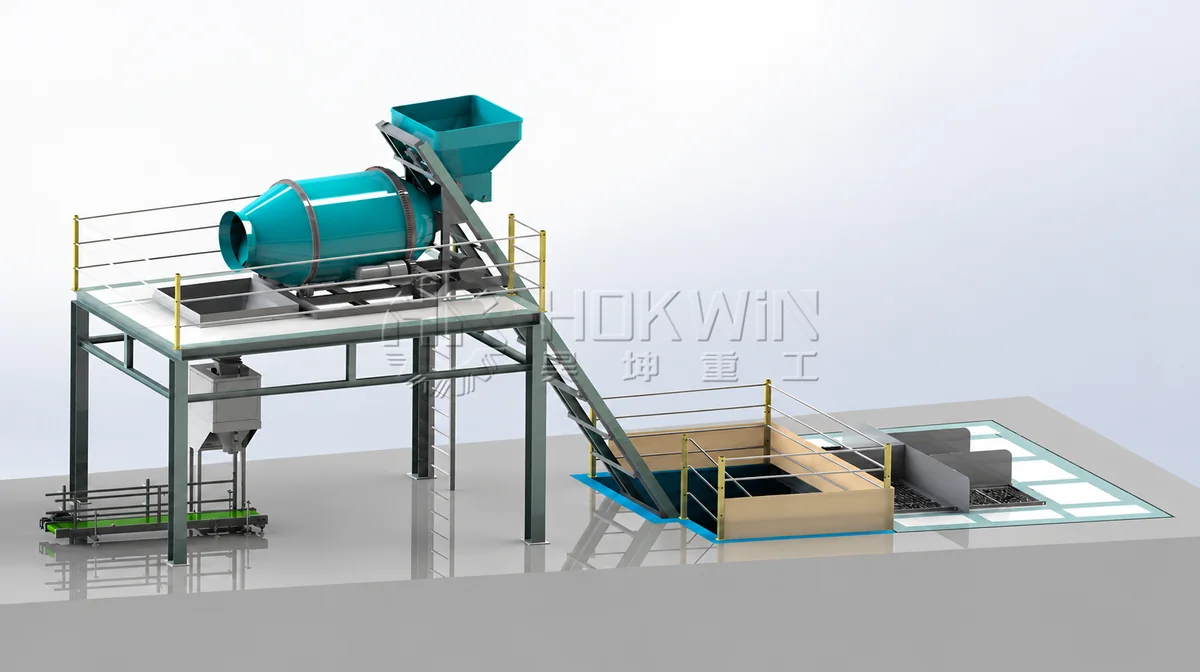
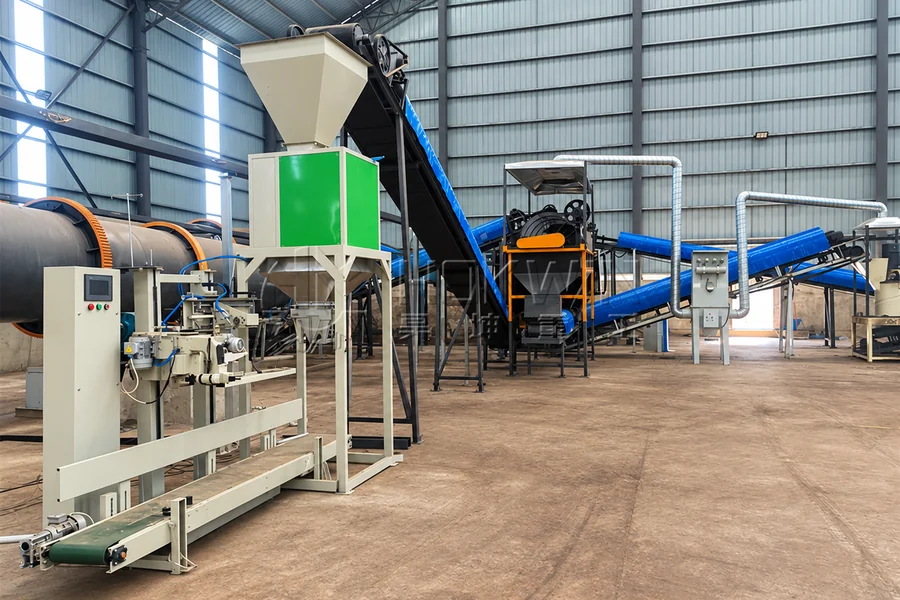
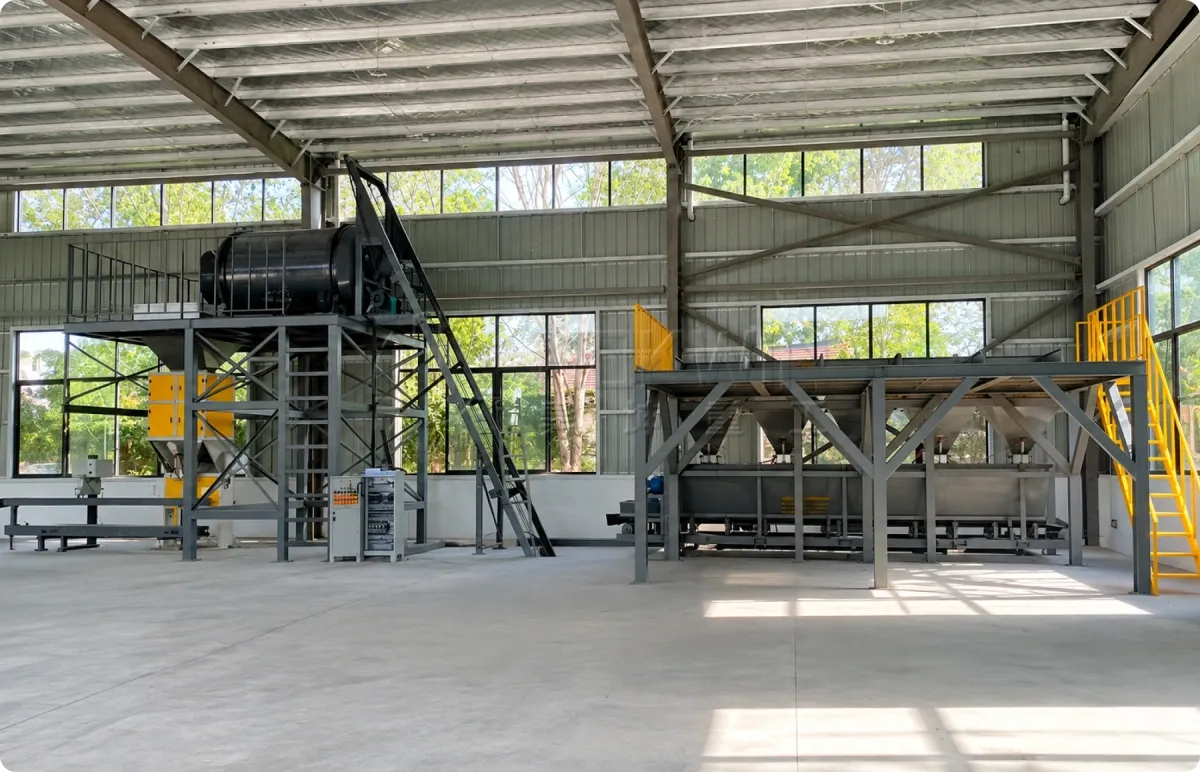
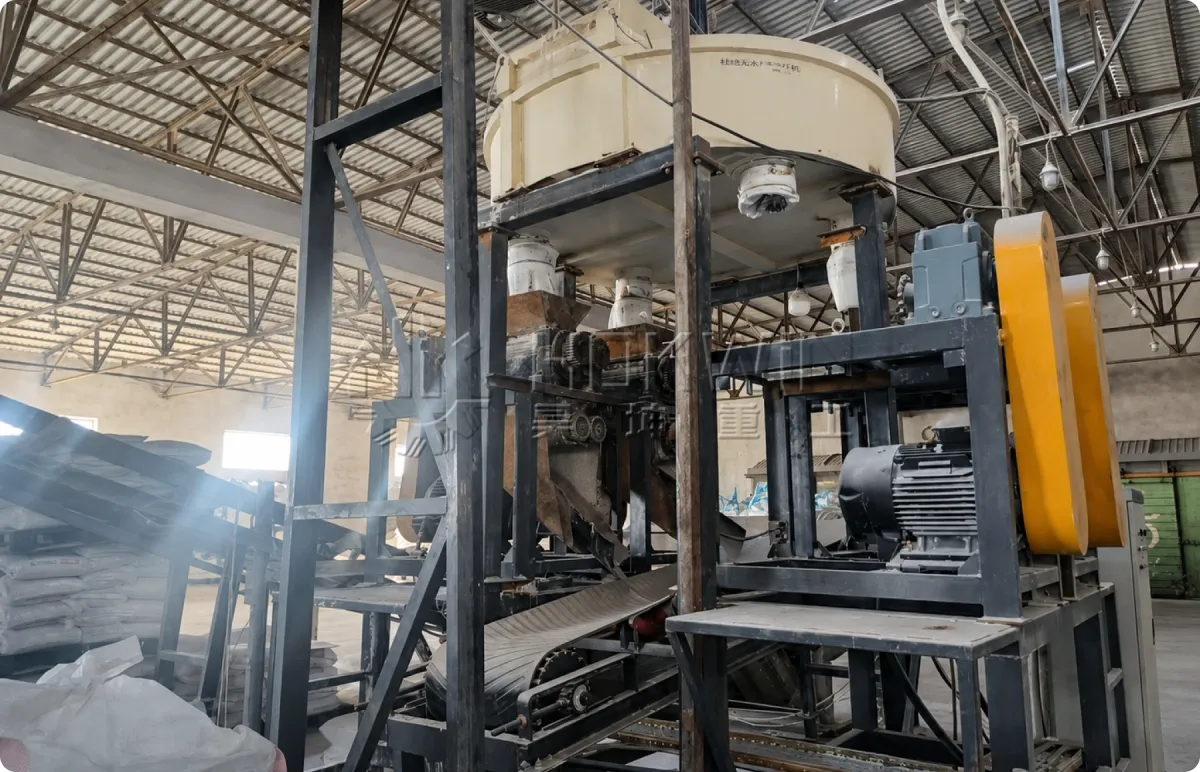
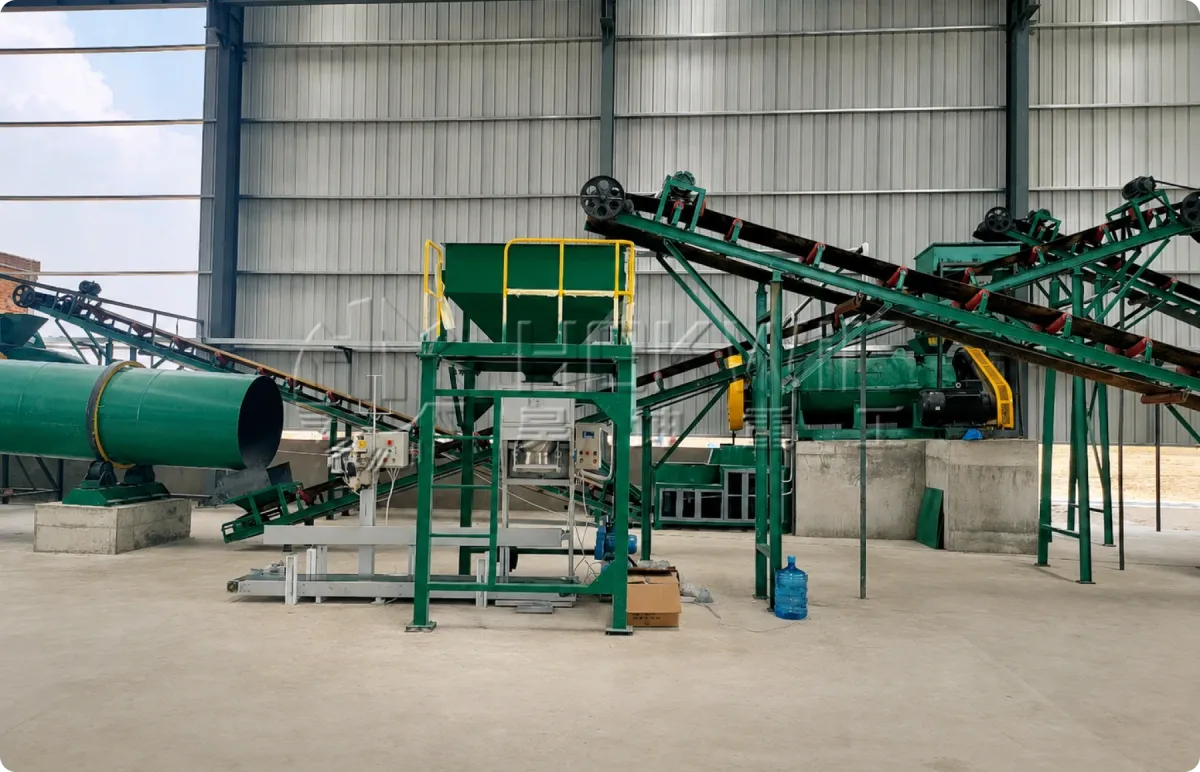
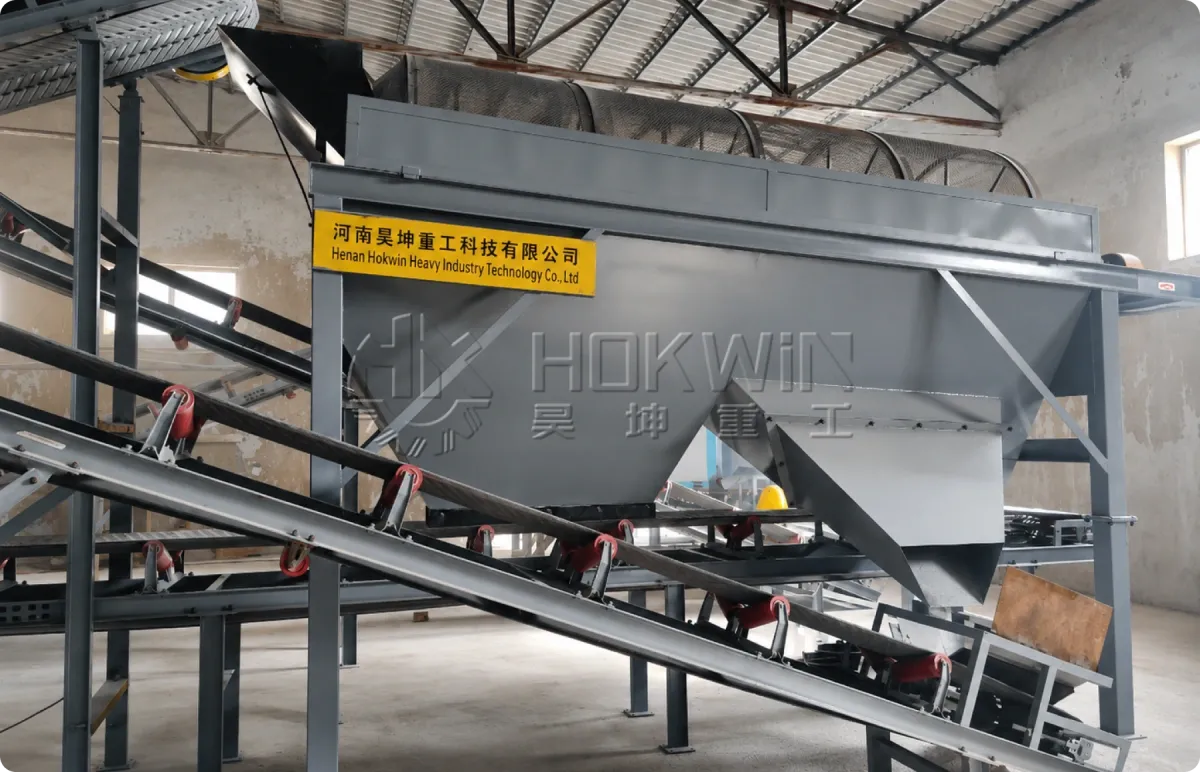
The NPK compound fertilizer production line is designed to produce granular fertilizers containing nitrogen, phosphorus, and potassium. It integrates raw material preparation, batching, mixing, granulation, screening, and other processing stages into a complete production system.
Different granulation technologies and equipment configurations are available to meet various fertilizer formulations, production capacities, and plant requirements.
Advantages
Support different NPK fertilizer formulations.
Choose the right granulation process for different materials.
Smooth operation with less manual work.
Designed according to your plant space and requirements.
Suitable Raw Materials
- Urea
- Ammonium Sulfate
- Ammonium Chloride
- Ammonium Nitrate
- Calcium Ammonium Nitrate (CAN)
- Ammonium Sulfate Nitrate (ASN)
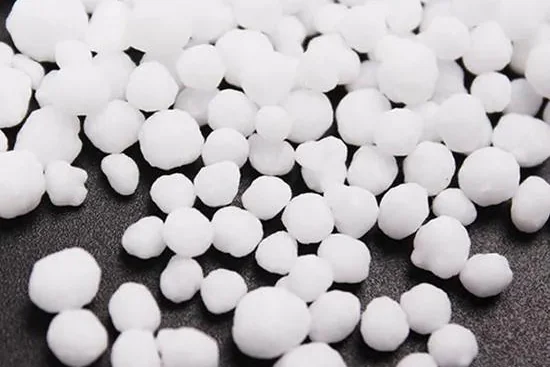
- Monoammonium Phosphate (MAP)
- Diammonium Phosphate (DAP)
- Single Superphosphate (SSP)
- Triple Superphosphate (TSP)
- Monocalcium Phosphate (MCP)
- Dicalcium Phosphate (DCP)
- Phosphate Rock Powder
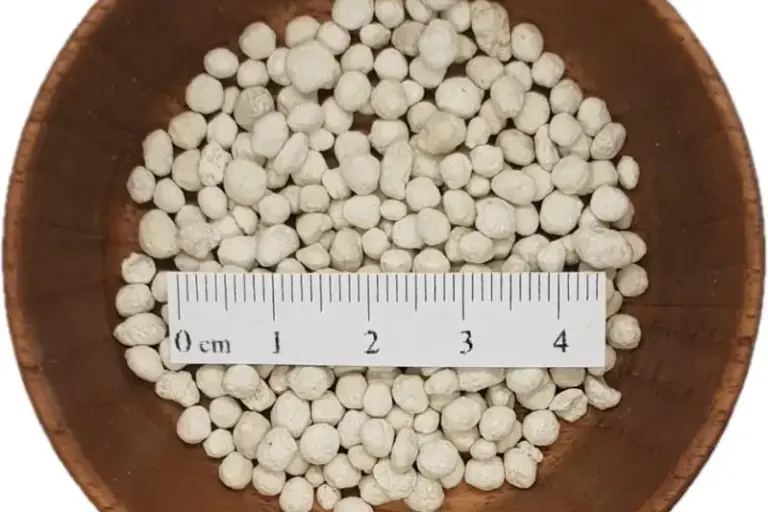
- Potassium Chloride (MOP)
- Potassium Sulfate (SOP)
- Potassium Nitrate
- Potassium Magnesium Sulfate
- Monopotassium Phosphate (MKP)
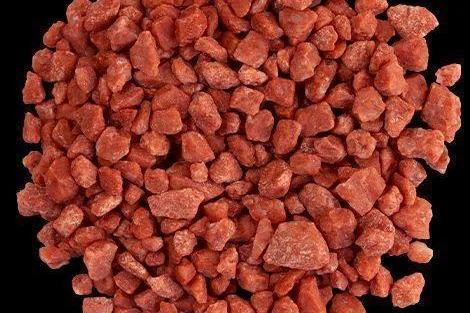
- Magnesium Sulfate
- Magnesium Oxide
- Kieserite
- Calcium Sulfate
- Calcium Carbonate
- Dolomite
- Elemental Sulfur
- Other Calcium, Magnesium & Sulfur Sources
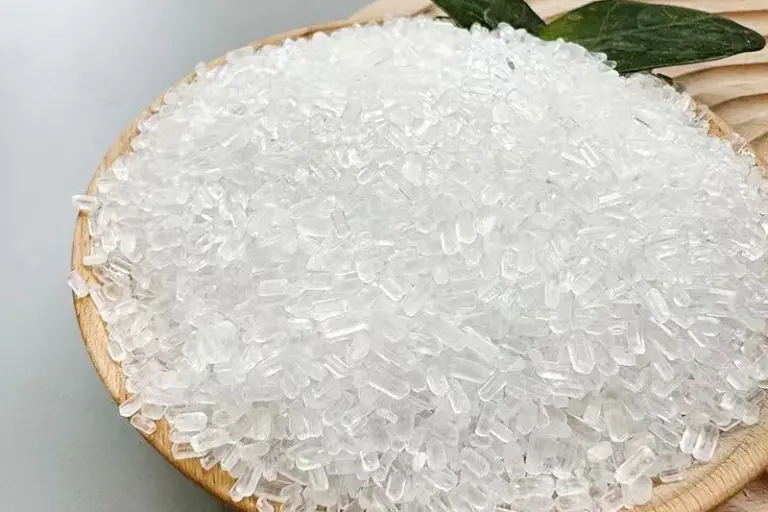
- Zinc Sulfate
- Zinc Oxide
- Borax
- Boric Acid
- Ferrous Sulfate
- Manganese Sulfate
- Copper Sulfate
- Sodium Molybdate
- Ammonium Molybdate
- Chelated Micronutrients
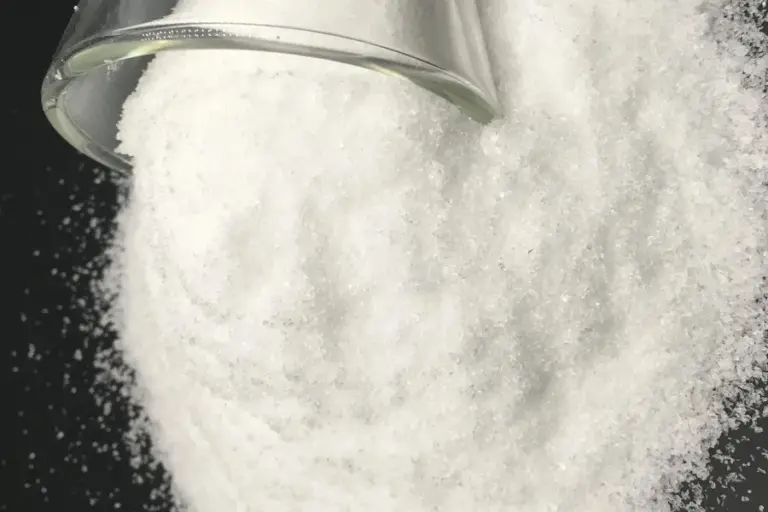
- Bentonite
- Kaolin
- Zeolite
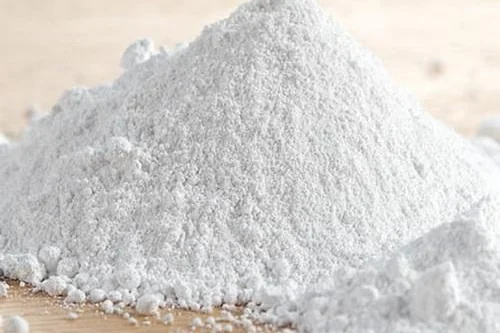
- Talc Powder
- Limestone Powder
- Dolomite Powder
- Other Suitable Mineral Fillers
- Lignosulfonate Binders
- Starch-Based Binders
- Molasses
- Humic Acid
- Fulvic Acid
- Potassium Humate
- Anti-Caking Agents
- Coating Agents
- Granulation Aids
Finished Product Options
Our NPK fertilizer production line solutions can produce different granule shapes and sizes according to the selected granulation technology.
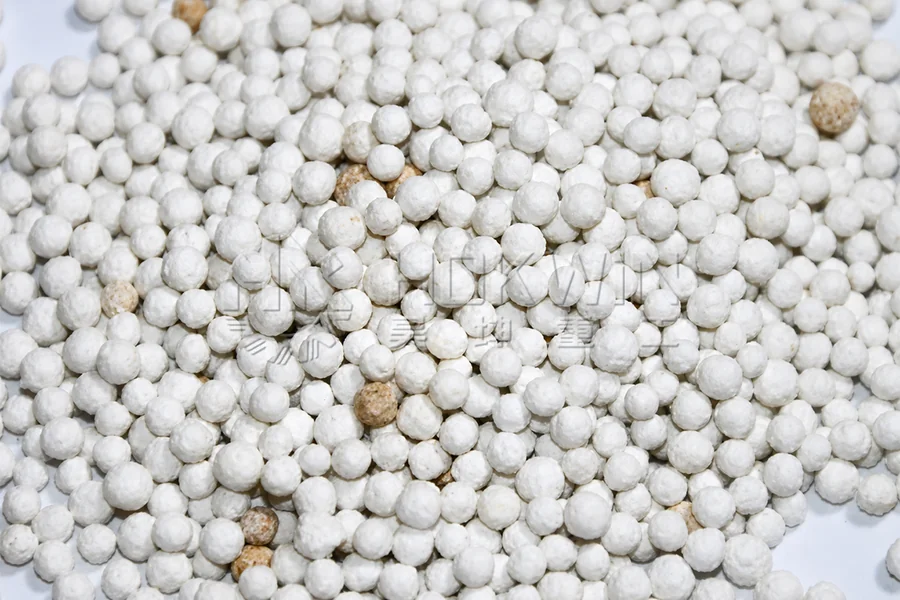
Rotary Drum Granulation
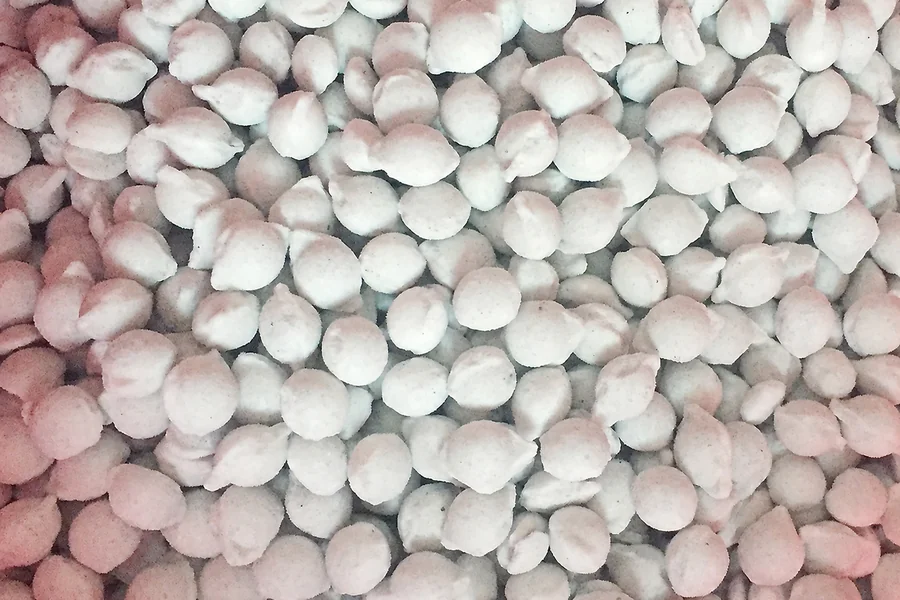
Roller Press Granulation
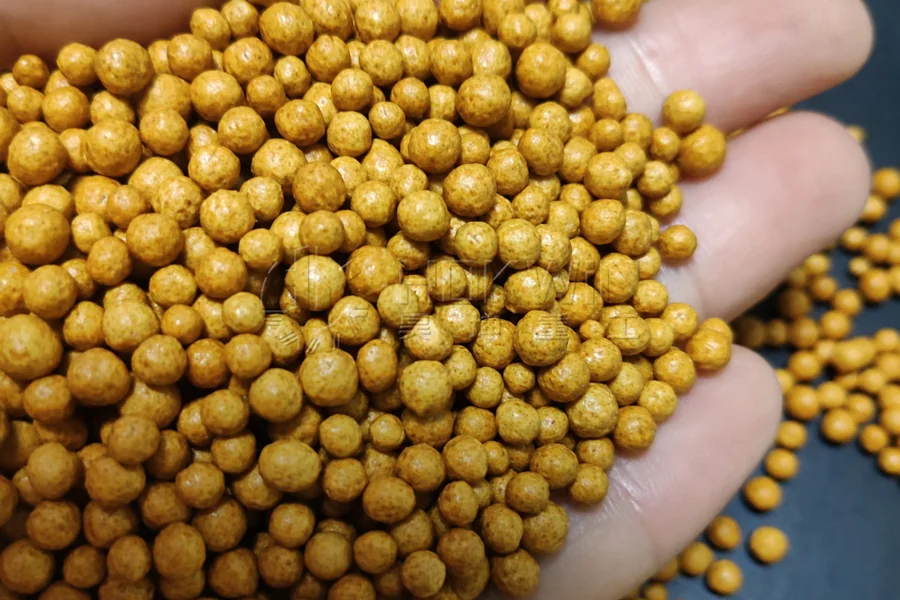
Disc Granulation
Finished Product Specifications:
- Granule Size: 2-10mm
- Granule Shape: According to Granulation Technology
- Nutrient Formulation: Customized
- Moisture Content: According to Product Requirements
- Granule Strength: According to Formulation and Process
Granulation Technology Options
Choose the Right Granulation Process
Different NPK fertilizer formulations and raw material characteristics require different granulation technologies. We provide flexible solutions to meet various production requirements.
Rotary Drum Granulation
Wet Granulation for Continuous Fertilizer Production
Rotary drum granulation uses material rolling and agglomeration to form fertilizer granules with the addition of suitable liquid and process conditions.
Key Features:
Finished Granule Shape: Round
Double Roller Press Granulation
Dry Granulation Without a Conventional Drying Process
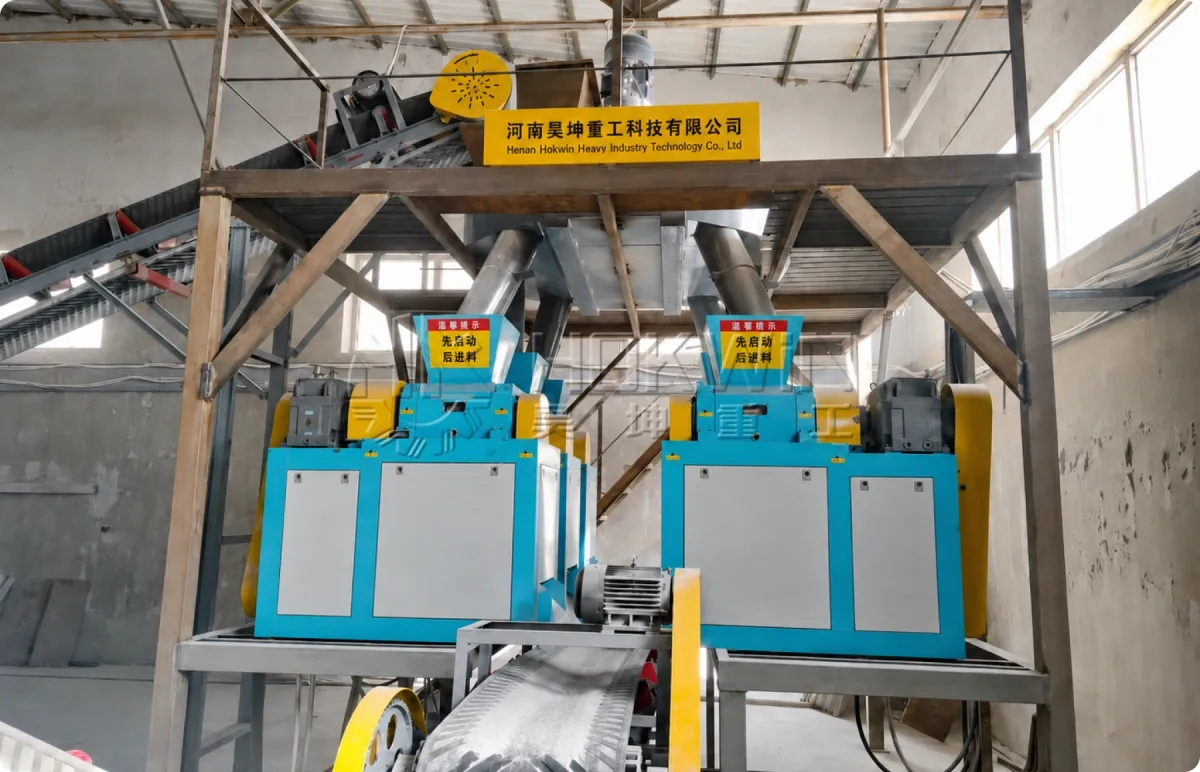
Double roller press granulation compresses suitable low-moisture fertilizer powders between two rotating rollers to form compacted granules.
Key Features:
Finished Granule Shapes: Pillow, Oval, Irregular, and Customized Shapes
Disc Granulation
Flexible Granulation for Different Production Requirements
Disc granulation uses a rotating inclined pan to form round fertilizer granules through controlled moisture addition and material rolling.
Key Features:
Finished Granule Shape: Round
Production Process Flow
Rotary Drum Granulation Process
Process Description:
Raw materials are prepared, weighed, and mixed according to the required fertilizer formulation. The mixed materials enter the rotary drum granulator, where fertilizer granules are formed under controlled moisture and operating conditions.
The granules are then dried, cooled, and screened. Qualified granules proceed to optional coating and final packaging, while undersized and oversized materials are processed and recycled according to the production line design.
Double Roller Press Granulation Process
Process Description:
Suitable low-moisture fertilizer raw materials are prepared and mixed according to the required formulation. The mixed materials are compressed through the roller press granulator to form compacted fertilizer products.
The compacted material is then crushed and screened to obtain the required granule size. Unqualified materials can be recycled into the production process.
The dry granulation process generally eliminates the need for conventional drying equipment when raw material conditions meet process requirements.
Customer Cases
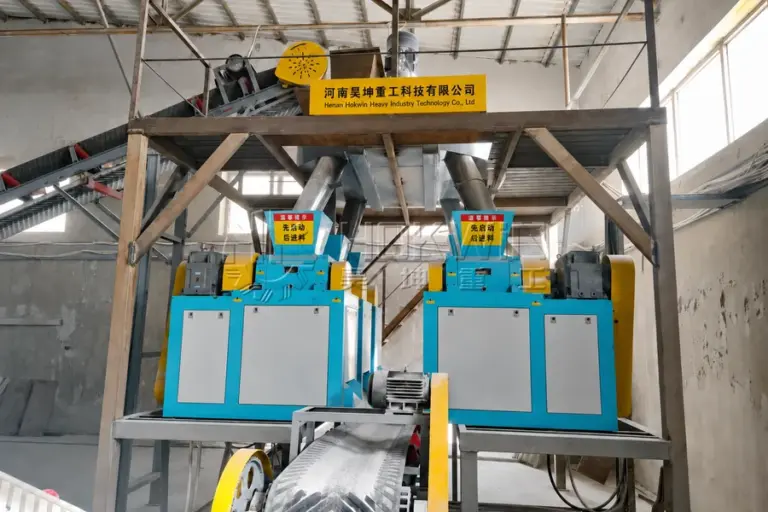
- Country: Uzbekistan
- Capacity: 6 T/H
- Granulation Process: Dry Granulation
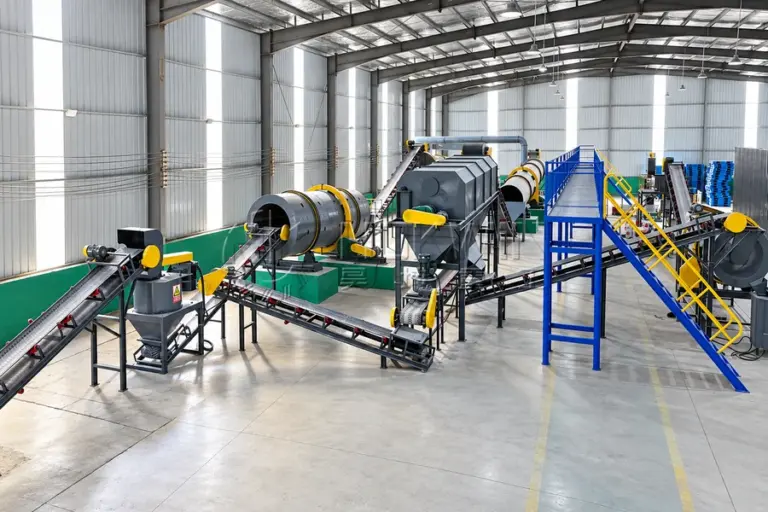
- Country: Vietnam
- Capacity: 10 T/H
- Granulation Process: Wet Granulation
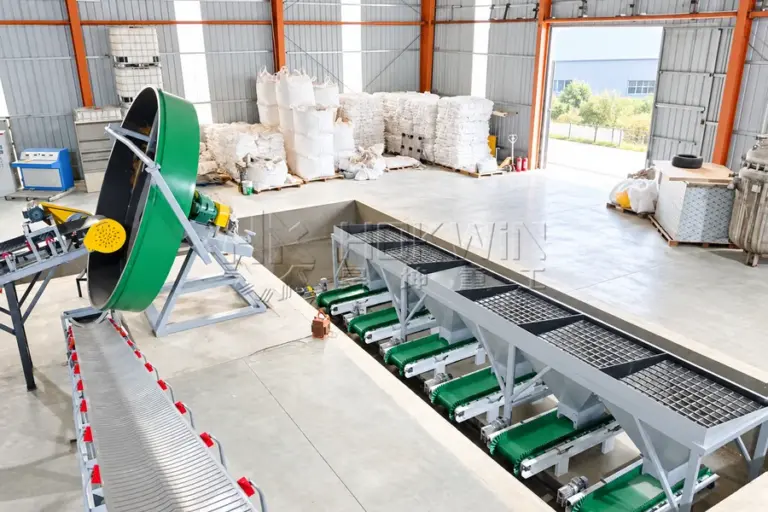
- Country: Colombia
- Capacity: 5 T/H
- Granulation Process: Wet Granulation
FAQ
Common raw materials include urea, ammonium sulfate, ammonium chloride, MAP, DAP, potassium chloride, and potassium sulfate. The selection depends on the required formulation and granulation process.
Yes. Different NPK formulations can be produced by adjusting the raw material proportions, provided the selected materials and production process are suitable.
We offer rotary drum granulation, double roller press granulation, and disc granulation solutions. The appropriate technology depends on your raw materials and finished product requirements.
Dry granulation uses mechanical pressure to compact suitable low-moisture materials, while wet granulation generally uses controlled moisture addition to form granules. Their equipment configurations and operating requirements are different.
Round granules can be produced using rotary drum or disc granulation. Double roller press granulation can produce pillow-shaped and other customized shapes using different roller molds.
Yes. We can provide customized equipment arrangements and plant layout planning based on your factory dimensions and available installation space.